
Corporate cybersecurity teams are on high alert this week following reports of active exploitation targeting a critical authentication bypass flaw in Palo Alto Networks’ GlobalProtect gateway. The vulnerability, which allows unauthorized actors to circumvent security protocols, has prompted an urgent call for administrators to apply security patches immediately. As remote work infrastructure remains a primary target for threat actors, this incident highlights the persistent risks associated with perimeter security devices in modern enterprise environments.
The Palo Alto Networks Product Security Assurance team has issued formal guidance regarding the vulnerability, which is currently being tracked in industry databases. While the specific nomenclature of CVE-2026-0257 suggests an emerging threat, the industry standard for addressing such flaws remains consistent: rapid identification, isolation, and patching of affected PAN-OS software versions. For global organizations, the Cybersecurity and Infrastructure Security Agency (CISA) frequently emphasizes that edge devices like VPN gateways are high-value targets for initial network access.
Understanding the GlobalProtect Authentication Bypass
At its core, an authentication bypass vulnerability functions by allowing an attacker to interact with a system as if they were a legitimate, authenticated user. In the context of GlobalProtect, which serves as a secure portal for employees accessing internal corporate resources, such a flaw effectively dismantles the “front door” of the network. When exploited, this can lead to unauthorized access to sensitive data, potential lateral movement within a network, or the deployment of secondary malware payloads.
The technical nature of this exploit typically involves manipulating the way the gateway processes incoming requests. By crafting specific packets that bypass the standard verification checks, attackers can trick the PAN-OS software into granting a session token. Security researchers often warn that once a proof-of-concept for such a vulnerability is published or circulated in underground forums, the window of time between discovery and widespread automated exploitation shrinks significantly. What we have is why immediate verification of your current firmware version is the most critical step for IT administrators today.
The Threat Landscape for Enterprise Gateways
Enterprise VPNs have become the “crown jewels” for cyber-espionage groups and ransomware syndicates alike. Because these devices are intentionally exposed to the public internet to facilitate remote access, they are subject to constant scanning by automated bots. When a vulnerability like this is disclosed, the time to patch is measured in hours, not days.
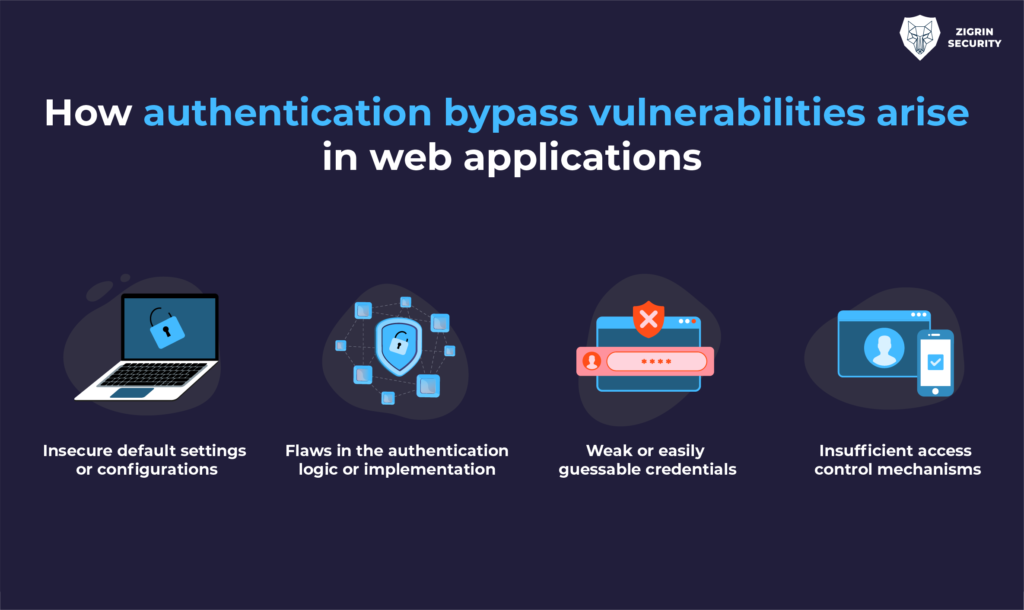
According to reports from cybersecurity analysts, the current wave of activity appears to be focused on reconnaissance and initial entry. Organizations that fail to maintain rigorous NIST-aligned patch management cycles are at the highest risk. The reality of the current threat environment is that attackers are increasingly leveraging automated scripts to identify unpatched gateways, meaning that human speed is often the only defense against automated intrusion attempts.
Recommended Mitigation Steps for IT Administrators
For those managing Palo Alto Networks infrastructure, the following steps are essential to ensure your network remains resilient against this active threat:
- Verify Versioning: Consult the official Palo Alto Networks Security Advisories portal to confirm if your specific PAN-OS version is listed as vulnerable.
- Apply Hotfixes: If a patch is available, prioritize its deployment during your next maintenance window, or perform an emergency deployment if your organization falls within a high-risk sector.
- Restrict Access: Temporarily limit administrative access to the GlobalProtect portal by IP address if possible, ensuring that only known, trusted ranges can reach the gateway interface.
- Enable Enhanced Logging: Ensure that your Security Information and Event Management (SIEM) system is configured to alert on anomalous authentication patterns or multiple failed login attempts originating from unexpected geographic locations.
What Happens Next?
As the situation continues to evolve, the cybersecurity community expects further technical analysis to emerge regarding the specific mechanics of this bypass. Palo Alto Networks is expected to provide ongoing updates through their official security portal as they work with researchers to identify the full scope of the impact. For many organizations, this serves as a sober reminder of the necessity of a “Zero Trust” architecture, where reliance on a single perimeter gateway is supplemented by multi-factor authentication (MFA) and granular, identity-based access controls.

We will continue to monitor official bulletins and industry-wide security reports for any new developments regarding this exploit. If you are an IT administrator or security lead, keep a close watch on the CISA Known Exploited Vulnerabilities Catalog, as this is the primary indicator of when a vulnerability has transitioned from a theoretical risk to a widespread operational hazard. We encourage our readers to share their experiences or questions in the comments section below, and to ensure your peers in the industry are aware of these critical updates.