
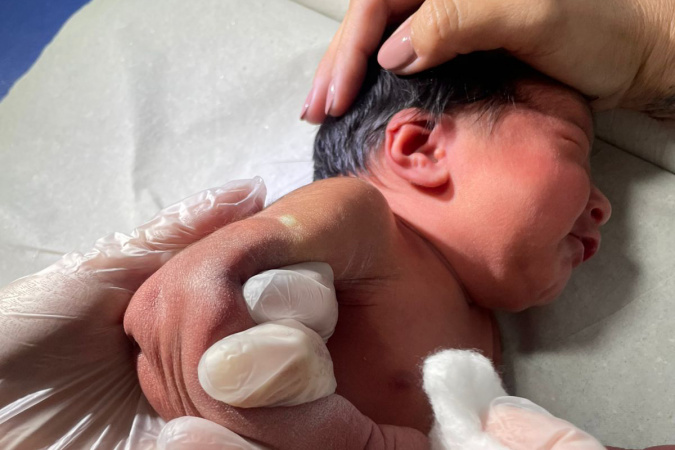
The state of Paraná, Brazil, has significantly expanded its strategy to protect newborns from tuberculosis by integrating the Bacilo de Calmette-Guérin (BCG) vaccine directly into the maternity care process. Currently, 39 units—comprising public, philanthropic, and university hospitals—have adopted this early vaccination schedule to ensure infants are immunized before leaving the hospital according to the government of Paraná.
Historically, the BCG vaccine was primarily administered at Basic Health Units (UBS), which required parents to transport their newborns to a clinic within the first few days of life. By shifting the point of care to the maternity ward, the Secretaria de Estado da Saúde (Sesa) is effectively bringing the vaccine to the baby, removing logistical barriers for families and reducing the risk of missed doses during the critical first window of life.
This initiative is part of a broader effort to combat infant mortality and increase overall vaccine coverage. César Neves, the Secretary of State for Health, has emphasized that applying the vaccine in the maternity is one of the most effective strategies available, providing families with peace of mind and making severe cases of tuberculosis increasingly rare as stated by the Secretary.
The Shift to Maternity-Based Immunization
The transition from clinic-based to maternity-based vaccination represents a fundamental change in how the state manages early childhood protection. Previously, a limited number of facilities handled early immunization; for instance, data from 2024 indicated that only 13 maternities—including five high-risk units—were administering the vaccine before the 30-day mark per G1 reports.
By expanding this to 39 units, the state aims to bridge the gap in vaccine coverage. In the first half of 2024, Paraná reported that 87% of the target population had been immunized, falling slightly short of the 90% minimum coverage recommended by the World Health Organization (WHO) as reported by G1. The current expansion is specifically designed to push these numbers toward and beyond the WHO target.
The implementation includes a variety of healthcare settings to ensure wide reach, from university hospitals like the Hospital Universitário (HU) in Maringá to specialized facilities such as the Hospital do Trabalhador in Curitiba via Bem Paraná. This comprehensive network ensures that whether a birth is routine or high-risk, the infant receives the necessary protection immediately.
Why Early Vaccination is Critical for Newborns
Tuberculosis remains one of the most lethal infectious diseases globally. For newborns, the stakes are particularly high. The BCG vaccine is specifically designed to protect against the most severe forms of the disease, which can be fatal in infants.
Medical guidance suggests that for babies weighing more than 2kg, the vaccine should preferably be administered within the first 12 hours of life according to Sesa. This rapid immunization is the only known way to prevent the bacteria from spreading through the newborn’s body or attacking the central nervous system, which can lead to catastrophic health outcomes.
The disease is caused by the Koch’s bacillus and is transmitted through respiratory droplets. The primary symptom is a persistent cough, but in neonates, the progression can be swift and severe if they are not immunized as detailed by G1. By securing immunization within the first hours of life, the state is effectively creating a shield against these severe complications before the infant even returns home.
Addressing the Tuberculosis Burden in Brazil
The urgency of this expansion is underscored by the prevalence of tuberculosis in the region. Brazil accounts for approximately one-third of all tuberculosis cases in the Americas per WHO data cited by G1. This makes aggressive prevention strategies a public health priority.
In Paraná, the incidence of the disease has remained a point of concern. Data indicates that in a single year, 2,704 new cases of tuberculosis were notified in the Sistema de Informação de Agravos de Notificação (Sinan), representing an incidence of 23.6 cases for every 100,000 inhabitants according to reports from Bem Paraná.
To manage this burden, the Brazilian government provides treatment for the disease free of charge through the Sistema Único de Saúde (SUS). Still, because treatment is reactive, the Sesa strategy focuses on the proactive side of healthcare—prevention. Increasing the coverage of the BCG vaccine in the earliest stages of life is viewed as the most sustainable way to lower the overall incidence of the disease across the state.
Understanding the BCG Vaccine and the “Scar”
For many parents, the most recognizable aspect of the BCG vaccine is the small scar it often leaves on the upper arm, colloquially known as the “marquinha.” It is crucial for caregivers to understand that this mark is a natural reaction of the body to the vaccine.
Medical professionals emphasize that the absence of a scar does not indicate the vaccine failed. While the scar is common, there are rare cases where it does not form, yet the infant remains fully immunized as clarified by the government of Paraná. In such instances, there is no medical demand to re-apply the vaccine.
Key Takeaways for Parents and Caregivers
- Timing: The vaccine is ideally given within the first 12 hours of life for babies over 2kg.
- Location: Immunization is now available in 39 maternity units across Paraná, reducing the need for immediate trips to a UBS.
- The Scar: A small scar on the arm may form; however, the vaccine is effective even if no scar appears.
- Protection: The BCG vaccine specifically targets the most severe forms of tuberculosis, preventing the bacteria from reaching the central nervous system.
- Access: Vaccination and subsequent tuberculosis treatments are provided free of charge via the SUS.
Frequently Asked Questions
Does my baby need to go to a clinic for the BCG vaccine?
If your baby is born in one of the 39 participating maternities in Paraná, they can be vaccinated before discharge. If not, the vaccine remains available at Basic Health Units (UBS).
What happens if the vaccine doesn’t leave a scar?
The absence of a scar does not indicate a lack of immunity. In the rare cases where no mark forms, the baby is still protected, and re-vaccination is not necessary.
Why is the BCG vaccine given so early?
Early administration is critical to prevent the bacteria from spreading through the body or affecting the central nervous system, which can be fatal for newborns.
Who is managing this program in Paraná?
The program is directed and oriented by the Secretaria de Estado da Saúde (Sesa) of Paraná.
The state of Paraná continues to monitor vaccine coverage rates to ensure they meet or exceed the 90% threshold recommended by the World Health Organization. Further updates on the number of participating maternity units and coverage statistics are typically released through the Secretaria de Estado da Saúde (Sesa) official channels.
Do you have questions about newborn immunization or public health strategies in Brazil? Share your thoughts in the comments below or share this article with other parents.