The Arc de Triomphe Incident: Understanding Desecration, Justice, and Respect for War Memorials
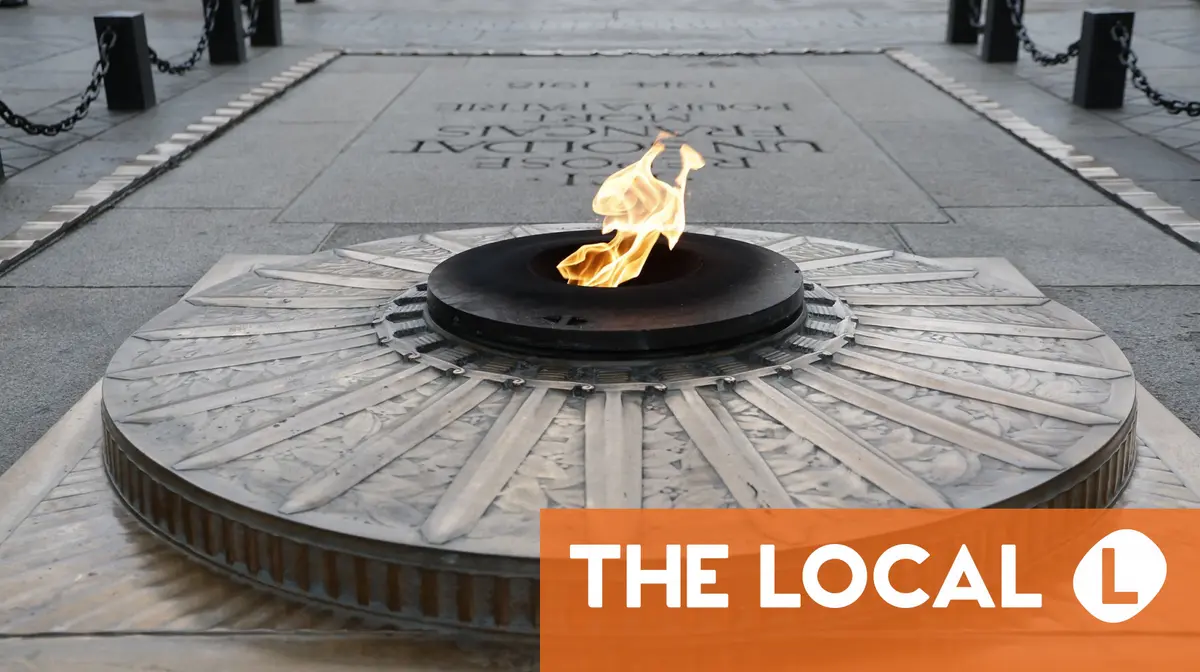
The image was shocking: a man casually lighting a cigarette from the eternal flame at the Tomb of the Unknown Soldier beneath the Arc de Triomphe in Paris.This act, captured on video and rapidly circulating across social media, sparked outrage and prompted swift legal action. But beyond the immediate condemnation, this incident raises crucial questions about respect for memorials, the legal ramifications of desecration, and the underlying factors that might contribute to such behavior.This article delves into the details of the recent event, explores the past meaning of the Tomb of the Unknown Soldier, examines the legal consequences of damaging or disrespecting war monuments, and offers insights into the broader context of public behavior and societal values.We’ll also address what this means for safeguarding these significant symbols of remembrance.
A Moment of disrespect: What Happened?
on Monday evening, a video surfaced showing a man, later identified as Hakim H., using the eternal flame at the tomb of the Unknown Soldier as a lighter. The act, witnessed by tourists, was quickly shared online, triggering widespread condemnation. Police arrested the 47-year-old construction worker the following day.
Hakim H. admitted to the charges, describing his actions as “the stupidity of the century.” He cited alcohol and medication as contributing factors.The Paris criminal court handed down a three-month suspended sentence, a symbolic one-euro fine, and mandated treatment for addiction.
Understanding Desecration: legal and Historical Context
The act committed by Hakim H. falls under the legal definition of desecration – the deliberate violation or defilement of something considered sacred or worthy of respect. In france, damaging or disrespecting war memorials is a serious offense.
The Tomb of the Unknown Soldier,specifically,holds immense historical and emotional weight. Established in 1920, it honors the unidentified soldiers who died in World War I, representing all those lost in conflict. It’s a place of national mourning and remembrance, and its sanctity is deeply valued by the French people. Similar commemorative sites exist worldwide, each carrying its own unique significance.
According to a 2023 report by the International Council on Monuments and Sites (ICOMOS), vandalism and intentional damage to heritage sites, including war memorials, are on the rise globally, frequently enough fueled by political extremism or social unrest. https://www.icomos.org/
Beyond the Act: Exploring Contributing Factors
While legal consequences are essential, it’s also important to consider the factors that might lead someone to commit such an act. Hakim H.’s explanation of alcohol and medication use suggests underlying personal struggles.
Moreover, a decline in civic education and a growing disconnect from historical understanding could contribute to a lack of respect for national symbols. Recent studies indicate a concerning trend of historical illiteracy among younger generations, potentially diminishing their understanding of the sacrifices made by those commemorated at these sites.
Protecting Our Shared Heritage: Practical steps
So, what can be done to prevent similar incidents and safeguard these vital historical landmarks?
increased Security: enhanced surveillance and security measures around vulnerable memorials can deter potential acts of vandalism.
Public Education: Promoting civic education and fostering a deeper understanding of history and remembrance are crucial.
Community Involvement: Encouraging local communities to take ownership of and actively participate in the preservation of their local memorials.
Mental Health Support: Expanding access to mental health and substance abuse treatment services