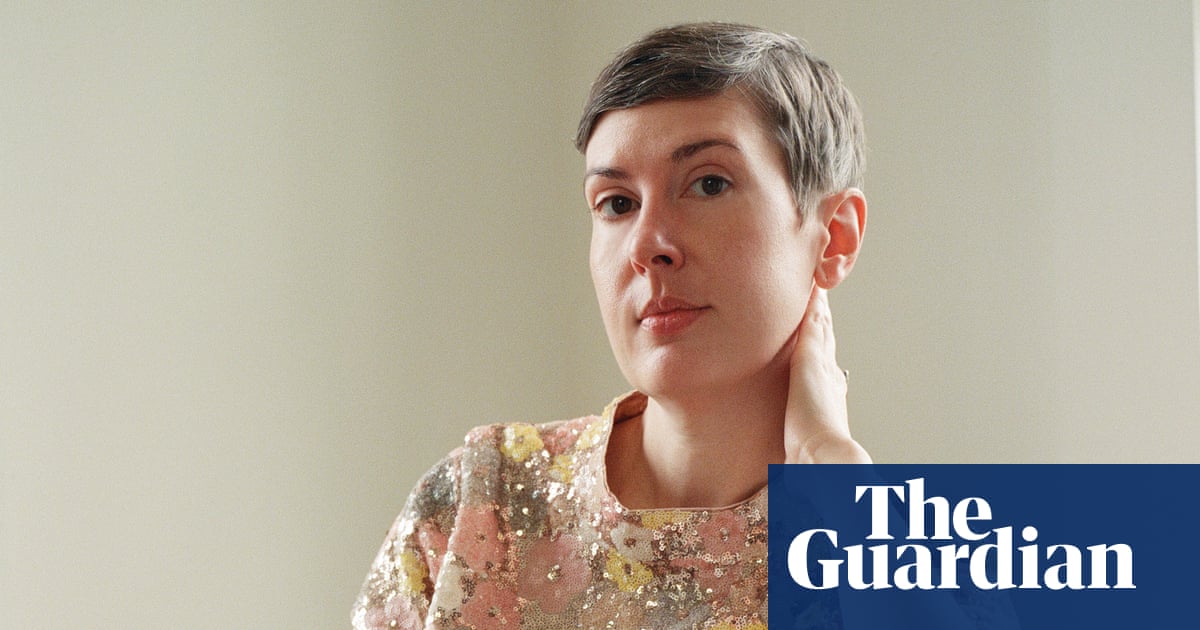
Navigating the Age of Disinformation: A Conversation with Patricia Lockwood
Patricia Lockwood’s writing resonates deeply in our current moment, a time defined by fractured realities and the pervasive influence of misinformation. Her latest book, Will There Ever Be Another you, explores these themes with a unique blend of personal experience and sharp cultural critique. Lockwood doesn’t shy away from confronting the unsettling ways disinformation impacts our relationships, beliefs, and even our grasp on reality itself.
This article delves into Lockwood’s insights, examining her outlook on the forces driving societal division and the role of the writer in an age of “rabbit holes” and manufactured narratives. We’ll explore her thoughts on family dynamics strained by political polarization, the power of propaganda, and the surprisingly unsettling experience of questioning even the most revered cultural icons.
The Erosion of Shared Reality
Lockwood’s personal experiences, notably her observations of her father’s embrace of Trumpism, serve as a poignant entry point into a larger societal phenomenon. She’s moved beyond simply dismissing opposing viewpoints, instead seeking to understand how people fall prey to misinformation.
“I’ve seen so many people disappear down rabbit holes of every variety, believe incredibly strange things,” Lockwood recently shared. This isn’t about individual failings, she argues, but a systemic issue. It’s about recognizing the deliberate manipulation at play.
Consider these key points:
* Propaganda is a powerful force. It’s not simply about presenting false information, but about shaping narratives and exploiting existing vulnerabilities.
* Age can be a factor. Lockwood notes a particular susceptibility among older generations, suggesting a need to understand the historical and social contexts shaping their beliefs.
* The stakes are high. Disinformation isn’t just an intellectual debate; it’s actively driving wedges between families and eroding the foundations of civil discourse.
Lockwood emphasizes the importance of asking critical questions: “who benefits, right? From us being driven from the bosoms of our families as of these nursed hatreds that don’t even make immediate sense?” This focus on identifying the beneficiaries of division is crucial for navigating the complex landscape of modern disinformation.
The Writer as a modern-Day Clown
In a world increasingly defined by absurdity, Lockwood sees a unique role for the writer – that of the “clown.” This isn’t about trivializing serious issues, but about embracing a willingness to state the obvious, to articulate the truths that everyone else is hesitant to acknowledge.
She explains,”I think of the clown as the sacrificial role,the one who’s willing to be a fool and to state the thing that everyone else in the room agrees goes unstated.” this act of vulnerability, she believes, can create space for connection and allow others to feel more pleasant voicing their own concerns.
Essentially, the writer becomes a lightning rod, absorbing the discomfort and allowing for a collective release.It’s a challenging position, but one Lockwood embraces with characteristic wit and honesty.
Questioning Everything – Even Meryl Streep
Lockwood’s journey through a personal health crisis, detailed in her work, led to a period of intense disorientation and questioning. This included a surprisingly unsettling thought: “Maybe Meryl Streep isn’t as good as people are saying?”
this seemingly trivial observation reveals a profound truth about the nature of reality. When our fundamental beliefs are shaken,even the most cherished icons can come under scrutiny. It’s a disorienting experience, but also a potentially liberating one.
Lockwood’s willingness to publicly entertain such heretical thoughts is a testament to her intellectual courage.It’s a reminder that questioning everything – even the things we hold most dear – is essential for maintaining a healthy skepticism and resisting the allure of easy answers.
staying Grounded in a Disorienting World
So, how do you navigate a world where reality itself feels increasingly fluid? Lockwood offers a few key takeaways:
- Cultivate critical thinking skills. Don’t accept information at face value. Question the source, consider the motivations, and look for evidence.
- Embrace discomfort. Challenging yoru own beliefs can be unsettling, but it’s essential for growth and understanding.
- Seek connection. Engage in meaningful conversations with people who hold different viewpoints.