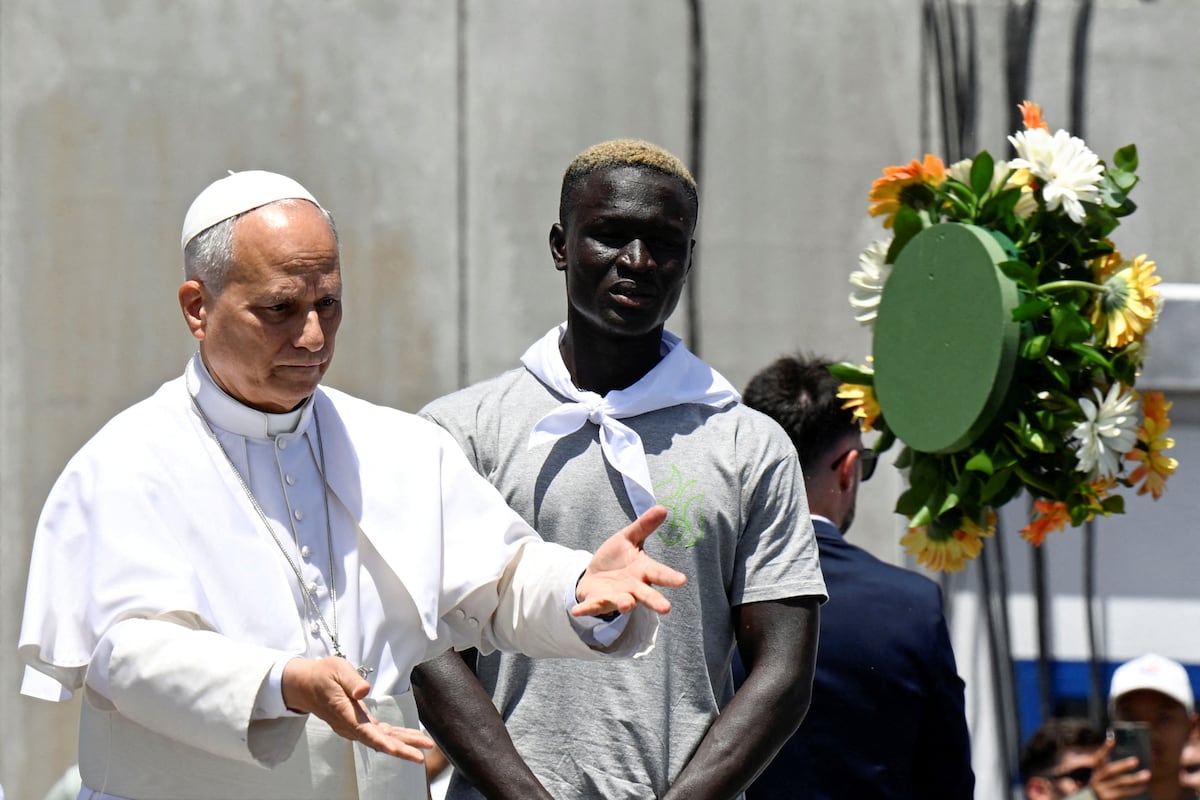
Spanish Prime Minister Pedro Sánchez met with Pope Francis at the Vatican on October 11, 2024, to discuss international cooperation on migration and global peace initiatives, according to official statements from the Spanish government. The meeting took place against a backdrop of significant domestic political pressure in Spain, as the Prime Minister’s administration faces ongoing scrutiny regarding internal scandals and legislative challenges.
The dialogue between the two leaders reportedly centered on the shared objective of managing migration flows through a lens of human dignity. According to the official readout provided by La Moncloa, the discussion emphasized the need for a collaborative European approach to migration, a topic that aligns with the Vatican’s long-standing advocacy for the protection of refugees and migrants. Sánchez expressed gratitude for the Pope’s focus on placing human dignity at the center of political decision-making processes.
The Context of the Diplomatic Engagement
The visit to the Vatican occurred as the Spanish government navigates a complex period of political instability. Prime Minister Sánchez has been contending with parliamentary gridlock and public criticism regarding various corruption allegations involving members of his party and administration. By seeking an audience with Pope Francis—a global moral authority who consistently advocates for humanitarian treatment of migrants—political analysts suggest the administration aimed to reinforce its commitment to progressive values on the international stage.
However, the trip was not without public friction. During his arrival at the Nunciatura in Madrid, which served as a staging point for the diplomatic visit, the Prime Minister was met by demonstrators who voiced opposition to his leadership. These public displays of dissent underscore the polarization currently affecting Spanish domestic politics, where the government’s migration policies have faced criticism from both conservative opposition parties and segments of the electorate concerned with border management.
Diplomatic Exchanges and Symbolic Gestures
A notable aspect of the meeting was the exchange of gifts, a standard practice in papal audiences that carries significant symbolic weight. Reports indicate that Sánchez presented the Pope with an object intended to symbolize peace and mutual understanding. These gestures are frequently analyzed by observers for their diplomatic signaling; in this instance, the focus on peace and cooperation served to bolster the Spanish government’s narrative of being a constructive partner in the European Union’s efforts to address global crises.
The Vatican typically maintains a non-partisan stance in national politics, focusing instead on broader themes such as social justice, poverty, and migration. By engaging with the Pope on these specific issues, the Spanish government sought to align its policy agenda with the moral framework championed by the Holy See. This strategy allows the administration to project an image of stability and moral clarity, even while its domestic standing remains under intense debate in the Spanish Parliament.
Migration Policy and European Cooperation
The discussion on migration is particularly relevant given the ongoing debates within the European Union regarding the implementation of the New Pact on Migration and Asylum. This legal framework, which aims to harmonize asylum processing and border security across member states, remains a central point of contention in Spanish politics. The Spanish government has consistently advocated for a “solidarity-based” approach, which seeks to distribute the responsibility for migrant arrivals more evenly across the EU.
The Pope’s vocal support for the integration of migrants and his criticism of “indifference” toward those crossing the Mediterranean provide a supportive backdrop for the Spanish government’s diplomatic efforts. By emphasizing these shared values, the Prime Minister is attempting to maintain a clear distinction between his administration’s humanitarian stated goals and the criticisms leveled against him regarding administrative transparency and local political scandals.
What Happens Next
Following the meeting, the Spanish government is expected to continue its advocacy for the migration pact during upcoming European Council summits. Domestically, the administration faces a series of legislative tests in the Congress of Deputies, where it must secure support from a fragmented coalition to pass the national budget and other key measures. The government has not provided a specific date for a follow-up meeting with the Holy See, but diplomatic channels between Madrid and the Vatican remain open as both parties continue to monitor the evolving humanitarian situation in the Mediterranean.
Readers interested in official government updates regarding these diplomatic missions can monitor the official website of the Spanish Presidency for future press releases and transcripts. We encourage our readers to participate in the conversation by sharing their perspectives on the role of international diplomacy in domestic political life in the comments section below.
Keep reading