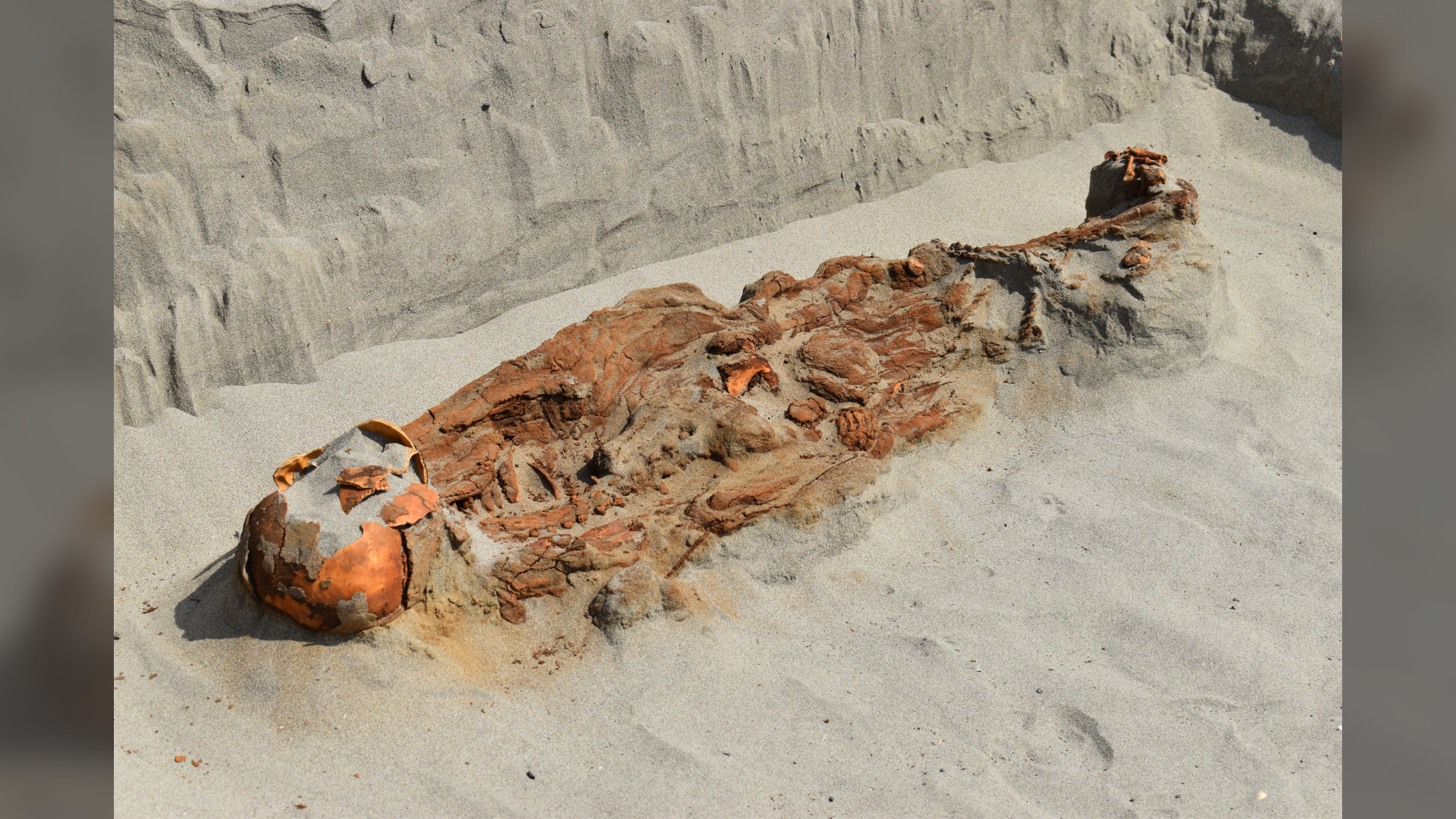
Unearthing a Dark Past: Mass Sacrifice Site Discovered in Peru
A chilling revelation in Peru has revealed a massive sacrificial site dating back 800-1200 AD, offering a haunting glimpse into the rituals of a pre-Inca culture. Archaeologists have unearthed the remains of over 140 individuals, primarily children and young adults, at a coastal temple complex. This find is prompting a re-evaluation of sacrificial practices in the region and raising profound questions about the beliefs of those who performed them.
A site Steeped in History
The huaca de la Luna temple, located in the Jequetepeque Valley, has long been known as an important ceremonial center. However, the scale of this recent discovery is unprecedented. Excavations revealed a dedicated area within the complex where the sacrifices took place, suggesting a formalized and ritualistic practice.
Evidence suggests the victims weren’t simply killed; some appear to have had their hands bound before their deaths. This detail, alongside the age of the remains, paints a disturbing picture of a carefully orchestrated event.
Who Were the Sacrificed?
Currently, identifying the individuals is a complex undertaking. Researchers believe the victims likely originated from the immediate area, though the possibility of individuals coming from neighboring valleys hasn’t been ruled out.
Ongoing skeletal analysis, including planned DNA testing, aims to unlock the identities of these individuals and reveal more about their origins and potential social status. You can expect more detailed insights as this research progresses.
Understanding the Rituals
The purpose of these sacrifices remains a central mystery. It’s believed the rituals were connected to extreme weather events, such as El Niño, which historically devastated the region. Perhaps the sacrifices were intended to appease the gods and ensure future prosperity.
Further analysis of artifacts found alongside the remains – including ceramics, animal bones, and plant matter – will hopefully shed light on the specific beliefs and motivations behind these practices.
What This Means for Our Understanding of the Past
This discovery underscores the complexity of pre-Columbian societies in South America. It challenges simplistic narratives and highlights the importance of continued archaeological investigation.
Here’s what we know so far:
Scale: the sheer number of victims is remarkable,indicating a important event with profound cultural implications.
Ritualistic Nature: The evidence suggests a deliberate and formalized sacrificial practice.
Environmental Connection: The timing of the sacrifices may be linked to periods of environmental stress.
Ongoing Research: Scientists are actively working to uncover more details about the victims and the rituals themselves.
Ultimately, this site offers a poignant reminder of the human cost of belief and the enduring power of the past to challenge our understanding of the world. As research continues, we can anticipate a deeper, more nuanced understanding of this ancient culture and the motivations behind its most unsettling practices.