The Battle Over Authenticity: A Peruvian Politician’s Fight with Louis Vuitton
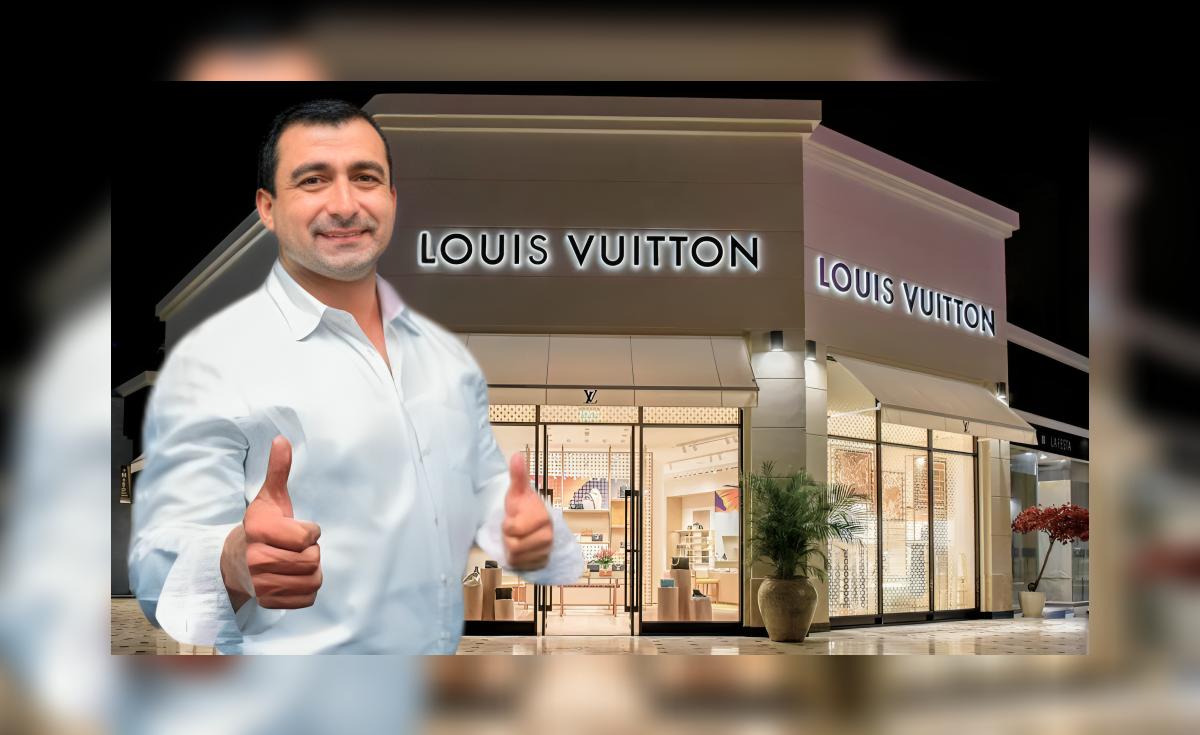
Disputes over the authenticity of luxury goods are becoming increasingly common, and one recent case in Peru highlights the challenges individuals face when questioning a brand’s claims. This story centers around Jacobo vaisman, a Peruvian politician, and his legal battle with the renowned fashion house, Louis Vuitton. It’s a situation that underscores the importance of documentation and the potential for disputes even when purchases are made directly from official stores.
The conflict began when Vaisman was publicly accused of associating with individuals involved in criminal organizations.These accusations stemmed from the assertion that he could not have legitimately acquired genuine Louis Vuitton products. This is a growing trend, with brand reputation increasingly tied to consumer behavior and perceived social standing.
Demonstrating Authenticity: A Paper Trail is Key
Vaisman proactively addressed these allegations by meticulously gathering proof of his purchases. He successfully obtained a detailed report from his bank, showcasing transactions made with his debit card at various Louis Vuitton stores in the United States. This documentation served as crucial evidence to validate the authenticity of the items.
According to Vaisman, he presented this evidence to Indecopi, the Peruvian consumer protection agency. I was able to get a report from my bank of my dollar account showing what I had used in the United States. The report shows that I used my debit card in different Louis Vuitton stores. That was the proof to demonstrate that I did buy at louis Vuitton.
He further stated that his legal counsel confirmed his status as a long-time, valued customer of the brand, having made purchases since approximately 2011.
Consequently of this compelling evidence, Indecopi ruled in Vaisman’s favor, dismissing the initial complaint filed by Louis Vuitton.The agency also mandated that Louis Vuitton cover Vaisman’s expenses and provide compensation for the damages incurred.
Though, the story didn’t end there. Louis Vuitton contested Indecopi’s decision and continued legal proceedings, even filing a complaint against the agency itself for siding with Vaisman. This escalation demonstrates the lengths to which brands may go to protect their image and perceived exclusivity.
A Failed Attempt at Reconciliation and a Counter-Lawsuit
Throughout the legal battle, Louis vuitton maintained that the products purchased by Vaisman did not meet the brand’s quality standards, despite being acquired from official stores. This claim raises questions about potential variations in product quality or the possibility of unauthorized distribution even within official channels.
In an attempt to resolve the matter amicably, Vaisman sent two letters directly to Louis Vuitton’s headquarters in France, seeking a reconciliation. Regrettably,his efforts were met with silence. Two letters have been sent to Louis Vuitton, specifically to France, to reach a reconciliation. They have refused to respond to the letters we have sent.
This lack of response ultimately led Vaisman to pursue further legal action.
Frustrated by the lack of dialogue and continued legal challenges, Vaisman filed a civil lawsuit against Louis Vuitton, seeking $20 million in damages.this substantial claim underscores the severity of the perceived harm to his reputation and the financial implications of the dispute.
Vaisman remains resolute in his pursuit of justice, emphasizing the importance of protecting individuals from discriminatory practices.That a precedent be set in Peru that no one can treat us discriminatorily. No one can accuse us of being leaders of criminal organizations for wearing branded clothes without first corroborating the reputation of the person they are denouncing.
He also highlighted the impact of these accusations on his family, noting instances of bullying experienced by his children at school.
He is determined to see Louis Vuitton held accountable for what he considers irresponsible and discriminatory behavior. This case serves as a stark reminder of the potential consequences of brand-related accusations and the importance of due diligence.
Did You Know?

PS5 DualSense & Console Covers: Neon Gradient Colors Revealed
Venezuela Claims US Strike Left 100 Dead | DW News


Related Posts

Instagram Marketing: Tips, Trends & Strategy for 2024
January 9, 2026
Villeurbanne Weather Forecast: January 9, 2026 & Surrounding Area ...
January 9, 2026