
Pesticide residue on your fruits and vegetables is a concern for many, and understanding which produce items carry higher levels can empower you to make informed choices for your health. It’s a topic I’ve spent years researching, and I’ve found that awareness is the first step toward minimizing your exposure.
Several factors influence pesticide levels, including the type of pesticide used, how it’s applied, and the inherent vulnerability of the crop itself. Some produce naturally absorbs more pesticides than others due to their structure and growing methods.
Here’s a breakdown of what you should know:
Understanding the Risks
* Pesticides are used to protect crops from insects, weeds, and diseases.
* While regulations exist to ensure safety, residue can remain on produce even after washing.
* Chronic exposure to pesticides, even at low levels, has been linked to various health concerns.
Produce with Higher Pesticide Levels
Certain fruits and vegetables consistently show higher pesticide residue levels. These aren’t necessarily the most nutritious options, but it’s good to be aware.Here are some to consider prioritizing organic versions of:
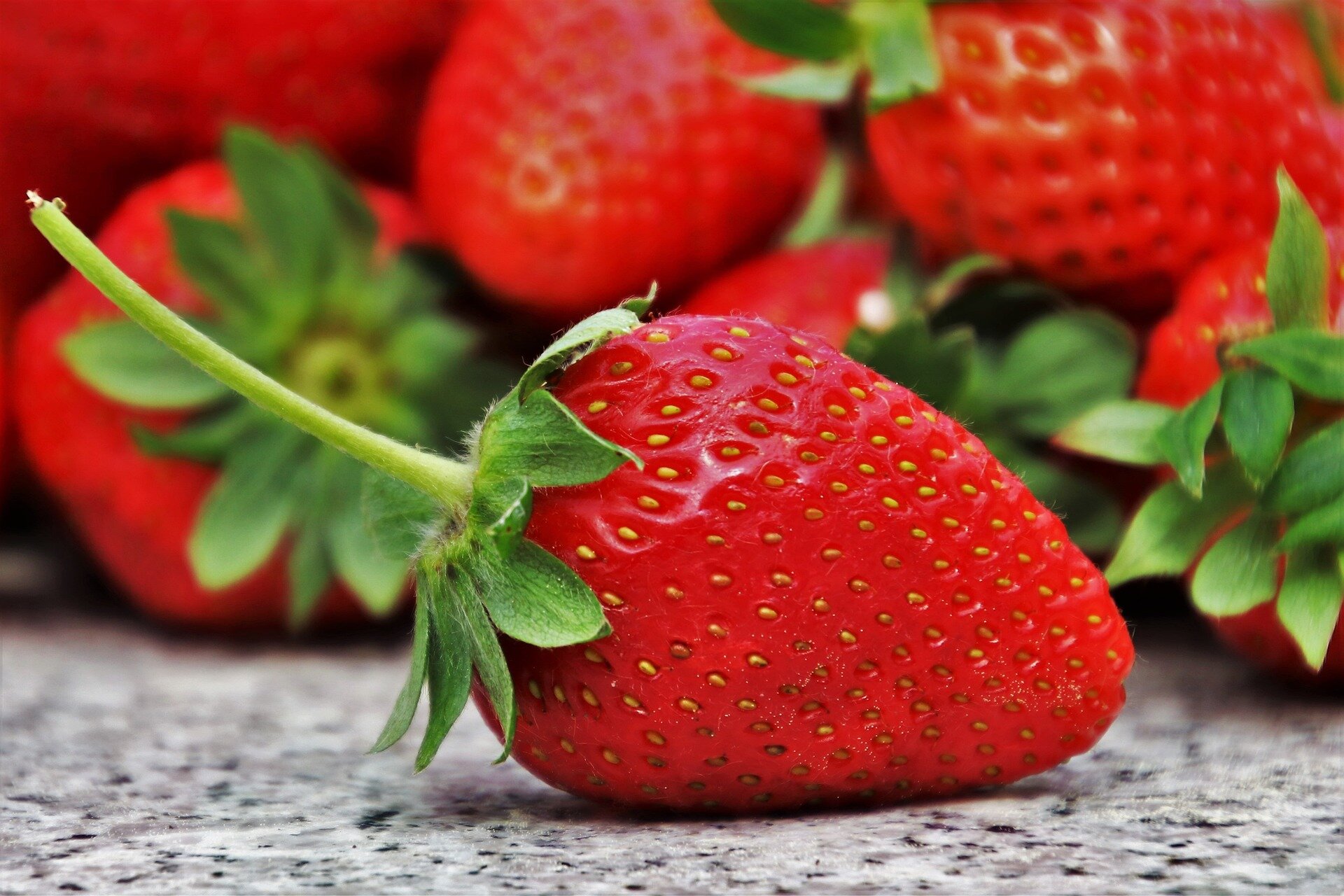
* Strawberries: They consistently top lists for highest pesticide residue.
* Spinach: Leafy greens can readily absorb pesticides from the soil.
* Kale, Collard & Mustard Greens: Similar to spinach, these greens often have higher levels.
* Peaches: Their delicate skin doesn’t provide a strong barrier against pesticides.
* Pears: Another fruit with thin skin that easily absorbs chemicals.
* Nectarines: Like peaches, they’re prone to pesticide absorption.
* Apples: A popular fruit that often requires significant pesticide use.
* Grapes: Both table grapes and those used for juice can carry residue.
* Bell Peppers: Especially those not organically grown.
* Cherries: Often treated with multiple pesticides.
Produce with Lower Pesticide Levels
Fortunately, many fruits and vegetables have naturally thicker skins or grow in ways that minimize pesticide absorption. You can often feel more comfortable choosing conventionally grown versions of these:
* Avocados: Their thick skin provides excellent protection.
* Sweet Corn: The husk acts as a natural barrier.
* Pineapple: another fruit with a protective outer layer.
* Onions: Their strong flavor also deters many pests.
* Papaya: Relatively low pesticide use compared to other fruits.
* sweet Peas (Frozen): Freezing doesn’t affect pesticide levels, but they generally have low residue.
* Asparagus: Typically requires minimal pesticide submission.
* Mangoes: Similar to avocados, their skin offers good protection.
* Eggplant: Generally has low pesticide residue.
* Kiwi: The fuzzy skin helps protect the fruit.
What You Can Do
You don’t need to overhaul your entire diet overnight. Here’s what works best for me and my clients:
* Prioritize Organic: Focus on buying organic versions of the “Dirty Dozen” – the fruits and vegetables with the highest pesticide levels.
* Wash Thoroughly: Washing produce, even organic, is crucial. Use cool water and gently scrub with a brush.
* Peel When Possible: Peeling can remove some surface residue, but you’ll also lose some nutrients.
* grow Your Own: if you have space, consider growing some





