
Teh PFAS crisis in European Water & Food: what you Need to Know
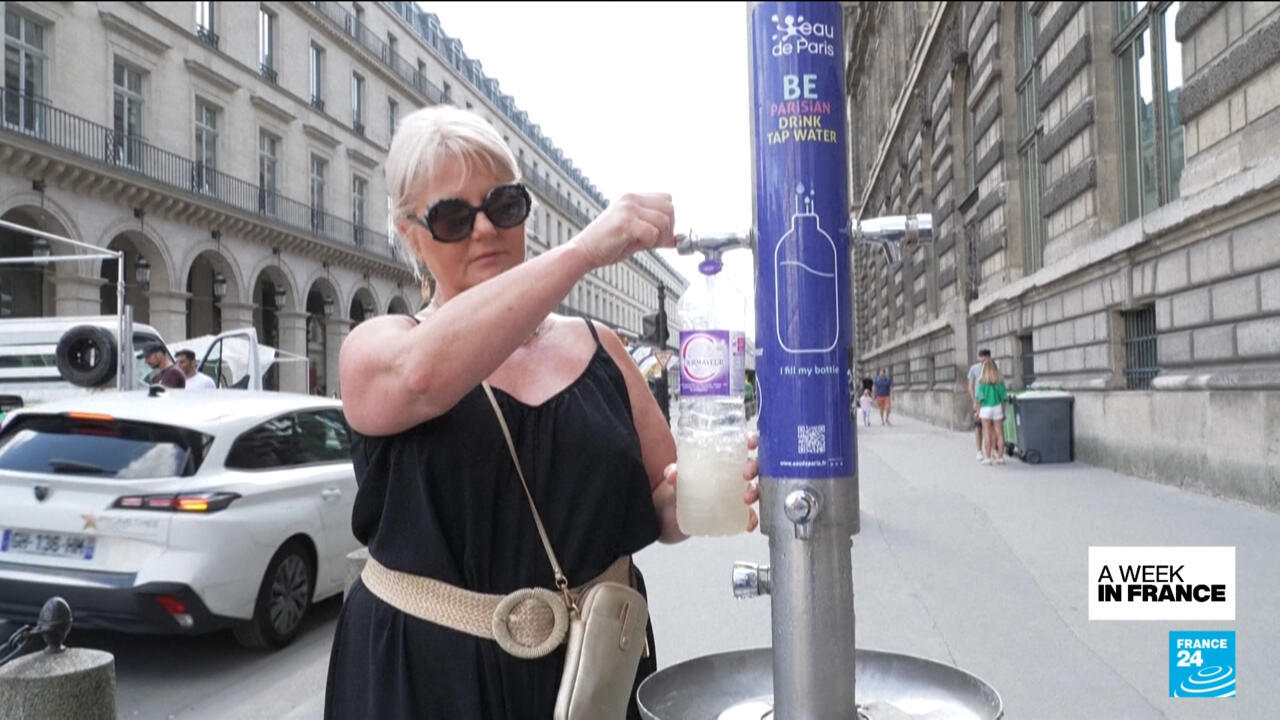
Are you concerned about the quality of your drinking water and the food you eat? recent findings reveal a widespread contamination of PFAS - per- and polyfluoroalkyl substances – in european water sources and everyday food items, raising serious health concerns. This article dives deep into the issue, providing you with the latest facts, practical advice, and actionable steps to protect yourself and your family.
What are PFAS and Why are They a Problem?
PFAS, often called “forever chemicals” due to their persistence in the environment and human body, are a group of man-made chemicals used in countless industrial and consumer products. From non-stick cookware and firefighting foam to food packaging and textiles, their widespread use has led to ubiquitous environmental contamination. These chemicals don’t break down easily, accumulating in our water, soil, and even our bodies.
did You Know? A recent ANSES (French Agency for Food, Environmental and Occupational Health Safety) report revealed that 92% of tested drinking water sources in France contain PFAS. This alarming statistic underscores the scale of the problem.
the health risks associated with PFAS exposure are critically important. Studies link these chemicals to a range of adverse health effects, including:
* increased cholesterol levels
* Immune system suppression
* Thyroid disorders
* Certain types of cancer (kidney and testicular)
* Developmental effects in children
PFAS in Your Water: A European-Wide Issue
The ANSES report, analyzing over 600 tap water and untreated water samples over two years, paints a concerning picture. But France isn’t alone.PFAS contamination is a pan-European issue, with detections reported in water supplies across the continent. This contamination stems from industrial discharge, firefighting activities, and the breakdown of PFAS-containing products.
Pro Tip: If you’re concerned about PFAS in your water, consider investing in a certified water filter specifically designed to remove these chemicals. Look for filters certified to NSF/ANSI Standard P473.
Beyond Water: PFAS Contamination in Food
The problem extends beyond drinking water. A recent study has uncovered significant PFAS contamination in common food items, particularly breakfast cereals and bread in Europe. This contamination likely occurs through the use of PFAS-containing packaging and through uptake from contaminated water used in food production. Are you surprised to learn your daily bread could be a source of exposure?
Understanding the Different Types of PFAS
Not all PFAS are created equal. There are thousands of different PFAS compounds, each with varying levels of toxicity and persistence. Some of the most commonly detected and studied PFAS include:
* PFOS (Perfluorooctanesulfonic acid)
* PFOA (Perfluorooctanoic acid)
* GenX chemicals – emerging replacements for PFOA and PFOS, but still raising concerns.
Pro Tip: reducing your consumption of highly processed foods and opting for products with minimal packaging can help minimize your exposure to PFAS from food sources.
What is Being Done to Address the PFAS Crisis?
Governments and regulatory bodies are beginning to take action. The European Commission is developing stricter regulations on PFAS, including potential restrictions on their use and stricter monitoring requirements. France, in particular, is taking a leading role, with plans to phase out PFAS in several applications. though, the pace of change is slow, and much more needs to be done. François Veillerette, director of Generations Futures and former President of Greenpeace France, is a key voice advocating for stronger regulations and greater transparency.
Comparing PFAS Regulations: EU vs. US
| Feature | european Union | United States |
|---|
| Regulatory Approach | Moving towards thorough restrictions on PFAS as a group. | Focuses on


![Best Online Ticket Sites: Find Deals & Avoid Scams [2024]](https://i0.wp.com/www.rollingstone.com/wp-content/uploads/2025/02/the-inferno-is-still.jpg?resize=150%2C100&ssl=1 "Best Online Ticket Sites: Find Deals & Avoid Scams [2024]")


