Philippines Grapples with Massive Corruption Scandal, Sparking Widespread Protests and Political Fallout
Manila, Philippines – September 21, 2025 – The Philippines is currently facing a major political crisis fueled by a sprawling corruption scandal involving billions of dollars in flood-control projects. The revelations have ignited public outrage,leading to large-scale protests across the nation and a significant shake-up within the government. this unfolding situation underscores the persistent challenges of corruption within the Philippine political system and the growing demand for accountability.
A Scandal Unveiled: Billions Misappropriated
The crisis began to unfold in July when President Ferdinand Marcos Jr. publicly addressed anomalies in nearly 10,000 flood-control projects, collectively worth over 545 billion pesos (approximately $9.5 billion USD), initiated since he assumed office in mid-2022. He described the scale of the corruption as “horrible” and swiftly established an independent commission to investigate.
The inquiry quickly revealed a deeply entrenched system of kickbacks and substandard work. At the heart of the scandal is a wealthy couple, Sarah and Pacifico Discaya, owners of several construction companies that secured lucrative contracts for these projects. Their extravagant display of wealth – including a fleet of luxury vehicles, one costing a staggering 42 million pesos ($737,000) and reportedly purchased for its complimentary umbrella – became a potent symbol of the alleged misappropriation of public funds.
During a televised Senate inquiry, the Discayas delivered explosive testimony, implicating at least 17 members of the House of Representatives and public works officials in a scheme demanding massive kickbacks in exchange for securing project contracts. Further investigations by the house of Representatives implicated two prominent senators, adding to the growing list of individuals under scrutiny. While all those named have denied wrongdoing, they are now facing multiple investigations.
Public Outcry and Protests Demand Accountability
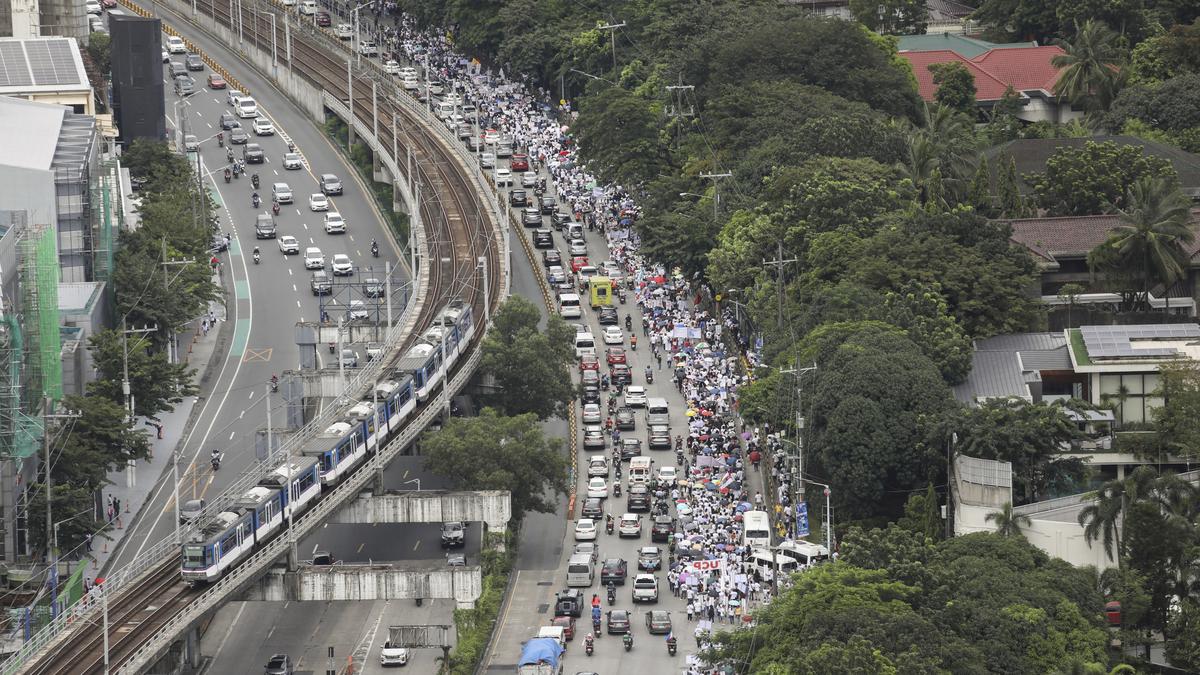
The revelations sparked widespread public anger, culminating in nationwide protests.On September 21st, an estimated 8,000 protesters marched in Manila, waving Philippine flags and carrying banners demanding justice. the sentiment on the streets is palpable, as articulated by student activist Althea Trinidad: “I feel bad that we wallow in poverty and we lose our homes, our lives and our future while they rake in a big fortune from our taxes that pay for their luxury cars, foreign trips and bigger corporate transactions. We want to shift to a system where people will no longer be abused.”
The protests aren’t aimed at destabilizing the government, but rather at strengthening democracy through accountability, according to Cardinal Pablo Virgilio David, head of the Catholic Bishops’ Conference of the Philippines, who urged peaceful demonstrations and a demand for transparency. The focus of the protests is on corrupt public works officials, legislators, and the systemic issues that allow such large-scale corruption to flourish.
Political Fallout and Government Response
The scandal has already triggered significant political fallout. Both Senate President Francis Escudero and House Speaker Martin Romualdez have stepped down from their positions, reflecting the intensifying criticism faced by Congress. The government has taken some initial steps to address the crisis, with at least three government engineers dismissed and 15 others under investigation, facing potential dismissal.
Public Works Secretary Vince Dizon announced that criminal complaints will be filed against those implicated,and their assets – including bank accounts,houses,and vehicles – will be frozen. This decisive action signals a commitment to pursuing justice, but many remain skeptical about the extent to which those responsible will be held truly accountable.
Focus on Flood control: A Critical Need
The scandal is particularly poignant given the context of the projects themselves.many of the investigated flood-control projects are located in areas like Bulacan, a province north of Manila frequently ravaged by floods.Reports indicate that numerous projects were either substandard or entirely nonexistent,leaving communities vulnerable to the devastating effects of natural disasters. This highlights the direct and tangible consequences of corruption on the lives of ordinary Filipinos.
Looking ahead: A Test for Marcos Jr.’s Administration
President Marcos Jr.’s handling of this crisis will be a defining moment for his administration. While he initially brought the issue to light and initiated an investigation, the public will be watching closely to see if the investigations lead to genuine accountability and systemic reforms.
The United States and Australian embassies have issued travel advisories, urging their citizens to avoid protest areas, highlighting the potential for unrest. This situation underscores the fragility of the political climate and the urgent need for a transparent and effective response to the corruption allegations.
The Philippines faces a critical juncture. Successfully navigating this crisis requires not only punishing those responsible for the alleged corruption but also addressing the underlying systemic issues that