
PM Modi‘s ‘Swadeshi‘ Push: A Catalyst for India’s Manufacturing Renaissance & Economic Growth
By Sophia martinez, Content Strategist & SEO Expert
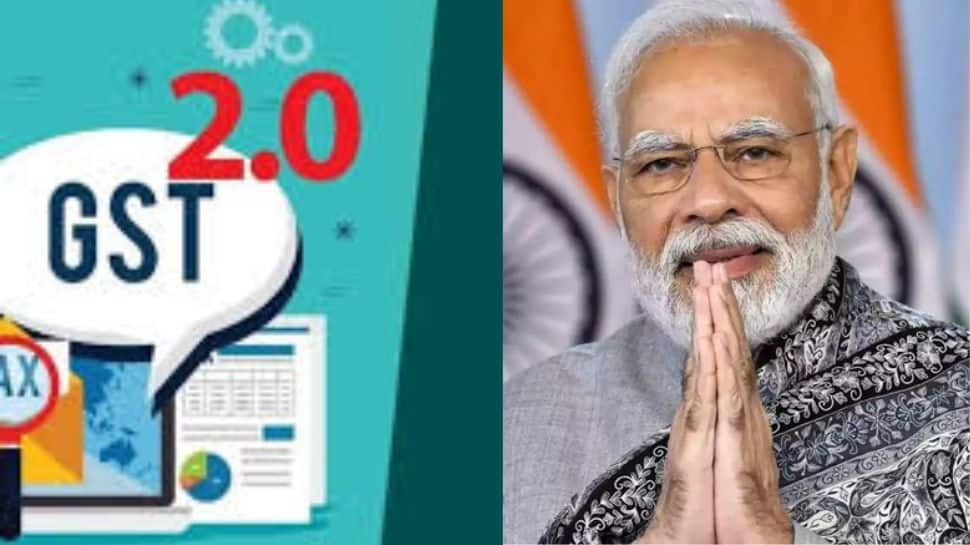
Prime Minister narendra Modi’s recent call to prioritize domestically manufactured goods isn’t just a nostalgic nod to India’s past – it’s a strategic blueprint for future economic independence and growth. This initiative, bolstered by the recent GST 2.0 reforms, is poised to reshape India’s economic landscape. Let’s break down what this means for you, for businesses, and for the nation’s trajectory toward becoming a Viksit Bharat (Developed India).
The power of ‘Swadeshi’ in a Modern Context
the concept of Swadeshi – self-reliance – played a pivotal role in India’s freedom struggle.Now,PM Modi is framing it as a key driver for prosperity. He highlighted a subtle,yet pervasive,reliance on foreign goods in our daily lives – even something as simple as a comb. This isn’t about rejecting global trade, but about consciously building a stronger, more resilient domestic economy.
GST 2.0: Fueling Demand & empowering Consumers
The recently implemented GST 2.0 reforms are central to this vision. These changes, launched under the “GST Bachat Utsav,” focus on reducing taxes on essential and everyday products. This translates directly into:
* Increased Disposable Income: You’ll have more money in your pocket.
* Stimulated Domestic Demand: More spending power will naturally boost demand for Indian-made products.
* Boost to Manufacturing: Increased demand will incentivize domestic manufacturers to scale up production and innovate.
The Confederation of indian Industry (CII) has lauded these reforms as a landmark moment for India’s growth path. CII President Rajiv Memani congratulated the Prime Minister and the government on this significant step.
Aatmanirbhar Bharat & Viksit Bharat: The Bigger Picture
this ‘Swadeshi’ push isn’t an isolated policy; it’s a core component of two larger national initiatives:
* Aatmanirbhar Bharat (Self-Reliant India): The goal is to reduce India’s dependence on foreign imports and foster self-sufficiency across key sectors.
* Viksit Bharat (developed India): This aspiring vision aims to transform India into a leading global economy by 2047.
By prioritizing domestic manufacturing and consumption,India can become more globally competitive and accelerate its journey toward these goals.
What This Means for You – The Consumer
PM Modi’s message is a direct appeal to you. He encourages a simple, yet powerful shift in mindset:
* Be conscious of Your Choices: Take a moment to consider the origin of the products you buy.
* prioritize ’Made in India’: When possible,choose products manufactured in India.
* Embrace the ’I Buy Swadeshi, I Sell Swadeshi’ Mentality: Become an advocate for domestic goods.
This isn’t about sacrifice; it’s about contributing to a stronger,more prosperous India. it’s about supporting the hard work and innovation of Indian youth.
The Role of state Governments
The Prime Minister also emphasized the crucial role of state governments. He urged them to actively support the Aatmanirbhar Bharat and Swadeshi campaigns by:
* Boosting Regional Manufacturing: Creating an habitat conducive to investment and growth within their states.
* Fostering Collaboration: Working in tandem with the central government to achieve shared goals.
Looking Ahead: A Collaborative Path to Prosperity
The success of this initiative hinges on a collaborative effort between the central government, state governments, industry leaders, and – most importantly – you, the consumer. When these forces align, the dream of a self-reliant and developed India becomes increasingly attainable. This isn’t just an economic policy; it’s a national movement, and your participation is vital.
Sources:
* Zee News: [https://zeenews.india.com/business/cii-hails-pm-modi-s-call-to-boost-domestic-manufacturing-swadeshi-campaign-gets-fresh-momentum-2682199.html](https://


