
Diving Deep into the World of Miniature Vinyl Records: A Complete Guide
The resurgence of vinyl isn’t just about large-format LPs; a interesting corner of the market has emerged: miniature vinyl records. These tiny discs, ranging from 3-inch to 4-inch sizes, offer a unique listening experience and a nostalgic charm. Let’s explore everything you need to know about these diminutive delights,from sound quality to compatibility.
A Closer Look at Tiny Vinyl & 3-Inch Records
These aren’t simply scaled-down versions of their larger counterparts. They represent a distinct history and a unique approach to music consumption. Originally popularized by Bandai in the late 80s and early 90s, 3-inch records were designed for portability and affordability. Now, they’re experiencing a revival, alongside the newer 4-inch “Tiny Vinyl” format.
Sound Quality: What Can You Expect?
Naturally, sound quality differs from a standard LP. You’ll notice a quieter playback volume at the same amplifier settings. However, the experience isn’t necessarily inferior, just different.
* LP vs. Tiny Vinyl/3-Inch: lps generally sound brighter and louder, offering a fuller sonic range.
* 3-Inch Noise: Older 3-inch records can exhibit more surface noise,a characteristic of the materials used in their original manufacturing.
* Manufacturing Flaws: Some samples may have minor flaws,often appearing as artifacts from the manufacturing process. These are typically removable with a gentle liquid cleaner.
testing the Waters: A Comparative Listening Session
To truly understand the nuances, a direct comparison is essential.I tested several formats using a high-quality turntable to provide a comprehensive assessment.
* “Linus and Lucy” (A Charlie Brown Christmas): Comparing the classic track across LP, a 2012 LP pressing of the full album, and a 2019 3-inch version revealed noticeable differences.
* LP Dominance: The LP version unsurprisingly delivered a brighter, louder sound.
* 3-Inch Similarity: The 3-inch version sounded comparable to the Tiny Vinyl, albeit quieter.
Ultimately, if you’re a devoted fan of a particular soundtrack, like A Charlie Brown Christmas, the full LP offers the most immersive experience.
Playback Compatibility: What Turntable Do You Need?
Playing these miniature records opens up a few options. Here’s a breakdown:
* Standard Turntables: Both 3-inch and 4-inch records can be played on standard turntables.
* Adapters: Adapters are readily available to accommodate the smaller spindle hole of 3-inch records.
* Crosley Turntables: these records were originally designed for Crosley RSD3 variants and the Crosley Mini Cruiser.
* Original 8ban players: If you can find an original 8ban player, you’ll experience the intended lo-fi aesthetic.
Tiny Vinyl & Playback Limitations
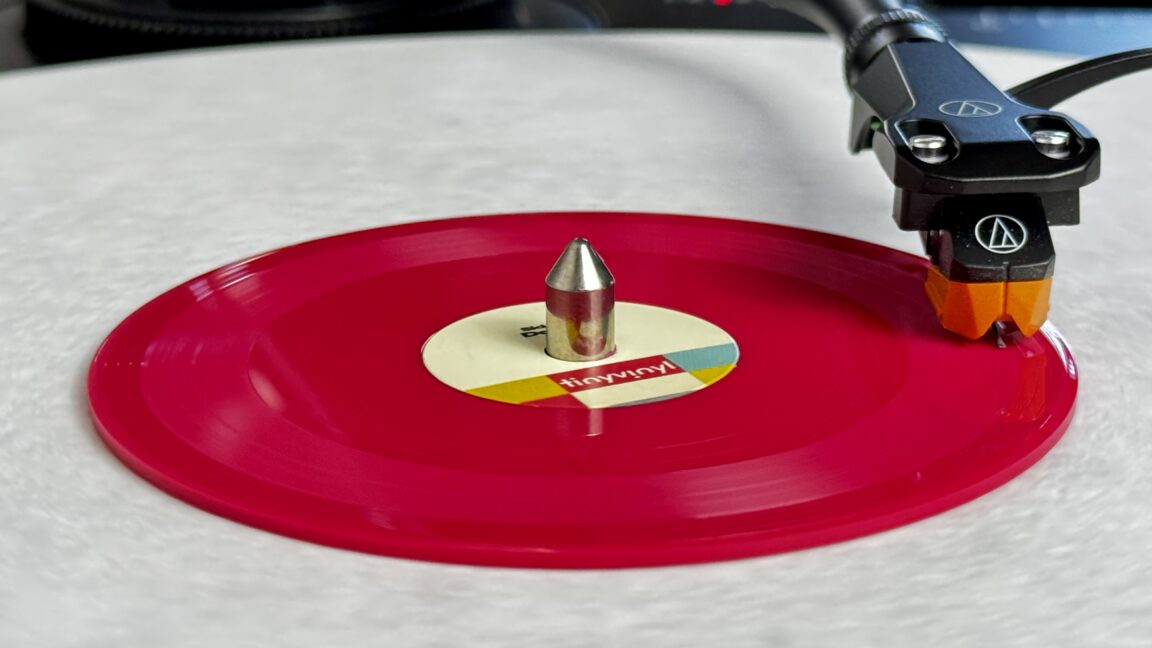
While newer 4-inch Tiny Vinyl records feature a standard spindle hole for easier playback, there’s a slight catch. Due to the tonearm design, the stylus won’t reach the inner grooves.
* Limited Playback Area: you can only play the record starting around the 3-inch mark.
* ergonomic Considerations: It’s a bit unfortunate,as a more appropriately sized turntable would offer a more cozy listening experience.
The Allure of the Miniature Format
despite the limitations, the appeal of miniature vinyl is undeniable.It’s a charming blend of nostalgia,collectibility,and a unique listening experience. Whether you’re a seasoned vinyl enthusiast or simply curious about this quirky format, exploring the world of tiny vinyl is a rewarding journey.
These little records offer a tangible connection to music, a conversation starter, and a delightful addition to any collection. So, embrace the small size and enjoy the big sound of miniature vinyl!





