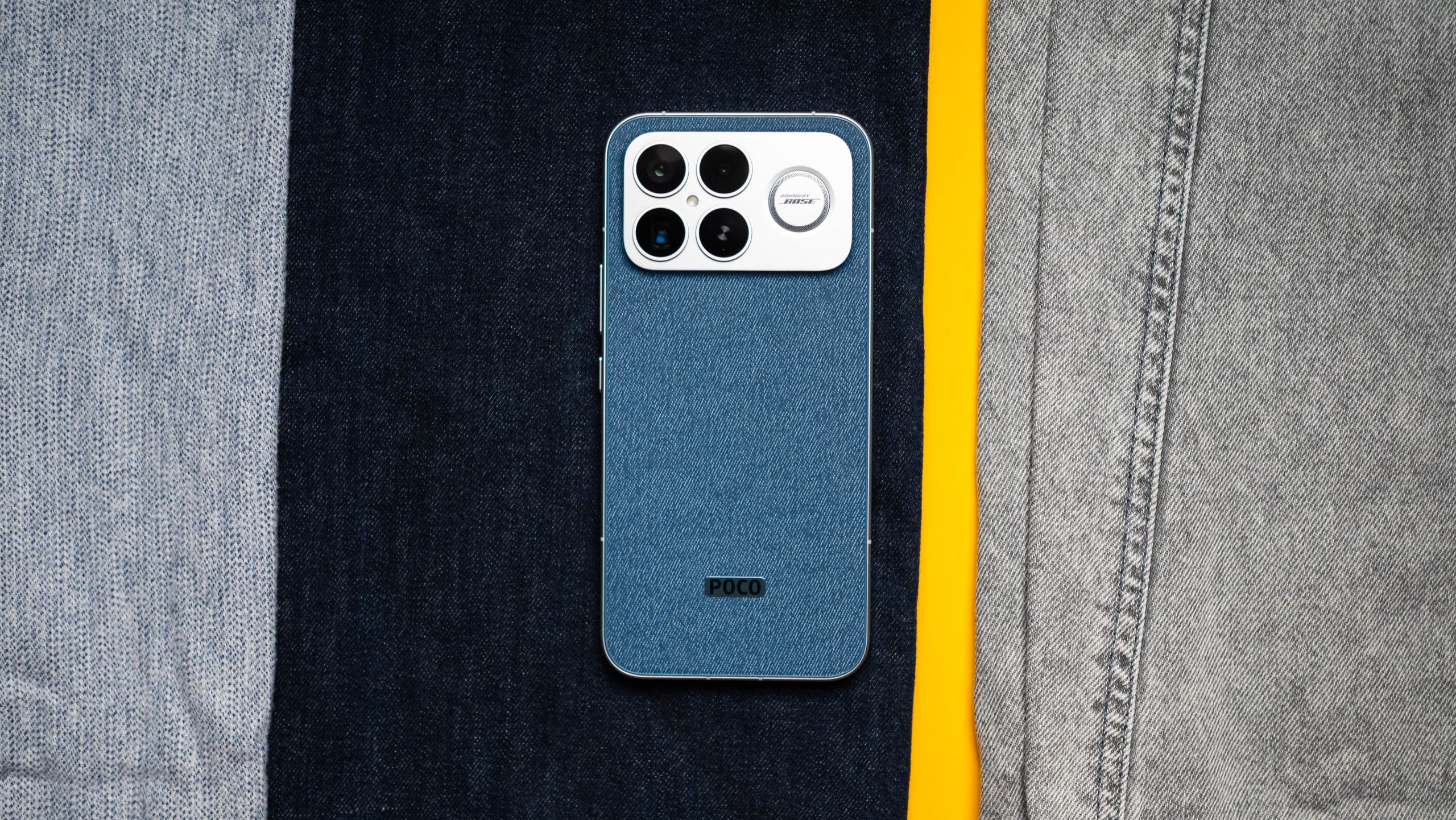
POCO‘s missed Opportunity: Why Skipping the F8 ultra in India is a Strategic Blunder
POCO has built a strong reputation in India as a purveyor of value-driven smartphones. Though, a recent decision to forgo the launch of its premium F8 ultra model in the Indian market raises serious questions about the brand’s long-term strategy. This move feels especially shortsighted given the evolving landscape of the Indian smartphone market and the potential for significant gains.
The Rising Premium Segment in India
India’s smartphone market is maturing.increasingly, consumers are willing to spend more for enhanced features and performance. This has fueled growth in the mid-to-high-end segment, creating an ideal habitat for devices like the F8 Ultra. Competitors like iQOO and Realme are actively capitalizing on this trend with compelling offerings.
A Perfect Positioning, Squandered
The F8 Ultra is strategically positioned to compete directly with models like the iQOO 15 and Realme GT 8 Pro. Given POCO’s established brand identity centered around affordability, undercutting these rivals would have been a winning formula. You can imagine the impact of offering comparable specs at a more accessible price point.
Echoes of the POCO F1 – A Lost Ideology?
POCO’s initial success was built on disruptive value.The original F1 offered flagship-level performance at a fraction of the cost,shaking up the industry. While replicating that exact formula is unrealistic in today’s market, the spirit of offering remarkable value remains crucial. The F2 Pro hinted at a shift away from this core principle, and now, skipping the F8 Ultra reinforces that concern.
Beyond Sales Numbers: Brand Elevation
It’s a mistake to solely focus on volume sales. Introducing marquee devices like the F8 Ultra elevates a brand’s overall image. Consider Samsung’s strategy: the Galaxy S and Z series aren’t just about sales; they establish Samsung as an innovation leader. This, in turn, boosts demand for thier more affordable A and FE series. POCO,and its parent company Xiaomi,seem to overlook this crucial dynamic.
A Disconnect in Global Strategy
Xiaomi and POCO adopt markedly different approaches in the U.K. compared to india. This inconsistency is puzzling, especially considering both brands enjoy significant recognition in the Indian market.POCO is clearly capable of producing extraordinary hardware. Now, the brand needs to align its strategy and ensure its best devices are available to its largest customer base.
The impact on POCO’s Image
Ultimately, this decision damages POCO’s reputation in India. While the F8 Ultra wouldn’t likely match the sales figures of its budget phones, its presence would signal ambition and a commitment to innovation. Failing to compete in the premium segment risks relegating POCO to a purely budget-focused brand, limiting its long-term growth potential.
POCO’s decision to skip the F8 Ultra launch in India is a missed opportunity. It’s a strategic misstep that undermines the brand’s image, ignores market trends, and possibly hinders its future success. To truly thrive, POCO needs to embrace a more holistic approach, recognizing that brand elevation and premium offerings are just as significant as affordable pricing.