Palworld Patent Dispute: Why Nintendo‘s Argument is Falling Apart
The legal battle between Nintendo (and The Pokémon Company) and Pocketpair over Palworld continues to draw intense scrutiny. At the heart of the dispute lies a claim that Palworld infringes on patents held by Nintendo, but a key argument – that user-created modifications (mods) don’t constitute “prior art” – is facing important pushback from patent law experts. This article breaks down why that argument is weak, what it means for the case, and why it’s likely Nintendo is grasping at straws.
Understanding the Core Issue: Prior Art & Patents
Before diving into the specifics,let’s clarify what’s at stake. A patent grants an inventor exclusive rights to their invention for a limited time. Though, that patent isn’t valid if the invention was already known – or publicly available – before the patent application. This pre-existing knowledge is called “prior art.”
Typically, prior art includes existing patents, publications, or even publicly demonstrated products.But Nintendo’s legal team is attempting to exclude a crucial source of prior art: modifications created by players for other games.
Expert Analysis: A “Loser Argument”
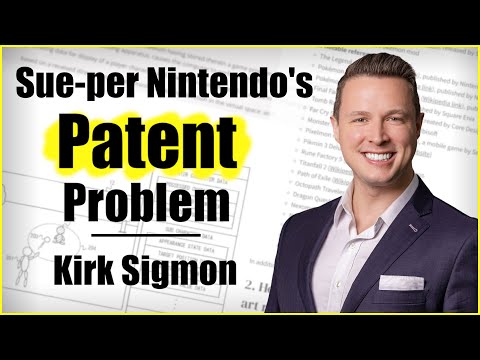
Patent attorney Brian Sigmon, featured in a detailed interview (embedded below), has been vocal about the flaws in Nintendo’s reasoning. He argues that the attempt to disqualify mods as prior art is fundamentally flawed.
[Embed YouTube Video Here]
Sigmon acknowledges potential nuances within Japanese patent law, where Nintendo is based. However, he firmly believes the argument is weak, stating it focuses too heavily on form over function.
Here’s why Sigmon – and many others – see this as a losing strategy:
* Functionality Matters: Prior art doesn’t need to be a polished, commercially viable product. It simply needs to demonstrate the core concept.
* The Unreal Engine Example: If Nintendo’s logic held, games built on a common engine like Unreal Engine 5 could be dismissed as non-prior art simply because they share a foundation. This creates a slippery slope with no clear endpoint.
* Abundant Prior Art: Sigmon suggests Nintendo is likely making this argument because a wealth of prior art does exist, potentially undermining their patent claims.
Copyright vs. Patent: A Critical Distinction
The confusion surrounding this case may stem from a misunderstanding of intellectual property law.Nintendo’s argument sounds remarkably similar to the established principle that mods are often considered derivative works and therefore don’t receive independent copyright protection.
However, patent law operates differently. Patents protect inventions, not creative expression.The existence of similar functionality demonstrated through mods is highly relevant to patent validity.
Why This Case Feels Weak
considering the available evidence and expert opinions, the lawsuit is beginning to appear increasingly flimsy. You might be wondering why Nintendo is pursuing this course of action.
Here’s a breakdown of the potential issues:
* Overly Broad Patents: Nintendo may be attempting to enforce patents that are too broad in scope,covering concepts that where already known or obvious.
* Hail Mary Strategy: Facing a strong case for invalidity based on prior art, Nintendo might potentially be resorting to unconventional arguments in a desperate attempt to protect their intellectual property.
* protecting the Pokémon franchise: The Pokémon Company is heavily involved, likely aiming to safeguard its lucrative franchise from perceived competition.
What Does This Mean for You?
This case has implications beyond Palworld and Nintendo. It highlights the importance of robust prior art searches during patent examination. It also underscores the potential for companies to abuse the patent system to stifle innovation.
Ultimately, a favorable outcome for Pocketpair – and a rejection of Nintendo’s argument regarding mods – would reinforce the principle that innovation builds upon existing ideas, and that user creativity should be recognized as a legitimate form of prior art.
Filed Under: Palworld, patents, Prior Art, [Video Games](https://www.techdirt.