Poland Signals Resistance to Extraditing Ukrainian Suspect in Nord Stream Pipeline Examination
Updated 13:43
Poland is signaling it will likely resist extraditing a Ukrainian national to Germany, despite a court order extending his detention as German authorities seek his prosecution in connection with the 2022 Nord Stream pipeline explosions. This progress adds another layer of complexity to the ongoing investigation into the sabotage that crippled critical energy infrastructure and heightened geopolitical tensions.
Here’s a breakdown of the situation,what it means,and why it matters to you:
The Case & The Suspect
Volodymyr Z., a Ukrainian citizen, was detained near Warsaw in late September.Germany has issued a European Arrest Warrant, alleging his involvement in the September 2022 blasts that damaged the Nord Stream 1 and 2 pipelines.
* He is believed to have been part of a group that rented a yacht and allegedly planted explosives near the Danish island of Bornholm.
* German prosecutors state Volodymyr Z.is a trained diver.
* The suspect denies any wrongdoing and intends to fight extradition.
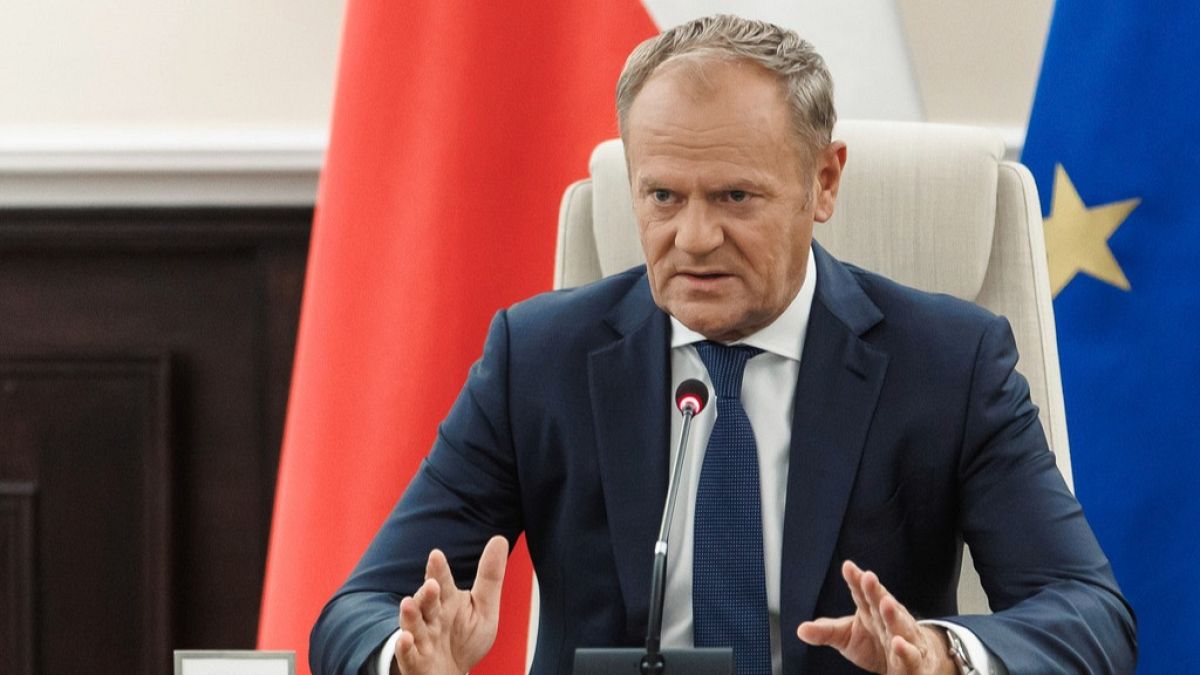
A Polish court has ordered Volodymyr Z. to remain in custody for another 40 days while considering the extradition request. However, Polish Prime minister Donald Tusk has publicly expressed strong reservations about handing him over.
Tusk’s Stance: A Matter of National Interest
While acknowledging the court’s ultimate authority, Tusk has made it clear that extraditing Volodymyr Z. is “certainly not in the interest of Poland.” His comments go beyond legal procedure, revealing a deeper political dimension to the case.
Tusk reiterated Poland’s long-held opposition to the Nord Stream pipelines themselves. He argued that these pipelines increased europe’s dependence on Russian energy, a vulnerability Poland actively sought to avoid.
“The problem… is not that nord Stream 2 was blown up, but that it was built,” Tusk stated. this sentiment reflects a broader view within Poland that the pipelines posed a strategic risk to european security.
The Broader Context: nord Stream & Geopolitical Fallout
The explosions on September 26, 2022, significantly damaged both Nord Stream 1 and 2. These pipelines were designed to transport Russian natural gas directly to Germany under the Baltic sea.
* Nord Stream 1 was Russia’s primary gas supply route to Germany, but Moscow halted deliveries at the end of August 2022.
* Nord Stream 2 was never operational,as Germany suspended its certification process just before Russia’s full-scale invasion of Ukraine.
The damage exacerbated existing tensions surrounding the war in Ukraine and accelerated the push by european nations to reduce their reliance on Russian energy. The incident sparked a complex investigation with accusations flying between Russia, Ukraine, and Western nations.
Other Arrests & Ongoing Investigations
Volodymyr Z.isn’t the only individual facing scrutiny in connection with the Nord Stream sabotage.
* serhii K., another Ukrainian national, was arrested in Italy last month.An Italian appeals court approved his extradition to Germany,but he is currently appealing the decision.
* Russia has accused the United States of being responsible for the explosions, a claim Washington vehemently denies.
* In 2023, German media reports suggested a pro-Ukraine group may have been involved, though Kyiv has denied any involvement and German officials have urged caution regarding these accusations.
Why this matters to You
This case has far-reaching implications for European energy security, international relations, and the ongoing investigation into the Nord Stream sabotage.
* Energy Markets: The disruption of the Nord Stream pipelines has reshaped European energy markets, forcing countries to seek alternative suppliers and accelerate the transition to renewable energy sources.
* Geopolitical Tensions: The incident has deepened mistrust between Russia and the West, contributing to a more volatile geopolitical landscape.
* International Cooperation: The investigation highlights the challenges of international cooperation in addressing complex security threats.
Poland’s reluctance to extradite Volodymyr Z. underscores the political sensitivities surrounding the case and the potential for diverging national interests to complicate the pursuit of justice.
As the investigation continues, you can expect further developments that will likely shape the future of European energy security and international relations.
Sources: (This section would be populated with links to reputable news sources like Reuters, Associated Press, BBC, etc. to