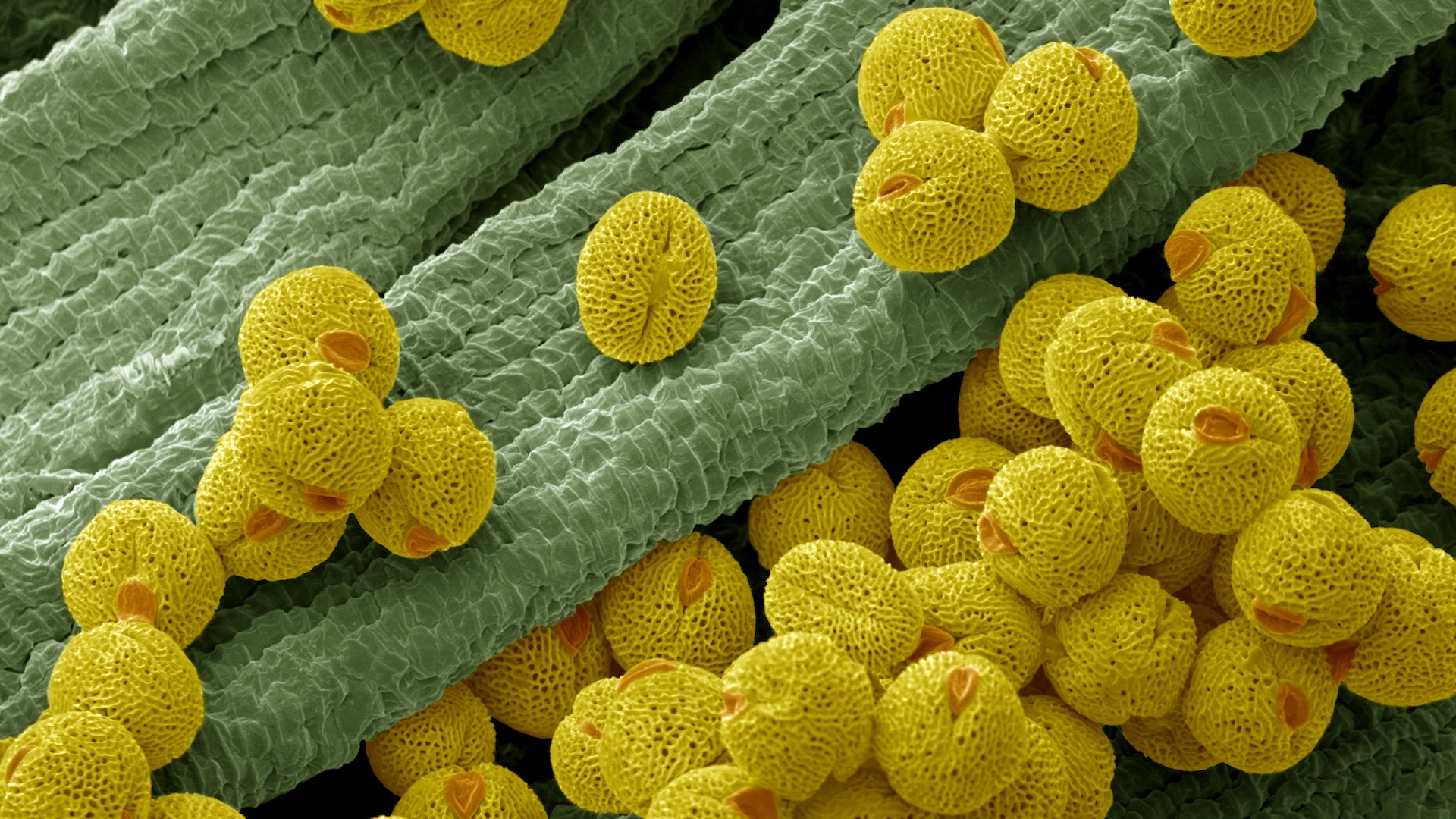
The Unexpected potential of Pollen: A Enduring material for the Future
For decades, scientists have sought sustainable alternatives to materials derived from fossil fuels and resource-intensive processes. Now, a surprising contender is emerging: pollen.This readily available, naturally produced substance is showing remarkable promise in a diverse range of applications, from advanced wound care to environmental remediation.
Beyond Allergies: Understanding Pollen’s Unique Properties
You might associate pollen with springtime allergies, but its inherent structure and composition make it a surprisingly versatile material. Researchers are discovering that pollen grains, when processed correctly, possess unique properties like porosity, biocompatibility, and the ability to be chemically modified. These characteristics open doors to innovative solutions across multiple industries.
Transforming Pollen: The Alkaline Hydrolysis Breakthrough
A key to unlocking pollen’s potential lies in a process called alkaline hydrolysis. This method breaks down the tough outer shell of pollen grains, revealing the valuable building blocks within. This allows scientists to manipulate the material and tailor it for specific applications.
Currently, researchers often utilize inexpensive bee pollen mixtures sourced primarily from sunflower and camellia plants. however,the beauty of this process is its adaptability – it can be applied to a wide variety of plant species. Consider this: a single sunflower can produce between 25,000 and 67,000 pollen grains each summer.
Diverse Applications: From healing to Cleaning
The potential uses for processed pollen are truly exciting. Here are just a few examples:
Advanced Wound Healing: Pollen-based materials demonstrate remarkable ability to stem bleeding and promote faster tissue regeneration.
Environmental Remediation: Its porous structure makes it highly effective at absorbing oil spills, offering a natural solution to a critically important environmental challenge.
Sustainable packaging: Researchers are exploring pollen as a component in biodegradable packaging materials, reducing reliance on plastics. Biomedical Engineering: the biocompatibility of pollen makes it suitable for creating scaffolds for tissue engineering and drug delivery systems.
A Sustainable Advantage: Pollen vs. Conventional Biomaterials
Compared to other biomaterials currently under advancement, pollen offers a significant sustainability advantage. Materials like chitosan (from crustaceans) and cellulose (from trees) require the destruction of living organisms.
Pollen, however, is diffrent. “We’re not destroying the plant,” explains one researcher. “We’re not even destroying the flowers.” It’s a truly renewable resource, often collected as a byproduct of commercial beekeeping.
The Path Forward: Challenges and Opportunities
While the future looks luminous, bringing pollen-based products to market requires further research and development. Predicting potential challenges and devising sustainable solutions are crucial next steps.
Researchers are focused on optimizing the processing methods, scaling up production, and ensuring long-term stability and performance. However, the inherent advantages of pollen – its abundance, renewability, and unique properties – position it as a frontrunner in the quest for truly sustainable materials.
Pollen represents a paradigm shift in materials science, offering a pathway to a future where innovation and environmental responsibility go hand in hand. It’s a testament to the power of looking to nature for solutions to some of our most pressing challenges.