
Volkswagen’s transition toward an electrified lineup has sparked intense industry debate regarding the future of its performance-oriented models. While the traditional internal combustion engine “GTI” badge has long defined the brand’s hot-hatch identity, the automaker is currently recalibrating its strategy for the electric era, focusing on the ID. family to carry the legacy of driver-focused performance. As the industry shifts, the core question for enthusiasts remains: can an electric vehicle truly replicate the visceral, engaging driving dynamics that established the GTI as a benchmark for compact performance?
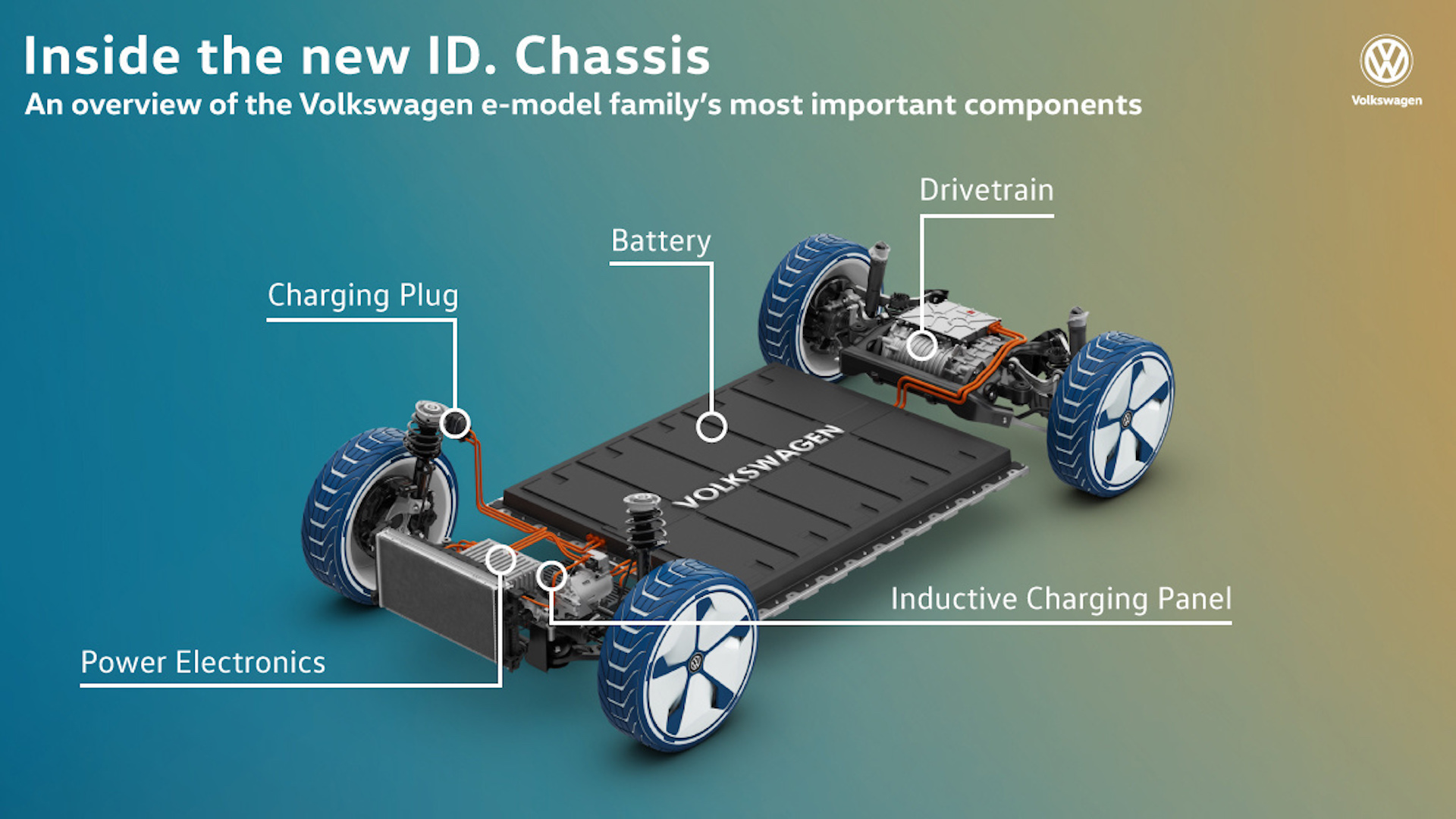
According to official statements from Volkswagen, the future of the iconic GTI moniker is firmly rooted in electrification. The company has moved to integrate its performance heritage into the MEB (Modular Electric Drive Matrix) platform, aiming to maintain the agility and responsiveness traditionally associated with the Polo and Golf GTI models. This strategic pivot represents a significant change for the brand, as it seeks to balance the strict emissions mandates set by the European Union with the high expectations of its long-term customer base.
Engineering the Electric Hot Hatch
The engineering challenge lies in reconciling the weight of battery packs with the nimble handling required for a performance-focused vehicle. Volkswagen’s development teams have utilized the low center of gravity inherent in the ID. platform to offset the mass of the battery, a technique that has been central to recent ID. GTI Concept testing. By optimizing the torque delivery—which is immediate in electric motors—engineers aim to provide the “punchy” acceleration that defined the original GTI’s character, despite the absence of a manual gearbox.

Industry analysts note that while the driving experience is changing, the software-defined nature of the new ID. models allows for adjustable vehicle dynamics. Drivers can theoretically customize steering weight, throttle mapping, and suspension stiffness via the vehicle’s infotainment interface. This flexibility provides a modern interpretation of the “customizable performance” that tuners and enthusiasts have sought for decades, though it shifts the focus from mechanical modifications to digital calibration.
Market Context and Future Expectations
The shift to electric performance models is occurring alongside a broader decline in the traditional subcompact hot-hatch segment. Data from the European Automobile Manufacturers’ Association (ACEA) indicates that battery-electric vehicles continue to gain market share, pushing manufacturers to prioritize these platforms over legacy internal combustion engine designs. For the consumer, this means that the next generation of “fun to drive” vehicles will increasingly rely on electric propulsion systems.
For those currently shopping for performance, the transition period presents a complex landscape. While the ID. series is designed to be accessible and engaging, it lacks the specific mechanical feedback of a manual transmission Polo GTI. However, early road tests conducted by automotive journalists suggest that the torque-vectoring capabilities available on advanced electric platforms can provide a level of cornering precision that was previously unattainable in front-wheel-drive internal combustion vehicles.
What Happens Next for the Performance Lineup
Volkswagen has confirmed that the production version of its performance-oriented electric hatchback is slated for market introduction in the coming years, with specific regional availability to be announced through official Investor Relations and Press channels. Prospective buyers should monitor the company’s official newsroom for updates regarding the final trim levels, range specifications, and pricing structures that will define this new segment of the market.
As the brand continues to refine its electric performance strategy, the automotive community remains divided on whether the “GTI” spirit can survive without the sound and vibration of an engine. The ultimate success of these models will depend on whether they can deliver the consistent, high-intensity driving experience that the GTI badge promises. We encourage readers to share their thoughts on the evolution of the hot hatch in the comments section below.
Related reading