
Polycystic Ovary Syndrome (PCOS) is emerging as a significant health challenge for women in Iraq, with reports indicating a noticeable increase in cases in recent years. This complex hormonal condition, which affects women of reproductive age, often manifests through a combination of physical symptoms and profound psychological distress, creating a silent burden for many Iraqi women.
The impact of polycystic ovary syndrome in Iraq extends beyond simple reproductive health. Patients have reported a wide array of symptoms, ranging from irregular menstrual cycles and excessive facial hair to deeper emotional struggles. For many, the journey to diagnosis is marked by a gradual appearance of symptoms that are often misunderstood or overlooked until they turn into severe.
In Iraq, the condition is increasingly recognized as a source of growing concern on both health and psychological levels. Some women, particularly those between the ages of 20 and 30, have been found to suffer from large ovarian cysts, some reaching up to 10 centimeters in size, which may require medical intervention if they do not resolve naturally Sotal Iraq.
Understanding the intersection of hormonal imbalance and mental health is critical, as PCOS is frequently accompanied by symptoms such as persistent depression without a clear external cause. This duality makes the condition particularly taxing, as the physical changes—such as voice alterations and hirsutism—often coincide with internal emotional instability.
Recognizing the Physical and Psychological Symptoms
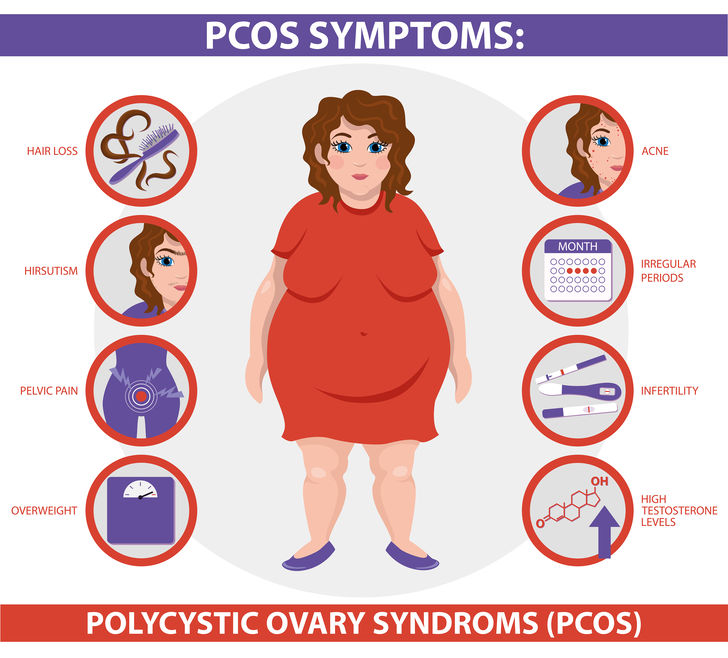
The clinical presentation of PCOS is diverse, making early detection challenging. Common physical indicators include the cessation or irregularity of the menstrual cycle, the development of thick hair growth on the face, and changes in the tone of the voice. These symptoms are often the result of hormonal imbalances that affect the body’s endocrine system.
Beyond the visible signs, the psychological toll is significant. Some patients have reported experiencing a constant sense of depression and sadness that accompanies the syndrome. In some cases, these symptoms appear at a highly young age; for instance, some women have noted the onset of the condition as early as age 15, though they may not have recognized the medical cause at the time Shafaq News.
Weight management is another critical factor associated with the syndrome. Up to 80% of women with PCOS experience weight gain or obesity Dr. Nermeen Salehin. This is not merely a result of diet or lack of exercise, but is tied to deeper metabolic causes that build maintaining a healthy weight difficult despite active efforts.
Common Indicators of PCOS
- Menstrual Irregularities: Frequent absence of periods or irregular cycles.
- Hirsutism: Excessive hair growth on the face and other unwanted areas of the body.
- Skin Changes: Increased occurrence of acne and oily skin.
- Metabolic Shifts: Difficulty maintaining a healthy weight and a tendency toward obesity.
- Emotional Distress: Persistent feelings of depression or mood swings.
Treatment Approaches and Management Challenges
Managing PCOS typically involves a combination of hormonal regulation and lifestyle adjustments. In some instances, physicians prescribe contraceptives to help regulate hormones and stabilize the menstrual cycle. However, the effectiveness of these treatments varies significantly between patients, and some report that such medications do not achieve the desired results.
The hereditary nature of the disease is also a key factor. Medical professionals have noted that the syndrome often has a genetic component and may persist throughout a woman’s life, requiring long-term management rather than a one-time cure Shafaq News.
Lifestyle interventions are often recommended to support medical treatment. This includes managing metabolic health to address the weight gain associated with the condition. Some health guidance suggests that dietary changes and metabolic support are essential for improving hormonal balance and reducing the long-term complications of the syndrome.
The Broader Impact on Women’s Health in Iraq
The rising prevalence of polycystic ovary syndrome in Iraq highlights a need for greater public health awareness and specialized care. Due to the fact that the symptoms can be “hidden” or mistaken for other issues, many women suffer in silence, dealing with both the physical manifestations and the accompanying psychological trauma.

The social stigma associated with symptoms like facial hair growth or voice changes can exacerbate the depression linked to the condition. This creates a cycle where physical health issues lead to mental health struggles, which in turn can make it more difficult for patients to adhere to long-term treatment plans.
For women in Iraq, the path to recovery involves not only medical intervention but also psychological support to manage the emotional burden of a lifelong condition. Increasing the availability of endocrine specialists and mental health professionals is vital to addressing this growing health trend.
Key Takeaways for Patients
- PCOS is a complex hormonal disorder that can affect both physical appearance and mental well-being.
- Early symptoms may appear during adolescence, often manifesting as irregular periods or mood changes.
- Weight gain is a common metabolic symptom, affecting a vast majority of those with the syndrome.
- Treatment is often long-term and may include hormonal therapy, though results vary by individual.
- Psychological support is as crucial as medical treatment due to the high prevalence of associated depression.
As the medical community in Iraq continues to monitor the increase in PCOS cases, the focus remains on improving early diagnosis and providing comprehensive care that addresses both the endocrine and emotional needs of affected women.
We encourage readers to share their experiences or questions in the comments below to help raise awareness about this condition. Please share this article with others who may find this health information useful.