
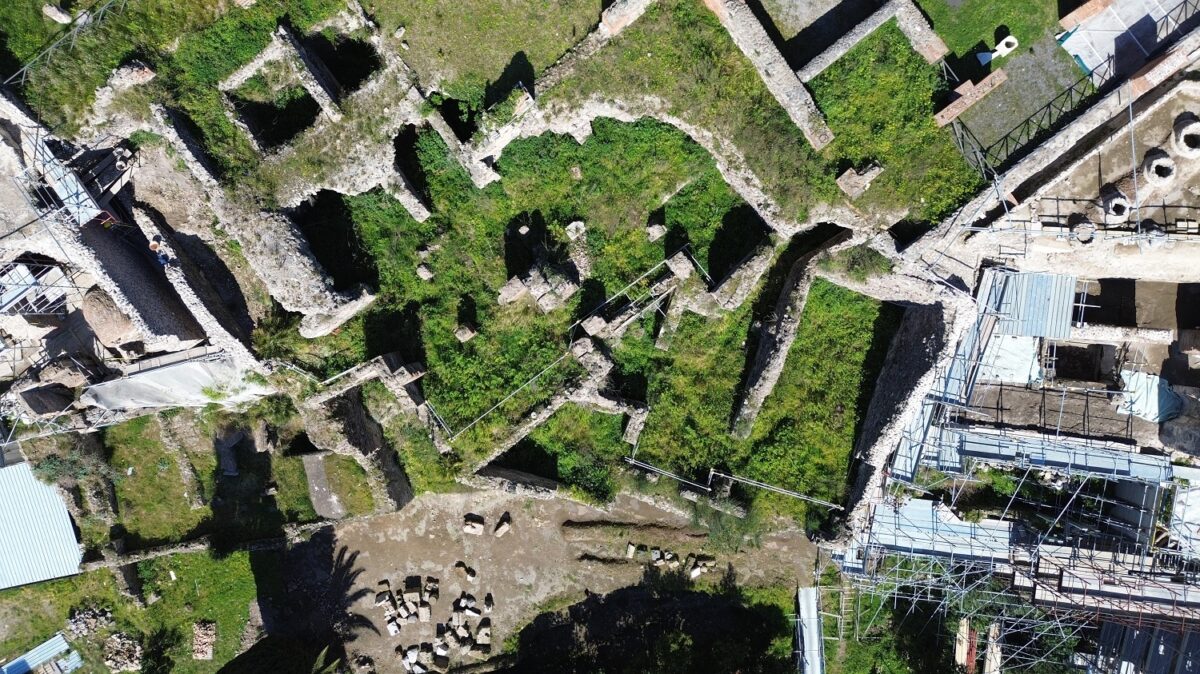
The Enduring Mystery of Pompeii: Life After the Eruption
Pompeii, frozen in time by the catastrophic eruption of Mount Vesuvius in A.D. 79, continues to reveal secrets about Roman life – and what happened after the ash settled. For centuries, historians have pondered not just the devastation, but the fate of those who survived. Recent archaeological discoveries are shedding new light on how people attempted to rebuild their lives in the shadow of the volcano.
A City Interrupted: Initial Impact and Survival
The eruption was swift and brutal. Estimates suggest Pompeii and nearby Herculaneum were home to around 25,000 people before the disaster. However, pinpointing the exact number of deaths remains a challenge.Currently, archaeologists have uncovered the remains of approximately 1,300 individuals within the excavated two-thirds of Pompeii. It’s likely many more perished outside the city walls, and the unexcavated portion of Pompeii could significantly alter these figures.
Reclaiming a buried City: Early Attempts at Re-occupation
Surprisingly, Pompeii wasn’t entirely abandoned immediately after the eruption. People did return. However, they didn’t rebuild in the customary sense. Instead, they cleverly adapted what remained.
Researchers have found evidence that returning individuals transformed the lower floors of buildings buried under ash into cellars.These spaces provided shelter and storage, representing a pragmatic attempt to salvage a life amidst the ruins.
Where Did the Survivors Go?
Many survivors didn’t return to Pompeii at all. Previous research indicates that a notable number relocated to other coastal communities in southern Italy.
These included settlements like:
Cumae
naples
ostia
Puteoli
These towns offered a fresh start for those displaced by the volcanic disaster.
A Slow Decline and eventual Abandonment
Despite these initial efforts, Pompeii never fully recovered its former glory. The city gradually declined over the centuries. By the fifth century A.D., it was ultimately abandoned.
It’s possible another volcanic eruption in A.D. 472 prompted a final exodus. However, further inquiry is needed to confirm this theory.
The Unanswered Questions
ultimately, the full story of Pompeii’s survivors - how many lived, where they went, and why the city was ultimately left to ruin – remains incomplete. While archaeological work continues to unveil new clues, some mysteries may forever remain buried beneath the ash.
You can appreciate the resilience of the human spirit, even in the face of unimaginable tragedy, as you consider the enduring legacy of Pompeii. It serves as a powerful reminder of both the destructive force of nature and the enduring hope for renewal.

![EnCharge Analog AI Chip: Low Power, High Precision | [Year] Update](https://i0.wp.com/spectrum.ieee.org/media-library/image.jpg?resize=150%2C150&ssl=1 "EnCharge Analog AI Chip: Low Power, High Precision | [Year] Update")



![Samsung TV & Appliance Deals: Save Big Now | [Year] Sales & Discounts](https://i0.wp.com/knowtechie.com/wp-content/uploads/2025/12/samsung-holiday-sale-1000x600.jpg?resize=150%2C100&ssl=1 "Samsung TV & Appliance Deals: Save Big Now | [Year] Sales & Discounts")
