
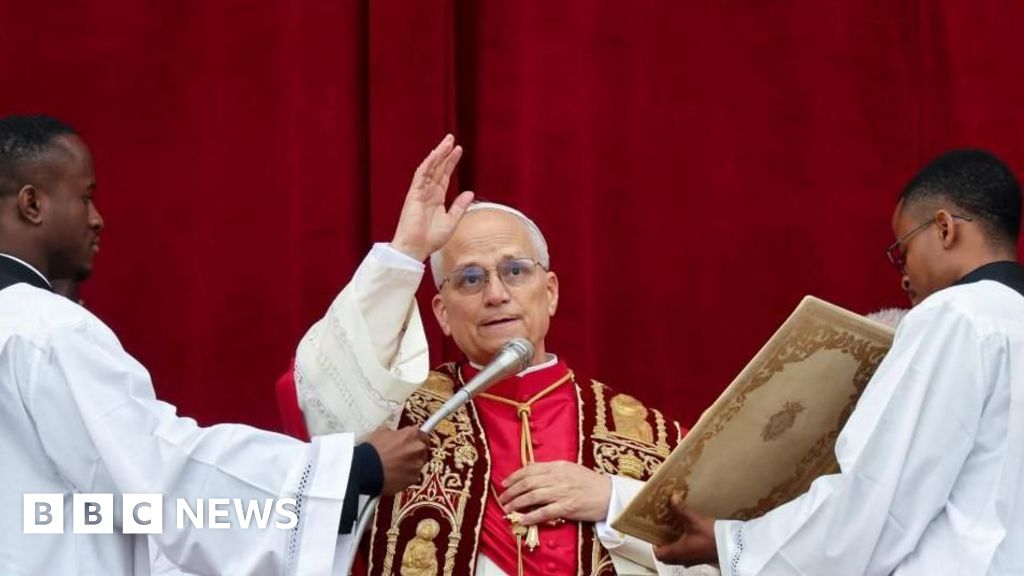
Pope Leo‘s Christmas Plea: A Call for Dialog Amidst Global Conflicts
Pope Leo delivered a powerful Christmas message today, urging direct negotiations between Ukraine adn Russia to end the ongoing war. his annual Urbi et Orbi address, traditionally given on christmas Day, extended beyond Ukraine to encompass a broader call for peace across the globe, highlighting the suffering in Gaza, Southeast asia, and among vulnerable populations worldwide. This message arrives at a critical juncture, as international efforts to broker a ceasefire in Ukraine continue, though direct talks between the warring nations remain elusive.
The Urgent Need for Direct Dialogue in Ukraine
The Pope’s central appeal focused on Ukraine, emphasizing the necessity for both sides to demonstrate “the courage to engage in sincere, direct and respectful dialogue.” He specifically called for this dialogue to occur “with the support and commitment of the international community.” This isn’t simply a hopeful wish; it’s a recognition that lasting peace requires direct engagement,moving beyond mediated negotiations.
You might be wondering why direct talks haven’t materialized despite ongoing diplomatic efforts.Currently, the United States is leading attempts to forge an agreement acceptable to both Ukraine and Russia.However,these efforts have,so far,not resulted in face-to-face discussions between Ukrainian and Russian representatives. The Pope’s intervention underscores the limitations of indirect negotiation and the potential benefits of a more direct approach.
Beyond Ukraine: A global Landscape of Conflict
Pope Leo’s Christmas message wasn’t limited to the crisis in Ukraine. He also addressed other regions grappling with conflict and instability:
* Thailand and Cambodia: He expressed concern over recent border clashes, despite a ceasefire agreement reached in July.He appealed for the restoration of the “ancient friendship” between these nations and a renewed commitment to reconciliation.
* Gaza: The Pope powerfully highlighted the dire humanitarian situation in Gaza, devastated by the ongoing conflict triggered by Hamas’s attack on Israel on October 7, 2023. He specifically drew attention to the plight of displaced palestinians facing harsh winter conditions.
* Vulnerable Populations: He lamented the conditions faced by homeless people globally and the widespread damage caused by conflicts, emphasizing the fragility of life in war-torn regions.
The crisis in Gaza: A Winter of Desperation
The situation in Gaza is notably acute. Over 2.1 million people - nearly the entire population – have been displaced, with homes damaged or destroyed. Winter storms are exacerbating the suffering, leaving families exposed to the elements.
The Pope’s question – “How,then,can we not think of the tents in Gaza,exposed for weeks to rain,wind and cold?” – is a poignant reminder of the human cost of conflict. Aid agencies are urgently calling for increased access to Gaza to deliver essential supplies, including tents and winter relief.
Israel’s Coordinator of Government Activities in the Territories (Cogat) maintains that aid is being delivered, citing the entry of over 310,000 tents and tarpaulins since October.Though, aid organizations continue to report meaningful obstacles to reaching those in need, raising concerns about the adequacy and efficiency of the aid distribution process. You can find more information on the humanitarian situation in Gaza from organizations like the UN Relief and Works Agency for Palestine Refugees (UNRWA).
A Message of hope and Human Connection
Pope Leo’s Christmas message,while acknowledging the grim realities of global conflict,ultimately offered a message of hope. He framed the birth of Jesus as a testament to God’s solidarity with humanity, “pitching his fragile tent” among the world’s people.
This message serves as a powerful reminder of our shared humanity and the moral imperative to work towards peace, justice, and compassion – especially for those most vulnerable. It’s a call to action for individuals, governments, and international organizations to prioritize dialogue, reconciliation, and humanitarian aid in the pursuit of a more peaceful world.


