
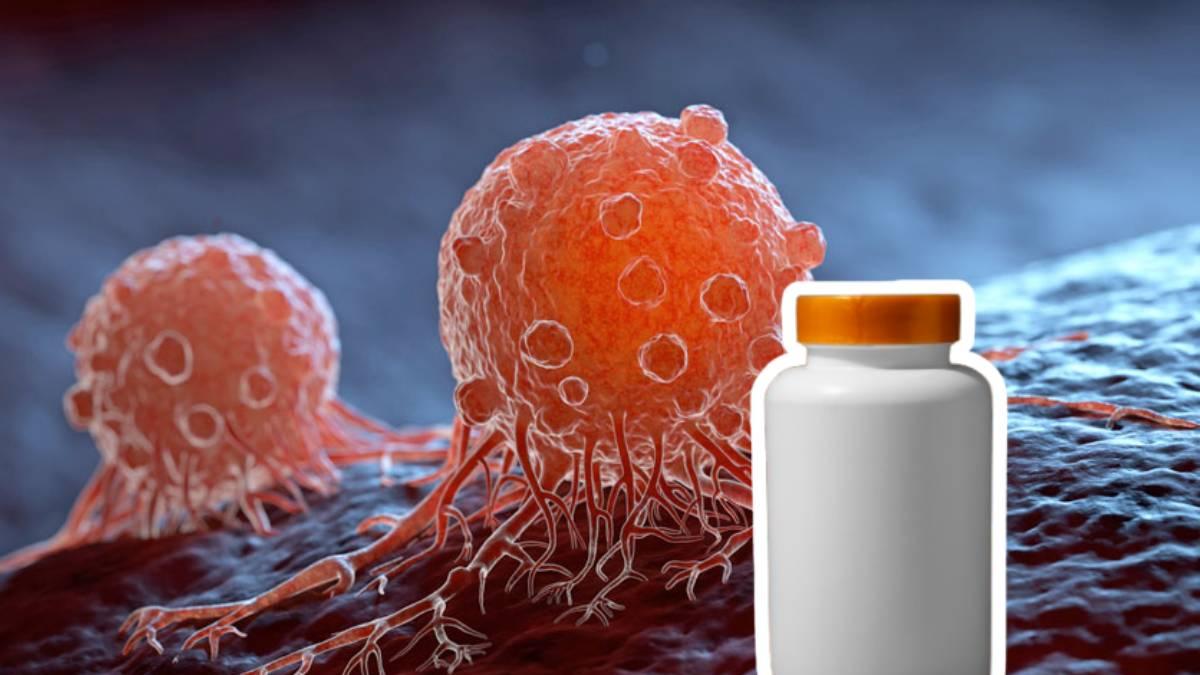
The widespread employ of glutathione, a popular antioxidant supplement, is facing renewed scrutiny following research suggesting it may inadvertently fuel the growth of cancer cells. While often touted for its health benefits, a growing body of evidence indicates that cancer cells can become “addicted” to glutathione, utilizing it as a primary energy source. This discovery, originating from studies at the University of Rochester’s Wilmot Cancer Institute, is prompting scientists to re-evaluate the role of this commonly consumed supplement and explore potential therapeutic strategies that target this metabolic vulnerability.
For years, glutathione has been promoted for its ability to combat oxidative stress, boost the immune system, and even slow the aging process. Available over-the-counter, it’s a staple in many wellness routines. However, the recent findings challenge this conventional understanding, suggesting that in certain contexts, particularly within the microenvironment of a tumor, glutathione may play a detrimental role. The research, published in the journal Nature, highlights a previously unappreciated aspect of cancer cell metabolism, opening new avenues for investigation into how tumors acquire and utilize nutrients.
How Cancer Cells Utilize Glutathione
The research team, led by Isaac Harris, discovered that cancer cells exhibit a unique ability to break down glutathione and convert it into energy. This process differs from how normal cells utilize the antioxidant. “Cancer cells and normal cells potentially utilize different sources of food,” Harris explained. “We discovered how cancer cells, specifically, decompose this antioxidant and use it as fuel.” This finding is significant because it suggests that inhibiting the ability of cancer cells to access and metabolize glutathione could potentially slow tumor growth. The study focused on identifying metabolic dependencies specific to cancer cells, aiming to exploit these vulnerabilities for therapeutic benefit.
The environment surrounding tumors is often nutrient-deprived, forcing cancer cells to adapt and find alternative energy sources. Glutathione, naturally produced by the body and readily available as a supplement, appears to be one such source. Researchers found that tumors actively consume glutathione, and blocking this access significantly reduced their growth rate in laboratory settings. This suggests that the antioxidant isn’t simply a harmless bystander, but an active participant in the cancer’s metabolic processes. The implications of this discovery are far-reaching, potentially impacting how we approach cancer treatment and prevention.
A Shift in Perspective on Glutathione
Historically, research on glutathione has largely focused on its protective properties – its ability to neutralize free radicals and prevent cellular damage. This has led to its widespread use as a dietary supplement and in various health products. However, the new research emphasizes a different side of the coin, revealing its potential to support cancer cell proliferation. “Perhaps we demand to reexamine the pantry of what cancer is eating and consider substances that we never imagined could serve as food for tumors,” Harris stated. This shift in perspective underscores the complexity of cancer metabolism and the need for a more nuanced understanding of how tumors interact with their environment.
The study also suggests that other complex metabolites may be playing similar roles in fueling cancer growth, potentially opening up an entirely new field of research. Researchers are now investigating other metabolic pathways and identifying potential targets for therapeutic intervention. This broader exploration of cancer metabolism could lead to the development of novel treatments that disrupt the tumor’s energy supply, effectively starving it and halting its growth. The University of Rochester team is actively pursuing these avenues of investigation, hoping to translate their findings into clinical applications.
Implications for Patients and Future Research
While the findings are promising, experts caution against immediately discontinuing glutathione supplementation. More research is needed to fully understand the implications for individuals with and without cancer. The effect of glutathione supplementation likely varies depending on the type of cancer, the stage of the disease, and individual patient characteristics. It’s crucial to consult with a healthcare professional before making any changes to your supplement regimen, especially if you have a history of cancer or are currently undergoing treatment.

The current research primarily focuses on laboratory studies and animal models. Clinical trials are necessary to determine whether these findings translate to humans and to assess the safety and efficacy of strategies aimed at blocking glutathione metabolism in cancer patients. Researchers are exploring various approaches, including the development of drugs that specifically inhibit the enzymes involved in glutathione breakdown and the use of dietary interventions to limit glutathione availability. These efforts are aimed at selectively targeting cancer cells while minimizing harm to healthy tissues.
Ongoing Investigations and Potential Therapies
Several research groups are now building upon these initial findings, investigating the role of glutathione in different types of cancer and exploring potential therapeutic strategies. One area of focus is identifying biomarkers that can predict which patients are most likely to benefit from interventions targeting glutathione metabolism. This personalized approach could help to tailor treatment plans and maximize their effectiveness. Researchers are also investigating the potential of combining glutathione-targeting therapies with existing cancer treatments, such as chemotherapy and radiation therapy, to enhance their efficacy.
The discovery that cancer cells can become “addicted” to glutathione has sparked a renewed interest in metabolic therapies for cancer. These therapies aim to disrupt the tumor’s metabolic processes, depriving it of the energy and building blocks it needs to grow and survive. While still in the early stages of development, metabolic therapies hold promise as a novel approach to cancer treatment, particularly for cancers that are resistant to conventional therapies. The ongoing research on glutathione metabolism is a key component of this broader effort to develop more effective and targeted cancer treatments.
The body naturally produces glutathione, and its role in cellular health is complex. The recent findings do not negate the importance of glutathione in overall health, but rather highlight the need for a more nuanced understanding of its effects in the context of cancer. It’s important to remember that correlation does not equal causation, and further research is needed to establish a definitive link between glutathione supplementation and cancer progression. However, the current evidence warrants caution and encourages a thoughtful approach to glutathione supplementation, particularly for individuals at risk of or diagnosed with cancer.
The implications of this research extend beyond the realm of cancer treatment. Understanding how cancer cells adapt to nutrient-deprived environments and exploit alternative energy sources could also inform strategies for preventing cancer development in the first place. By identifying and targeting these metabolic vulnerabilities, researchers may be able to develop interventions that prevent cancer cells from gaining a foothold and initiating tumor growth. This proactive approach to cancer prevention could significantly reduce the burden of this devastating disease.
As research continues, it is crucial for healthcare professionals to stay informed about the latest findings and to provide patients with accurate and evidence-based information. Open communication between patients and their doctors is essential for making informed decisions about supplementation and treatment options. The ongoing investigation into the role of glutathione in cancer metabolism represents a significant step forward in our understanding of this complex disease and offers hope for the development of more effective and targeted therapies.
The next steps in this research involve larger-scale clinical trials to validate these findings in human populations. Researchers are also working to identify specific genetic mutations that may predispose cancer cells to glutathione dependence, allowing for more personalized treatment strategies. Continued investigation into the metabolic vulnerabilities of cancer cells promises to unlock new avenues for prevention and treatment, ultimately improving outcomes for patients worldwide.
What are your thoughts on this new research? Share your comments below, and please share this article with anyone who might find it informative.