Jimmy Kimmel Suspension Sparks Free Speech Debate: A Deep Dive into the Controversy
The suspension of Jimmy Kimmel’s late-night show,”Jimmy Kimmel Live!”,has ignited a fierce debate over free speech,media responsibility,and the role of the Federal Communications Commission (FCC). The situation unfolded rapidly after Kimmel made comments regarding the assassination of conservative activist Charlie Kirk, prompting swift action from both ABC and Nexstar Communications Group. This article provides a complete analysis of the events, the key players involved, and the broader implications for political discourse in the United States.
The Spark: Kimmel’s Comments and Immediate Fallout
During his monologue on “Jimmy Kimmel Live!” this week, veteran comedian Jimmy Kimmel addressed the reaction to Charlie Kirk’s assassination. He stated that “many in MAGA land are working very hard to capitalize on the murder of Charlie Kirk.” This comment, and subsequent remarks, drew immediate criticism.
Nexstar Communications Group, which operates 23 ABC affiliates, announced it would pull Kimmel’s show starting wednesday. ABC described the show as being “pre-empted indefinitely.” Andrew Alford,president of Nexstar’s broadcasting division,deemed Kimmel’s comments “offensive and insensitive at a critical time in our national political discourse.”
President Donald Trump publicly celebrated ABC’s decision on Truth Social, stating, “Congratulations to ABC for finally having the courage to do what had to be done.”
The Core of the Controversy: Accusations of Misinformation
The controversy centers around Kimmel’s suggestion that the alleged assassin, Tyler Robinson, might have been a pro-Trump Republican. He accused the “MAGA Gang” of attempting to distance Robinson from their political ideology and exploit the tragedy for political gain.
FCC Chairman Brendan Carr strongly condemned Kimmel’s statements, calling them “truly sick.” He asserted the FCC has a strong case for holding Kimmel, ABC, and Walt Disney Co.accountable for allegedly spreading misinformation. Carr specifically accused Kimmel of intentionally misleading the public into believing Kirk’s assassin was a right-wing supporter.
Carr emphasized the seriousness of the situation, stating on the Benny Johnson podcast, “This is a very, very serious issue right now for disney.” He suggested Disney could address the issue by taking action against Kimmel or face further scrutiny from the FCC.
A clash of Principles: Free Speech vs. Responsibility
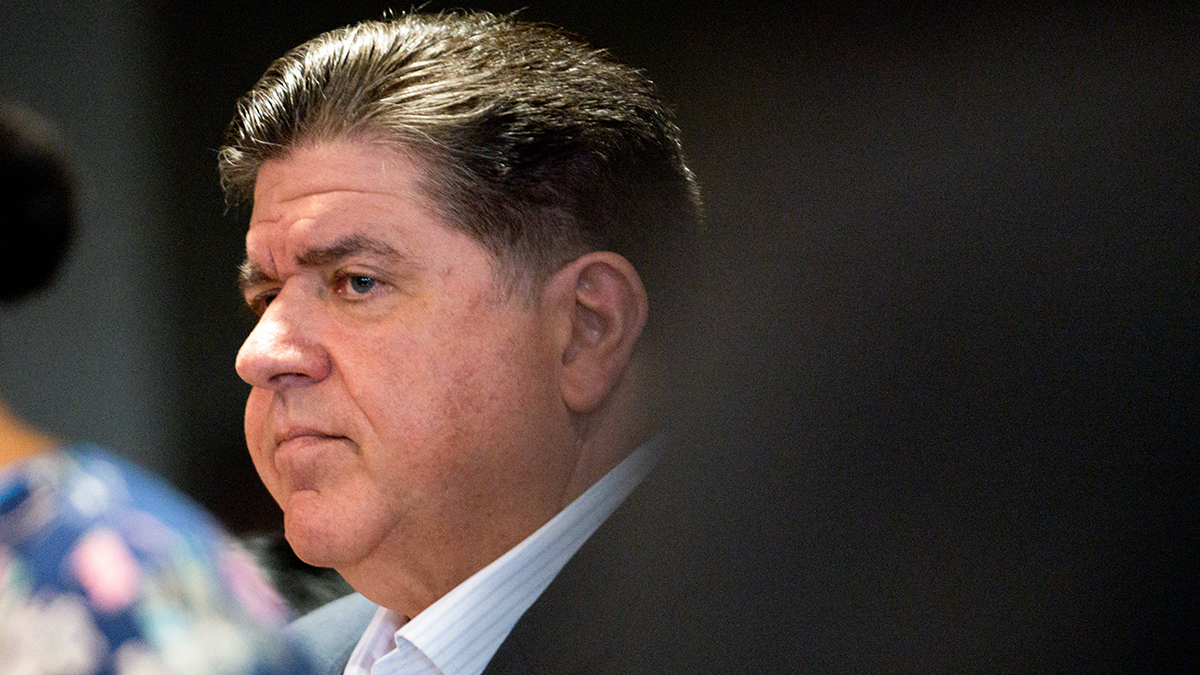
The situation has quickly become a flashpoint in the ongoing debate about the limits of free speech. Illinois Governor JB Pritzker swiftly defended Kimmel, stating on X (formerly Twitter): “A free and democratic society cannot silence comedians because the president doesn’t like what they say.” He labeled the actions an “attack on free speech” and called on elected officials to push back.
Interestingly, Pritzker highlighted a 2023 social media post from FCC Chairman Carr himself. In that post, carr argued, “Free speech is the counterweight… It is the check on government control. That is why censorship is the authoritarian’s dream.” This apparent contradiction has fueled criticism of Carr’s current stance.
Understanding the FCC’s Role and Potential Actions
the FCC regulates interstate and international communications by radio, television, wire, satellite, and cable. While the First Amendment protects free speech,the FCC has the authority to regulate broadcasting licenses based on certain standards.
Here’s a breakdown of potential FCC actions:
* Inquiry: The FCC could launch a formal investigation into ABC and Disney regarding Kimmel’s comments.
* Fines: If the FCC determines violations occurred, it could impose financial penalties.
* License Renewal Challenges: The FCC could scrutinize ABC’s license renewal submission, potentially leading to restrictions or non-renewal.
* Policy Changes: This incident could prompt the FCC to revisit its policies regarding misinformation and political commentary on broadcast television.
However, any FCC action would likely face legal challenges, given the strong First Amendment protections afforded to speech.
What Does This Meen for You?
This controversy has broader implications for how political discourse is conducted and regulated in the media landscape. It raises critical questions:
* Where is the line between protected speech and harmful misinformation?
* What responsibility do broadcasters have to ensure accuracy in political commentary?
* Could this case set a precedent for increased FCC oversight of late-night comedy and political satire?
* How will this impact your access to diverse perspectives and critical commentary?
###