
Teh Last Straw: Why Proprietary Charging Needs to End
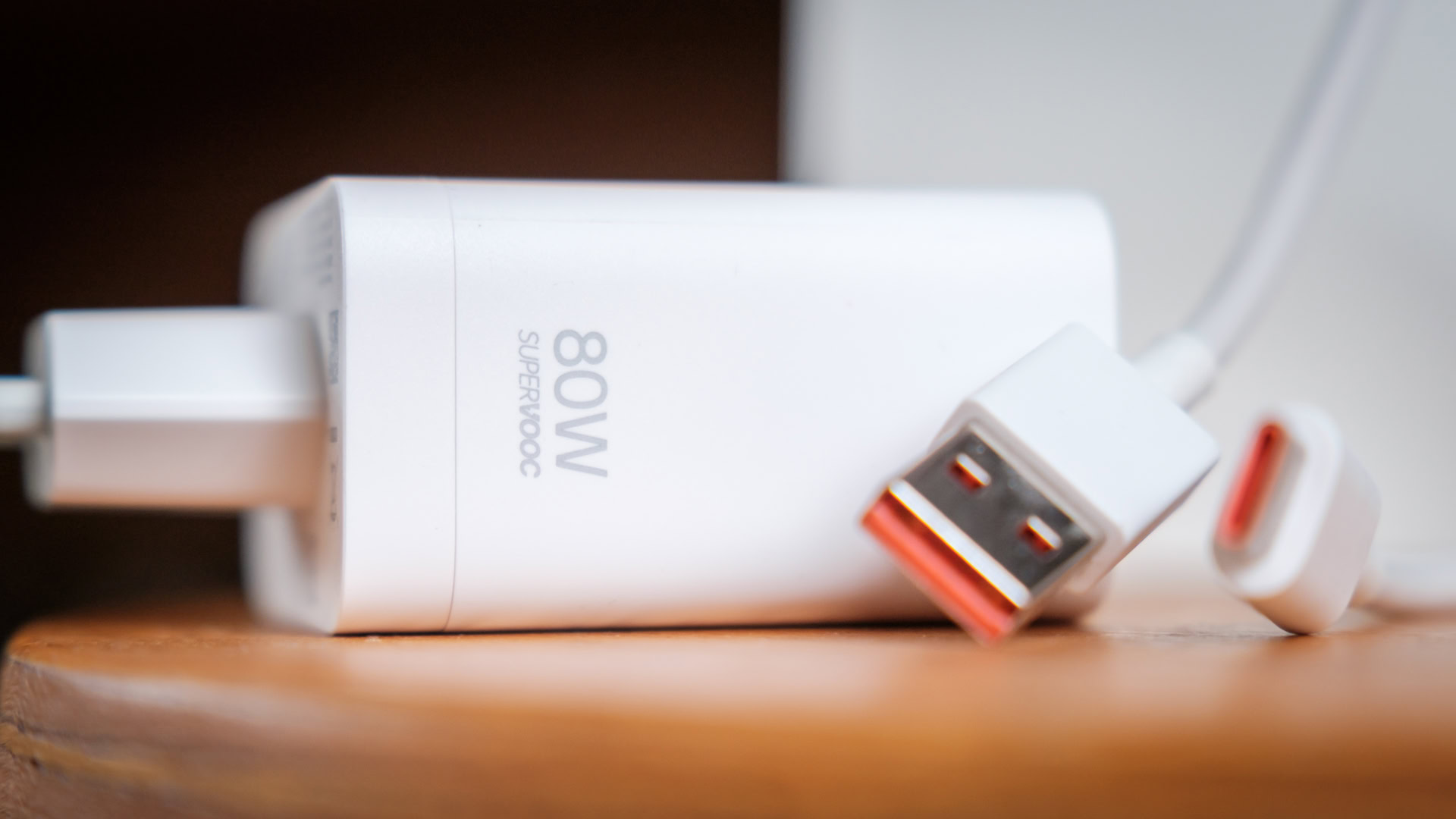
Accessory incompatibility is a frustrating reality for many. It’s time to state it plainly: proprietary charging standards have simply outlived their usefulness. for years, consumers have been burdened with a growing collection of cables, adapters, and chargers, all because manufacturers couldn’t agree on a universal standard.This needs to change, and it needs to change now.
The Problem with Proprietary Charging
Let’s break down why this is such a persistent issue.Proprietary charging refers to the use of unique connectors and charging protocols specific to a single brand or device. This creates a cascade of problems for you, the user.
* Cable Clutter: You end up with a drawer full of cables – one for your phone, another for your tablet, yet another for your headphones, and so on.
* increased Costs: Replacing a lost or damaged proprietary cable can be expensive. You’re often forced to purchase directly from the manufacturer, eliminating the option of cheaper, third-party alternatives.
* Environmental Impact: The proliferation of different chargers contributes to electronic waste. More manufacturing means more resources consumed and more pollution generated.
* Inconvenience: Traveling becomes a logistical nightmare.Remembering to pack the correct charger for each device is a constant worry.
* Slow Adoption of Standards: Even with the rise of USB-C, many companies continue to cling to their own standards, slowing down the transition to a truly universal solution.
The Rise (and Promise) of USB-C
Fortunately, a viable solution already exists: USB-C. This versatile connector offers several advantages.
* Universality: It’s becoming the standard for a wide range of devices, from smartphones and laptops to headphones and gaming consoles.
* Power Delivery: USB-C supports USB power Delivery (USB PD), allowing for faster charging speeds and the ability to power larger devices.
* Data Transfer: It also facilitates fast data transfer, making it easy to move files between devices.
* Reversibility: The connector is reversible, meaning you don’t have to fumble around trying to plug it in the right way.
Why the Holdout?
If USB-C is so great, why are some manufacturers still resisting? Several factors are at play.
* Revenue Streams: Selling proprietary chargers and cables generates significant revenue.
* Brand Differentiation: Some companies beleive that a unique charging port helps to distinguish their products.
* Legacy Investments: Switching to USB-C requires retooling manufacturing processes and possibly redesigning devices.
* Control: Proprietary systems allow manufacturers to exert greater control over the charging ecosystem.
the Future is Universal
Thankfully, regulatory pressure is mounting.The European Union has already mandated USB-C as the standard charging port for most electronic devices. This is a landmark decision that will benefit consumers and the environment alike. You can expect to see this trend spread globally.
It’s time for all manufacturers to embrace USB-C and abandon proprietary charging. You deserve a simpler, more convenient, and more enduring charging experience.The technology is available, the benefits are clear, and the time for change is now. Let’s move towards a future where one cable truly rules them all.





