
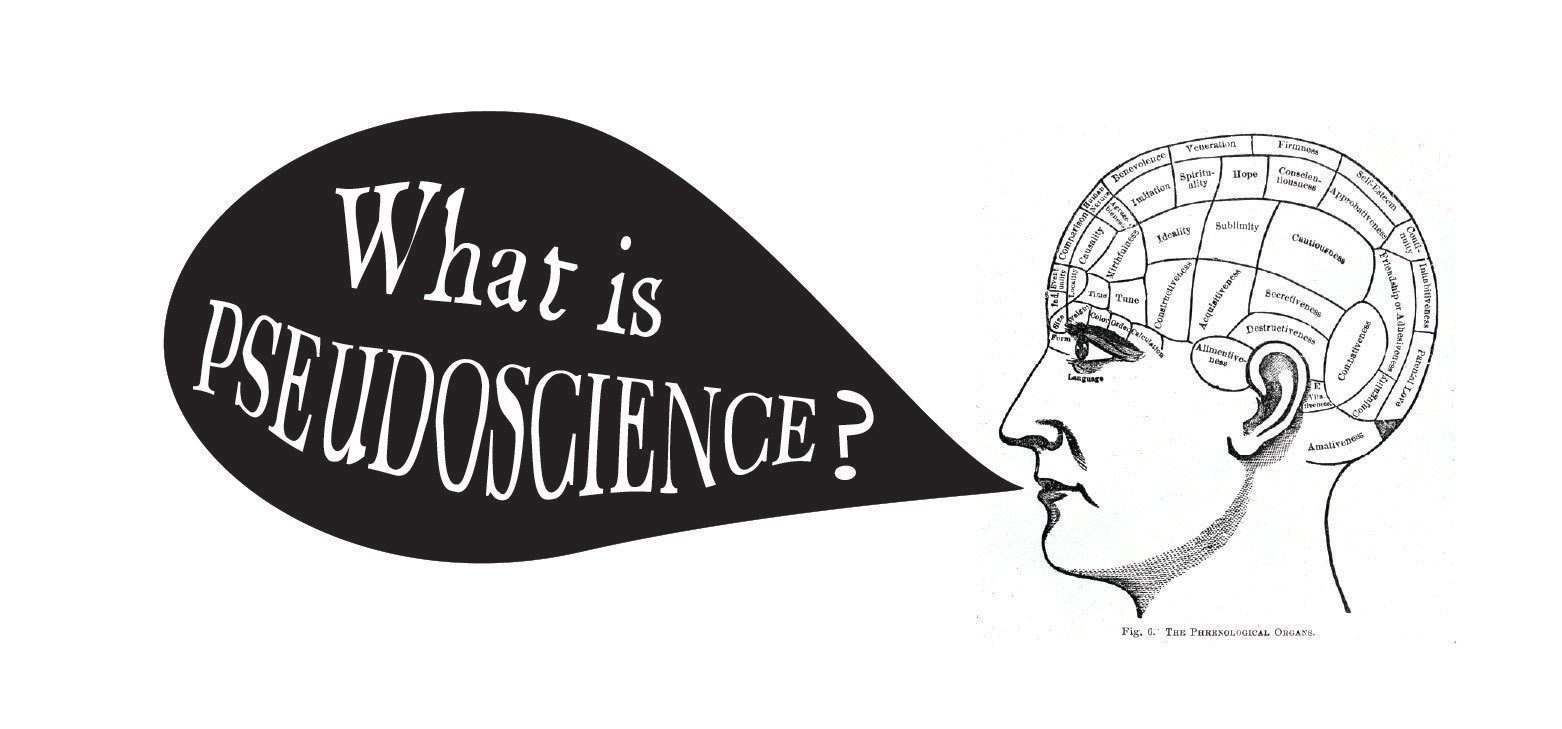
The Cornerstone of Scientific Validity: Evidence, rigor, and a healthy Dose of Skepticism
Science isn’t about unwavering certainty; itS a dynamic process of exploration and refinement. It’s a pursuit of understanding, built on a foundation of evidence and a commitment to challenging existing knowledge. But how do you distinguish genuine scientific inquiry from claims lacking a solid basis? Let’s explore the hallmarks of credible science and how to navigate the world of information with a critical eye.
The Power of Data-Driven Claims
It is indeed not enough to simply state something is true in science. A robust claim demands supporting data. Theories rooted in gut feelings, personal beliefs, or wishful thinking simply aren’t reliable. Science thrives on objective observation and rigorous testing.
Building on a Foundation of Knowledge
Science is rarely a revolutionary, overnight shift. It typically builds incrementally on existing research, adding layers of understanding. New discoveries, even those that challenge established theories, are tethered to a long history of evidence-based findings. Consequently,a radical departure from accepted science requires an exceptionally strong body of evidence to be considered credible.Consider these key distinctions:
Cumulative vs. Isolated: Genuine scientific advancements integrate with existing knowledge, while isolated claims often lack context.
Models Reality vs. Creates a Narrative: Science aims to explain the natural world, whereas narratives can be crafted to persuade or promote a specific agenda.
The Pursuit of Truth, Not Confirmation
Science actively seeks to explain the natural world, acknowledging the possibility of errors, corrections, and even complete revisions. If a theory’s primary purpose is to push an agenda, sell a product, or provide a simplistic answer to a complex problem, it’s likely constructing a narrative rather than uncovering a truth.
Embracing Uncertainty and the Scientific Method
Science, and the scientific method, strives to approach “truth,” but always with a willingness to be corrected. This can be frustrating,especially when seeking clear answers about notable issues like healthcare. You might encounter phrases like “it seems as if” or “data suggests,” rather than definitive statements.
this isn’t a sign of weakness; it’s science at its best. It’s a demonstration of skepticism, a commitment to ongoing examination, and a recognition that our understanding is always evolving.
Navigating Pseudoscience: Protecting Yourself
What do you do when confronted with questionable claims in your professional or personal life? How do you ensure you’re accessing the most trustworthy information? Here are some strategies:
Seek Original Sources: Look for peer-reviewed studies published in reputable scientific journals.
Evaluate the Source: Consider the author’s credentials, affiliations, and potential biases.
Look for Consensus: Is the claim supported by a broad consensus within the scientific community?
Be Wary of Sensationalism: Claims that sound too good to be true frequently enough are.
* question Everything: A healthy dose of skepticism is your best defense against misinformation.
Ultimately, becoming a discerning consumer of information is crucial in today’s world. By understanding the principles of scientific validity and employing critical thinking skills, you can navigate the complexities of information and make informed decisions based on evidence, not just belief.






