The Remarkable Evolution of Magic Mushroom Compounds: New Insights into Psilocybin‘s Origins and Potential
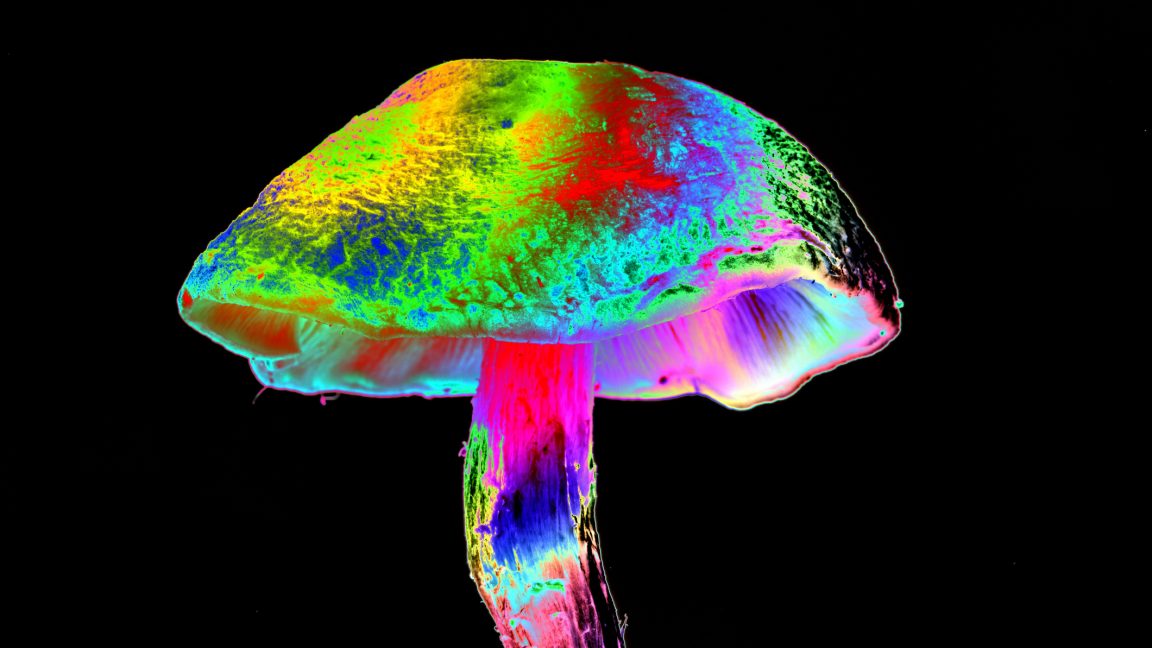
For millennia, humans have utilized magic mushrooms in spiritual ceremonies and for their mind-altering effects. Now, groundbreaking research reveals a interesting twist in their story: these mushrooms independently evolved the ability to produce psilocybin, the compound responsible for their psychoactive properties, twice. This discovery isn’t just a biological curiosity; it has significant implications for understanding the role of these fungi in nature and unlocking their potential for medical breakthroughs.
Understanding Psilocybin and its History
when you ingest magic mushrooms, your body converts psilocybin into psilocin, the active substance that affects your brain. Psilocybin gained prominence in the 1960s, but its journey was quickly curtailed.
* In 1970, the U.S. classified it as a Schedule 1 drug, reserved for substances with high abuse potential and no accepted medical use.
* The UK followed suit in 1971, designating it a Class A drug.
These classifications effectively halted research into psilocybin’s therapeutic benefits for decades.
A Resurgence of Medical interest
Fortunately, recent clinical trials are changing that narrative. Studies demonstrate psilocybin can significantly reduce the severity of:
* Depression
* Suicidal thoughts
* Chronic anxiety
This promising potential has sparked renewed interest in how psilocybin is created naturally and how we can sustainably produce it for medical applications. You can find more data on this emerging field here. Recent studies also suggest lasting relief from depression with magic mushroom treatment.
The discovery of Convergent Evolution
A new study, led by Dirk Hoffmeister at Friedrich Schiller University Jena, has unveiled a surprising mechanism behind psilocybin production. Researchers discovered that mushrooms can synthesize psilocybin through two distinct biochemical pathways, utilizing different enzymes. This finding, detailed here,also provided a novel method for creating psilocybin in a laboratory setting.
The key takeaway? Enzymes from two unrelated mushroom species evolved independently to create the same compound. This phenomenon is called convergent evolution.
What is Convergent evolution?
Convergent evolution occurs when unrelated organisms independently develop similar traits. Think of caffeine: coffee, tea, cacao, and guaraná plants all evolved the ability to produce this stimulant through separate evolutionary routes.
interestingly, this is the first documented instance of convergent evolution within the fungal kingdom. The two mushrooms studied - Inocybe corydalina (the greenflush fibrecap) and Psilocybe species (conventional “magic mushrooms”) - have vastly different lifestyles.
* Inocybe corydalina forms symbiotic relationships with tree roots.
* Psilocybe mushrooms thrive on decaying organic matter like wood, grass, and dung.
Despite these differences, both independently arrived at the same solution for producing psilocybin.
Why Does this Matter?
Understanding how mushrooms create psilocybin isn’t just an academic exercise. It offers valuable insights into:
* The ecological role of psilocybin: What purpose does this compound serve for the mushrooms themselves?
* Sustainable production: The discovery of option enzymatic pathways could lead to more efficient and environmentally friendly methods for producing psilocybin for medical use.
* Further research: This finding opens new avenues for exploring the potential of psilocybin and related compounds in treating a range of mental health conditions.
As research continues, we are only beginning to scratch the surface of understanding the complex world of fungi and their potential to benefit human health. This discovery underscores the importance of continued investigation into these remarkable organisms.




![Refurbished iPhone: Buy Smart & Avoid Scams | [Year] Guide](https://i0.wp.com/photos5.appleinsider.com/gallery/56493-114970-iPhone-15-Pro-Cameras-xl.jpg?resize=330%2C220&ssl=1 "Refurbished iPhone: Buy Smart & Avoid Scams | [Year] Guide")
![Dell Pro 13: Review, Specs & Best Deals | [Year]](https://i0.wp.com/futurefive.co.nz/uploads/story/2025/12/24/compatible_Dell_Pro_13_00.jpg?resize=330%2C220&ssl=1 "Dell Pro 13: Review, Specs & Best Deals | [Year]")