
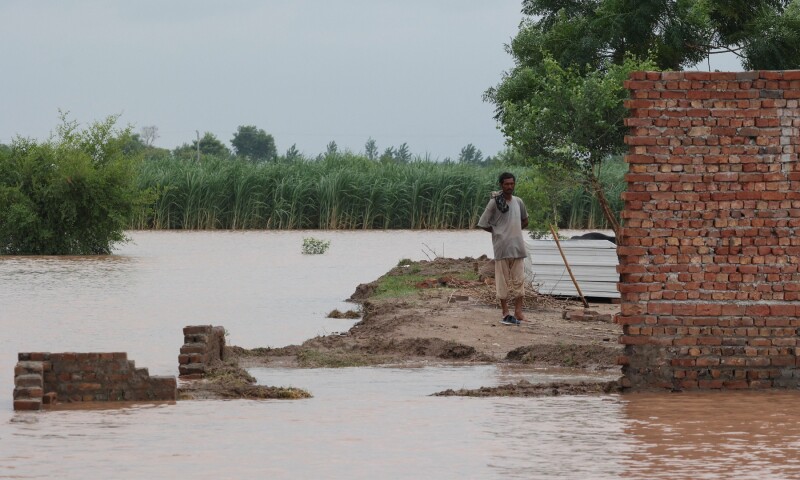
Pakistan’s Supply Chains Under Strain: Flooding Disrupts Goods Transport, Threatens Agricultural Output
Karachi, Pakistan – August 31st, 2025 - While Pakistan’s major motorways and highways remain operational, recent devastating floods in Punjab are creating significant disruptions to goods transportation across secondary routes, impacting supply chains and raising concerns about potential inflationary pressures. As a veteran observer of Pakistan’s logistics and economic landscape, I’ve seen firsthand how vulnerable our systems are to climate-related events, and the current situation demands immediate attention and proactive mitigation strategies.
Delays Beyond the motorways: A Growing Concern
Goods transporters are reporting delays of two to three days on routes excluding the motorway network. This impacts both inbound shipments from Karachi to Punjab and outbound consignments heading south.Under normal circumstances, these routes typically take two to three days for a round trip – a timeframe now being significantly extended. This isn’t simply an inconvenience; it’s a cost driver impacting businesses across the country.
Nisar Hussain Jafri, President of the All Pakistan Goods Transport Alliance, highlighted a critical issue: the lack of adequate diversion signage in flood-affected areas of Punjab. “Carriers are frequently reaching impassable points due to a lack of clear guidance,” Jafri explained. “Installing clear diversion signs isn’t just about convenience; it’s about saving valuable diesel, reducing wasted time, and minimizing disruption.” This is a practical, instantly actionable step that provincial administrations can take to alleviate the pressure on the transport sector.Fertilizer Supply Chain: A Critical Vulnerability
The situation is notably acute for fertilizer shipments. Executive Director of the Fertiliser Manufacturers of Pakistan Advisory Council (FMPAC), retired Brig Shershah Malik, confirmed that transport via flood-hit river corridors – specifically the Sutlej, Ravi, and Chenab – has been largely suspended. while motorway and highway movement remains stable for now,Malik cautioned that prolonged flooding will inevitably impact fertilizer availability and,consequently,agricultural yields.
“we anticipate the floodwaters will reach Multan within the next few days and possibly enter Sindh by September 6th,” Malik stated.”Once the water reaches sindh, we’ll have a clearer picture of the full extent of the damage and the long-term impact on the fertilizer supply chain.” currently,shipments to sales points in river corridor areas are halted,but the cessation of fertilizer application in those regions mitigates immediate shortages. However,this is a temporary reprieve.
Impact on Essential Goods & Broader Economic Implications
The ripple effects are already being felt in Karachi. Haji Shahjehan, President of the Falahi anjuman Wholesale Vegetable Market, reported a decline in onion supplies from Balochistan and potato supplies from cold storage facilities, directly attributable to the rains and floods.
While oil supplies remain uninterrupted according to Syed Nazir Abbas Zaidi, Secretary General of the Oil Companies Advisory Council (OCAC), he acknowledged the uncertainty of the coming days. Similarly, the Pakistan Pharmaceutical Manufacturers Association (PPMA) Chairman, Tauqeer-ul-Haq, reports no current disruptions to medical goods supply, but vigilance is paramount.
Beyond these specific commodities, the broader economic implications are significant. Insight Securities’ Mohammad Shahroz warns that the flooding poses a substantial risk to agricultural output and supply chains, potentially reigniting supply-side inflation. “It’s crucial to protect the current stabilization and strengthen the economic foundation before pursuing aggressive growth strategies,” Shahroz emphasized. His firm projects a headline inflation rate of 4.1% for August 2025, a significant enhancement over last year’s 9.6%, but anticipates a slight month-on-month increase of 0.4% due to anticipated food price increases, partially offset by lower electricity and LPG costs.
Looking Ahead: Proactive Measures are Essential
This situation underscores the urgent need for Pakistan to invest in resilient infrastructure and robust disaster preparedness plans. Here are key areas requiring immediate attention:
Improved Infrastructure: Investing in alternative transportation routes and upgrading existing infrastructure to withstand extreme weather events is critical.
Early Warning Systems: Strengthening flood warning systems and disseminating details effectively to transporters and the public is paramount.
Strategic Stockpiling: Maintaining strategic reserves of essential commodities, particularly fertilizers and food items, can buffer against supply disruptions.
Enhanced Coordination: Improved coordination between provincial governments, the national Disaster management Authority (NDMA), and the private sector is essential for a swift and effective response.
* Diversification of Supply Chains: Reducing reliance on





