
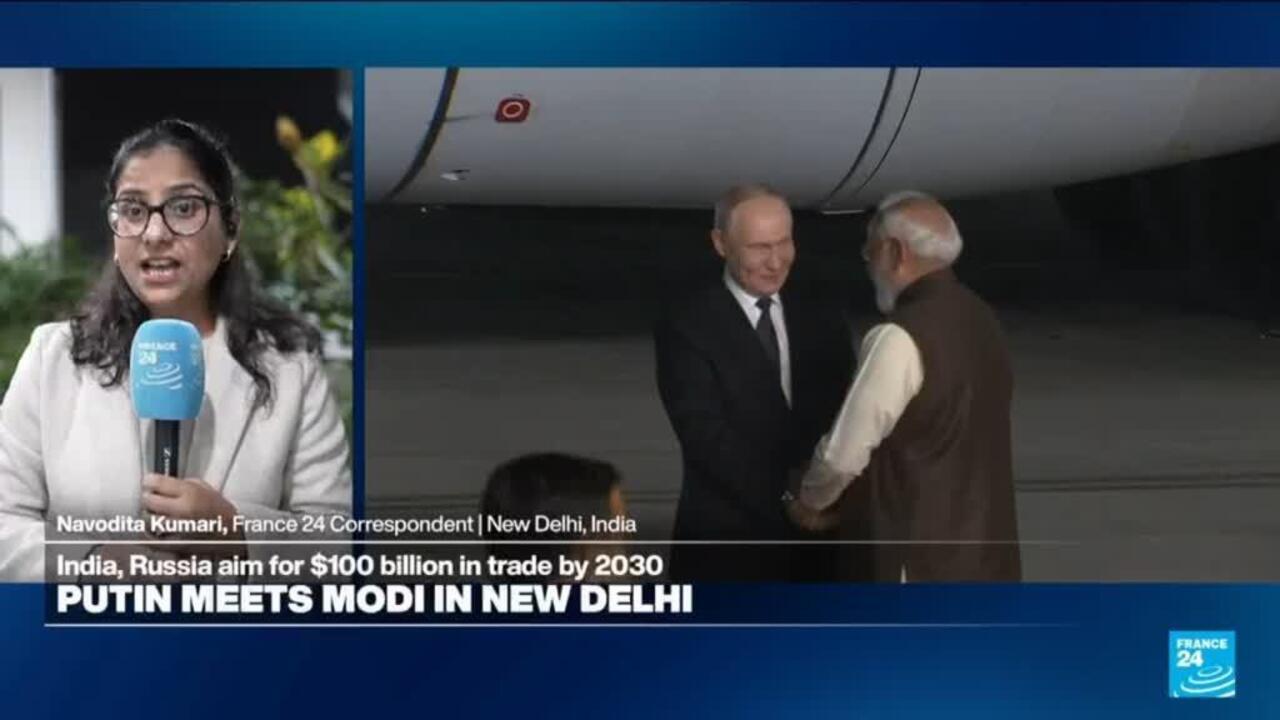
Strengthening the India-Russia Partnership: A Deep Dive into the Modi-Putin Summit
Vladimir Putin’s recent visit to New Delhi,marked by a warm reception and a clear break from protocol,signals a pivotal moment in the evolving relationship between India and Russia. This isn’t just a diplomatic courtesy; it’s a strategic alignment gaining momentum amidst a shifting global landscape. Understanding the nuances of this partnership - its economic drivers, geopolitical implications, and future trajectory – is crucial for anyone following international affairs. Are you curious about what this means for global trade and security?
The Foundations of a Robust Alliance
For decades, Russia has been a key defense partner for India, supplying a significant portion of its military hardware. This past reliance has fostered deep-rooted trust and collaboration. However, the relationship extends far beyond defense.Recent years have witnessed a growing focus on energy cooperation, trade diversification, and joint projects in areas like space exploration and nuclear energy.
according to a recent report by the Indian Ministry of Commerce and Industry (November 2023), bilateral trade reached a record $59.04 billion in 2022-23, and both nations are aiming to exceed $30 billion in trade by 2025.This demonstrates a clear commitment to strengthening economic ties.
Key Discussion Points at the Summit
The summit between Prime Minister Modi and President Putin covered a wide range of topics. Central to the discussions were:
* Energy Security: India relies heavily on Russian oil imports, benefiting from discounted prices. Discussions likely focused on securing long-term supply agreements and exploring new avenues for energy cooperation.
* Defense Collaboration: Continued supply of advanced weaponry, co-production of military equipment under the ‘Make in India’ initiative, and technology transfer were key areas of focus.
* Trade Diversification: Expanding trade beyond customary sectors like defense and energy, including pharmaceuticals, fertilizers, and agricultural products, was a priority.
* Arctic Cooperation: Joint research and exploration in the Arctic region, a strategically significant area with vast natural resources, were also on the agenda.
* Rupay-Mir Payment System: reviving the Rupee-ruble trade mechanism to bypass Western financial sanctions and facilitate smoother transactions.
Geopolitical Implications and Global Impact
The strengthening India-Russia alliance has significant geopolitical implications. It represents a counterbalance to the growing influence of other major powers and underscores the importance of multipolarity in international relations. This partnership also provides Russia with a crucial economic lifeline amidst Western sanctions.
Furthermore, India’s growing economic and strategic ties with Russia could influence its position on key global issues, such as the Ukraine conflict and the evolving dynamics in the Indo-pacific region. Do you think this partnership will reshape the global power balance?
The relationship isn’t without its complexities. Balancing ties with Russia while maintaining strong relationships with the United States and other Western nations requires careful diplomacy. India’s strategic autonomy is being tested, and its ability to navigate these competing interests will be crucial. Consider the implications of this balancing act for your own understanding of international politics.
Addressing Common Concerns: Sanctions and Future Prospects
A frequent question revolves around the impact of Western sanctions on the India-Russia relationship.while sanctions have presented challenges, both countries have demonstrated a willingness to find option mechanisms for trade and cooperation. The focus on Rupee-Ruble trade and


