
India and Russia: Navigating a Shifting Global Landscape
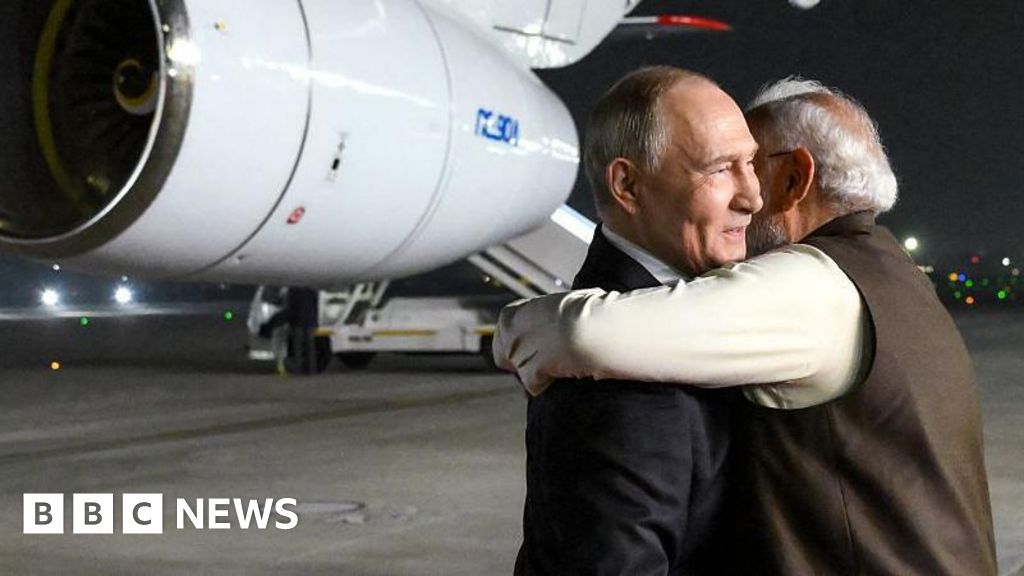
Prime Minister Narendra Modi is set to host Russian President Vladimir Putin, signaling a continued commitment to a crucial strategic partnership despite evolving geopolitical pressures. This meeting arrives at a pivotal moment, as both nations assess their defense, economic, and energy needs in a rapidly changing world.
India’s military heavily relies on Russian equipment. Approximately 60% of its armed forces’ hardware originates from Russia, and 29 of its air force squadrons operate Sukhoi-30 jets. Recent, limited clashes wiht Pakistan underscored the importance of Russian systems like the S-400 air defense network, while concurrently revealing areas needing urgent improvement.
strengthening Defense Ties & Addressing Supply Concerns
India is actively exploring options to bolster its defense capabilities. Reports indicate a strong interest in acquiring the advanced S-500 air defense system and the Su-57 fifth-generation fighter jet. This desire is fueled, in part, by pakistan’s recent purchase of the Chinese J-35 stealth fighter.
Though, Russia currently faces significant challenges. Western sanctions and the ongoing conflict in Ukraine have created critical component shortages, impacting production and delivery schedules. Deliveries of some S-400 units are now projected to be delayed until 2026.
You can expect Modi to seek firm assurances from Putin regarding timelines for existing and future defense orders. Maintaining a reliable supply of critical military equipment is paramount for India’s security.
Rebalancing Trade & Expanding Economic Opportunities
beyond defense, India aims to address a substantial trade imbalance with Russia. Currently, the relationship is heavily weighted towards Indian imports of Russian oil and defense materials. Modi will likely push for greater access for Indian products to the Russian market.
Consider these points highlighting the current situation:
* Indian exports to russia remain limited, with smartphones ($75.9 million), shrimp ($75.7 million), meat ($63 million), and garments ($20.94 million) representing only a small fraction of Russia’s retail and electronics sectors.
* Expanding Indian exports is crucial for a more balanced and lasting economic relationship.
* India envisions positioning its goods for increased market share, especially as Russia reintegrates into the global economy following the conflict in Ukraine.
The goal is to diversify trade beyond oil and defense, forging a partnership that strengthens ties with Russia while also allowing India to deepen its relationships with Western nations.
A Strategic Negotiation,Not a return to the Past
This meeting isn’t simply a revival of Cold War-era alliances. It’s a complex negotiation centered on managing risk, securing supply chains, and achieving economic independence. A prosperous outcome will guarantee continued access to essential oil and defense resources. An aspiring result could reshape regional economic dynamics.
ultimately, this visit represents a critical possibility for both India and Russia to redefine their partnership for the 21st century, navigating a world characterized by uncertainty and shifting power dynamics.



![Lou Reed, Ramones & Green Day: Inside Story of Music Producer [Name]](https://i0.wp.com/consequence.net/wp-content/uploads/2025/12/Howie-Klein-Lou-Reed.jpg?resize=330%2C220&ssl=1 "Lou Reed, Ramones & Green Day: Inside Story of Music Producer [Name]")


