NATO’s Steadfast Response to Putin’s Escalating Rhetoric: A Deep Dive
Vladimir Putin‘s recent assertive statements regarding Europe’s security have prompted a strong rebuttal from NATO Secretary General Mark Rutte, affirming the alliance’s commitment to defend its members. But what’s driving this renewed tension, and what does NATO’s “ready to do what it takes” stance truly mean for the current geopolitical landscape? This article will explore the context behind Putin’s confidence, analyze NATO’s preparedness, and offer insights into the potential implications for European security. We’ll also address common concerns and provide a clear understanding of the evolving situation.
Understanding Putin’s Assertiveness & NATO Airspace Concerns
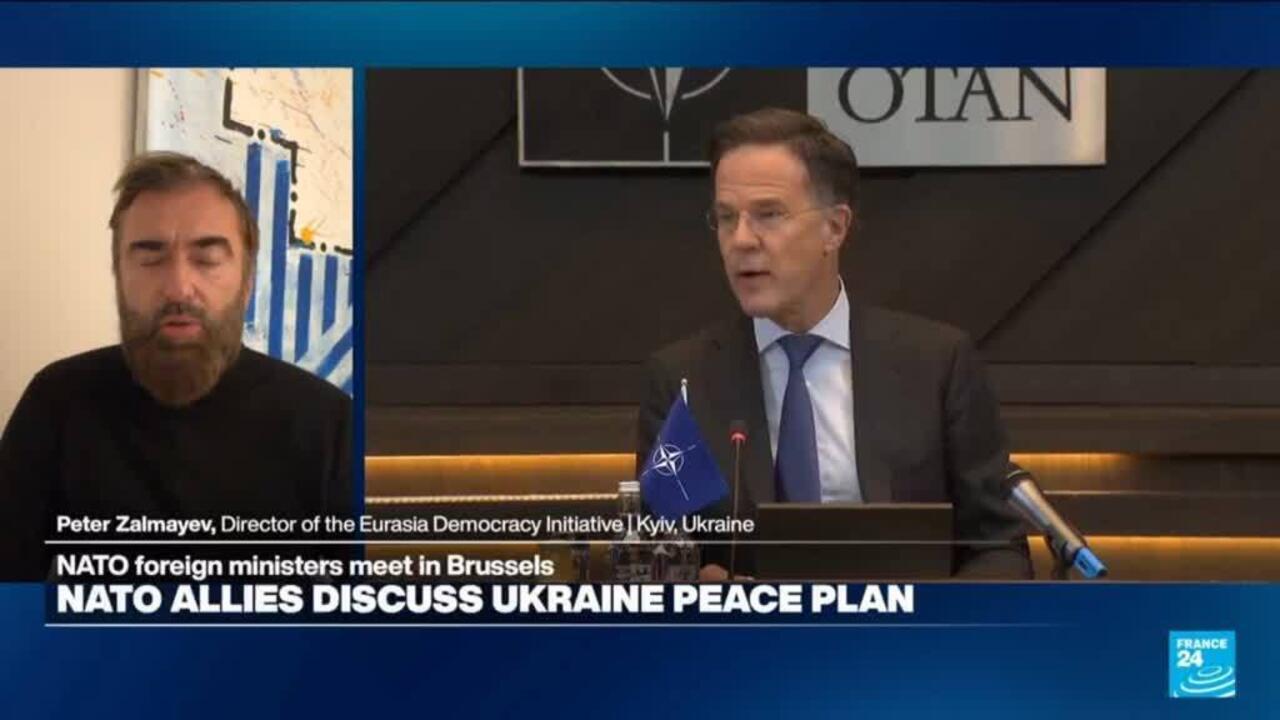
Recent comments from Putin suggest a heightened sense of confidence, fueled, in part, by what some perceive as a lack of robust international response to repeated incursions into NATO airspace. Peter Zalmayev, Founder and Director of the Eurasia Democracy Initiative, highlights this critical point – the absence of a firm reaction emboldens further probing. This isn’t simply about territorial violations; it’s a calculated strategy to test NATO’s resolve and identify vulnerabilities.
Consider the implications of these airspace violations. They serve as a form of gray zone warfare, operating below the threshold of outright conflict but designed to exert pressure and gather intelligence. This tactic, alongside increased military posturing and strategic interaction, forms a pattern of behavior that demands attention. Furthermore, the situation is complicated by the ongoing conflict in Ukraine and the broader context of Russia-NATO relations.
Are these actions merely displays of power, or do they signal a more aggressive intent? The answer likely lies somewhere in between, making a strong and unified response from NATO all the more crucial. Understanding Russian foreign policy is key to deciphering these moves.
NATO’s Response: Deterrence and Collective Defense
NATO’s response,as articulated by Secretary General Rutte,emphasizes readiness and a commitment to collective defense - the principle that an attack on one member is considered an attack on all. This isn’t a new stance, but it’s being reinforced with increased military exercises, enhanced forward presence, and a renewed focus on rapid reinforcement capabilities.
Here’s a breakdown of key elements in NATO’s strategy:
* Enhanced Vigilance: Increased air policing missions and monitoring of Russian military activity.
* Strengthened Deterrence: Deployment of additional forces to Eastern European member states.
* Rapid Reinforcement: Improving the speed and efficiency of deploying troops and equipment.
* Investment in Defense: Members are encouraged to meet the 2% of GDP spending target on defense. (According to a recent NATO report from November 2023, 18 of 31 allies are now meeting this goal, a notable increase from 2014.)
* Technological Advancement: Investing in cutting-edge technologies like advanced air defense systems and cyber capabilities.
This multifaceted approach aims to deter further aggression and reassure allies. However, it’s significant to acknowledge the challenges. maintaining unity among 31 member states, each with its own national interests and priorities, requires constant diplomatic effort. The effectiveness of deterrence also hinges on credible signaling – demonstrating both the capability and the will to respond.
Evergreen Section: The Evolution of NATO & Its Relevance Today
Founded in 1949, NATO has undergone significant transformations throughout its history. Initially established to counter the Soviet threat, the alliance adapted after the Cold War, expanding its membership and taking on new missions, including peacekeeping and counter-terrorism.Today, NATO faces a resurgent Russia and a complex array of security challenges, from cyberattacks to hybrid warfare.Its enduring relevance lies in its ability to provide a framework for collective defense,promote democratic values,and foster transatlantic cooperation. The alliance’s commitment to Article 5 – the cornerstone of collective defense - remains a powerful deterrent and a source of stability in a volatile world.
FAQ: Addressing Your Concerns About NATO & Russia