The heartbreaking Loss of Hugo McGregor: A Deep Dive into Birth trauma, hospital Accountability, and Infant Mortality
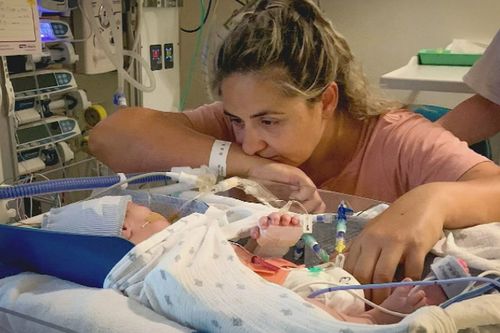
The story of Hugo McGregor, a Queensland baby who lived just five days, is a tragedy that resonates far beyond his family. His death, occurring in March 2023, is now under intense scrutiny during an inquest at the Townsville Coroners Court, revealing a cascade of medical complications and raising critical questions about the safety of maternity care in regional australia. But this isn’t simply one family’s devastating experience; it’s a symptom of systemic issues within hospital obstetrics and gynaecology services, demanding urgent attention and reform.
This article delves into the details of Hugo’s case, the concerning history of Mackay Hospital, the factors contributing to birth trauma, and the resources available for grieving families. We’ll explore what went wrong, what changes are needed, and how to navigate the incredibly tough journey of infant loss.
A Timeline of Tragedy: Hugo’s Short Life
Hugo McGregor was born on march 11, 2023. What should have been a moment of immense joy quickly turned into a nightmare. During labor,Hugo’s mother,jenna McGregor,was administered Syntocinon,a synthetic oxytocin used to accelerate contractions. This intervention led to a dramatic and alarming drop in the baby’s heart rate.
Doctors responded by attempting to slow contractions with Terbutaline, but the situation deteriorated, necessitating an emergency Cesarean section. Even during the C-section, further complications arose.Hugo was born without a heartbeat. Attempts to revive him using suction to clear his airway were hampered by malfunctioning equipment, forcing medical staff to promptly initiate CPR. Despite their valiant efforts,Hugo couldn’t be saved,and life support was withdrawn five days later.
This sequence of events raises crucial questions about protocol, equipment maintenance, and the speed of response to critical indicators during labor and delivery. Was the Syntocinon administered appropriately? Could the equipment malfunction have been prevented? These are the questions the inquest aims to answer.
A Hospital under Scrutiny: The 2022 Mackay Hospital Report
Hugo’s death isn’t an isolated incident. It occurred in the wake of a damning 2022 report detailing severe shortcomings in Mackay Hospital’s obstetrics and gynaecology services. The report, triggered by the deaths of three infants, identified 122 recommendations for improvement. These weren’t minor suggestions; they highlighted fundamental flaws in dialog, patient empathy, and overall hospital culture.
The report specifically called for systematic change, emphasizing the need for better teamwork, improved training, and a more compassionate approach to maternity care. A recent review by the Queensland Audit Office (released August 2024) found that while some progress has been made,full implementation of the recommendations is still ongoing.https://www.qao.qld.gov.au/system/files/content/reports/2024/24-31-mackay-hospital-maternity-services.pdf
This context is vital. Hugo’s case isn’t just about individual errors; it’s about a system struggling to provide safe and effective maternity care.
Understanding Birth Trauma and its Causes
Birth trauma, encompassing both physical and psychological harm to mother and baby, is a significant concern. Several factors can contribute, including:
* Prolonged or obstructed labor: This can lead to fetal distress and oxygen deprivation.
* Instrumental delivery (forceps or vacuum): While sometimes necessary,these methods carry risks of injury to both mother and baby.
* Emergency Cesarean sections: While life-saving, they are major surgeries with potential complications.
* Medical errors: Incorrect medication dosages, delayed interventions, or equipment malfunctions.
* Lack of adequate monitoring: Failure to detect and respond to signs of fetal distress.
* Communication breakdowns: Poor communication between medical staff and the patient.
Recent research published in The Lancet regional Health – Western pacific (November 2023) highlights the increasing incidence of birth trauma in australia, particularly in rural and remote areas, linked to limited access to specialized care and staffing shortages.[https://wwwthelancetcom/journals/lanwpc/article/PIIS1440-338[https://wwwthelancetcom/journals/lanwpc/article/PIIS1440-338[https://wwwthelancetcom/journals/lanwpc/article/PIIS1440-338[https://wwwthelancetcom/journals/lanwpc/article/PIIS1440-338


![Trump Golden Dome Deal: Small Tech Stock Soars | [Company Name] Shares Surge](https://i0.wp.com/static.euronews.com/articles/stories/09/29/61/21/1200x675_cmsv2_db8cea94-a8b4-5968-9377-d043a0b1a81e-9296121.jpg?resize=330%2C220&ssl=1 "Trump Golden Dome Deal: Small Tech Stock Soars | [Company Name] Shares Surge")