
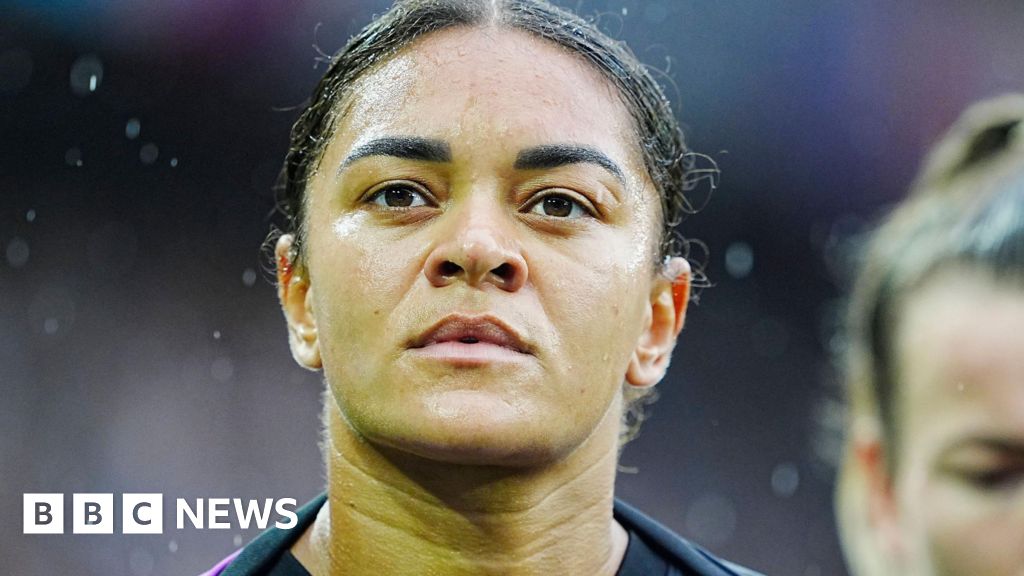
Confronting Online Racism in Football: The Jess Carter Case & Protecting Athletes
The digital age has sadly opened new avenues for hate, and sadly, professional athletes are increasingly targeted. The recent arrests in connection with the racist abuse directed at England footballer Jess Carter highlight a disturbing trend – and the growing need for robust action against online abuse. This isn’t just about football; it’s about safeguarding individuals from harassment and creating a safe online environment for everyone. But what exactly is being done, and what more needs to happen to protect athletes like Jess Carter from this vile behaviour?
The Rising Tide of Athlete Abuse Online
Recent statistics paint a grim picture. A 2023 report by the Online Hate Speech Monitoring Group revealed a 67% increase in abusive messages directed at footballers during major tournaments compared to the previous year. This surge isn’t limited to racial abuse; sexism,homophobia,and threats of violence are also prevalent. The UEFA Women’s Euros, where Jess Carter was targeted, became a focal point for this unacceptable behaviour.
Key Facts: Online Abuse of Footballers
- 67% increase in abusive messages during major tournaments (2023).
- Racial abuse remains the most common form of online harassment.
- Women footballers experience disproportionately higher levels of abuse.
- Social media platforms are under increasing pressure to improve moderation.
The impact on athletes is notable. Jess Carter herself announced a temporary step back from social media following the incident, a sadly common response to online harassment. This isn’t simply a matter of hurt feelings; it can lead to anxiety, depression, and even impact performance.
Did you No?
Studies show that athletes who experience online abuse are 2.5 times more likely to report symptoms of anxiety and depression compared to those who haven’t been targeted.
Understanding the Legal Framework & Recent Developments
Derbyshire Constabulary’s recent arrest of a 30-year-old man from ripley, following a similar arrest in Lancashire, demonstrates that authorities are taking this seriously. Both individuals are suspected of making malicious communications, a crime under the Communications Act 2003. But prosecution isn’t always straightforward. Identifying perpetrators, gathering evidence, and navigating international jurisdictions can be complex.Chief Constable Mark Roberts,the National Police Chief Council’s lead for football policing,has been vocal about the issue,stating,”Nobody should be subjected to such disgusting abuse,and we want to make it clear that racist abuse of this nature will not be tolerated.” This commitment is crucial, but it needs to be backed by consistent action and increased resources.
Pro Tip:
If you witness or experience online abuse, document everything - screenshots, URLs, timestamps. report it to the social media platform and to the police.Don’t engage with the abuser.
What’s Being Done to Combat Online Harassment?
Several initiatives are underway to address this growing problem:
Enhanced Social Media Moderation: Platforms like twitter (now X), Facebook, and Instagram are under immense pressure to improve their moderation policies and algorithms to detect and remove abusive content more effectively.However, progress remains slow, and many argue that more proactive measures are needed. Read more about social media accountability here.
UK Football Policing Unit Investigations: The UK Football Policing Unit is actively investigating online abuse cases, collaborating with social media companies to identify perpetrators.
Athlete Support Programs: Organizations are providing mental health support and resources to athletes who have been targeted by online harassment.





