
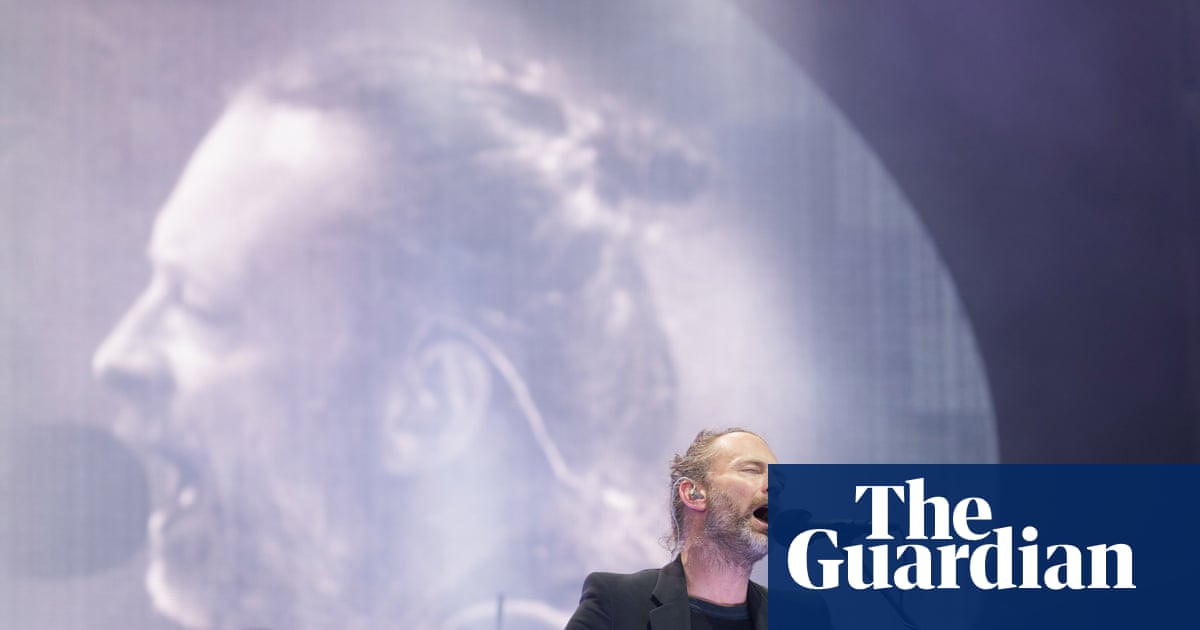
Radiohead Announces European Tour Amidst Boycott Calls Over Israel Stance
Radiohead is set to embark on a European tour this November and December, marking a important return for the iconic band. Though, the announcement has been met wiht controversy, reigniting debate surrounding the band’s perceived silence on the ongoing humanitarian crisis in gaza and individual member Jonny Greenwood‘s past performance in Israel. This article dives into the details of the tour, the criticisms leveled against Radiohead, and the band’s responses, offering a comprehensive look at the situation.
Tour Dates & details
The tour will span several key European cities, offering fans multiple opportunities to see the band live. Here’s a breakdown of the confirmed dates:
Madrid, Spain: Movistar arena – November 4, 5, 7, 8
Bologna, Italy: Unipol arena – November 14, 15, 17, 18
London, UK: the O2 – November 21, 22, 24, 25
Copenhagen, Denmark: Royal arena – December 1, 2, 4, 5
* Berlin, Germany: Uber arena – December 8, 9, 11, 12
While fans eagerly anticipate a potential new album – which would be Radiohead’s tenth – there’s no guarantee one is forthcoming. Recent comments from frontman Thom Yorke suggest the band is prioritizing creative freedom over customary album-tour cycles.
The Controversy: Boycott Calls and Accusations of Complicity
The tour announcement promptly drew criticism from the Palestinian Campaign for the Academic and Cultural Boycott of Israel (PACBI). They’ve called for a boycott, citing Greenwood’s previous performance in Tel Aviv as a crossing of their “picket line.” PACBI argues that performing in Israel, even near Gaza, constitutes “complicity” in what they describe as Israel’s “genocide” against Palestinians.
Their statement accuses Radiohead of “complicit silence” and highlights the perceived disconnect between the band’s artistic expression and their political stance. They specifically point to Greenwood performing “a short drive away from a livestreamed genocide.”
Radiohead’s Response: Navigating a Complex Issue
The band, and particularly its members, have attempted to address the criticism, though responses have been nuanced and, at times, perceived as insufficient.
Thom Yorke initially addressed the issue following a Melbourne concert earlier this year, stating it didn’t feel like the appropriate time to discuss the situation in Gaza. He later expressed shock that his “silence” was interpreted as complicity. Yorke maintains that his music should demonstrate his opposition to extremism and dehumanization.
Guitarist Ed O’Brien offered further insight via Instagram, stating that the band members are “genuinely upset and angered” by the events in Gaza. He explained their reluctance to engage extensively on social media, citing the divisive nature of the platform and a preference for expressing their feelings privately. O’Brien also acknowledged the algorithm’s tendency to amplify conflict.
Yorke, when questioned about the band’s return in general, offered a blunt response, stating he “doesn’t really give a flying fuck” about speculation and that Radiohead has “earned the right to do what makes sense to us.” This statement, while asserting artistic independence, has further fueled criticism from those seeking a clearer condemnation of the situation in Gaza.
Understanding the Boycott Movement & Its Impact
The Boycott, Divestment, and Sanctions (BDS) movement, of which PACBI is a part, aims to pressure Israel to comply with international law through economic and cultural boycotts. It’s a highly contentious issue within the music industry,with artists facing challenging choices about where and when to perform.
For you, as a music fan, understanding the context of these boycott calls is crucial. It’s a complex situation with deeply held beliefs on both sides. The debate highlights the increasing expectation for artists to take a public stance on political and social issues.
What Does This Mean for Radiohead?
Radiohead finds itself at a crossroads. The band’s decision to proceed with the tour, despite the boycott calls, has undoubtedly polarized opinions.


