
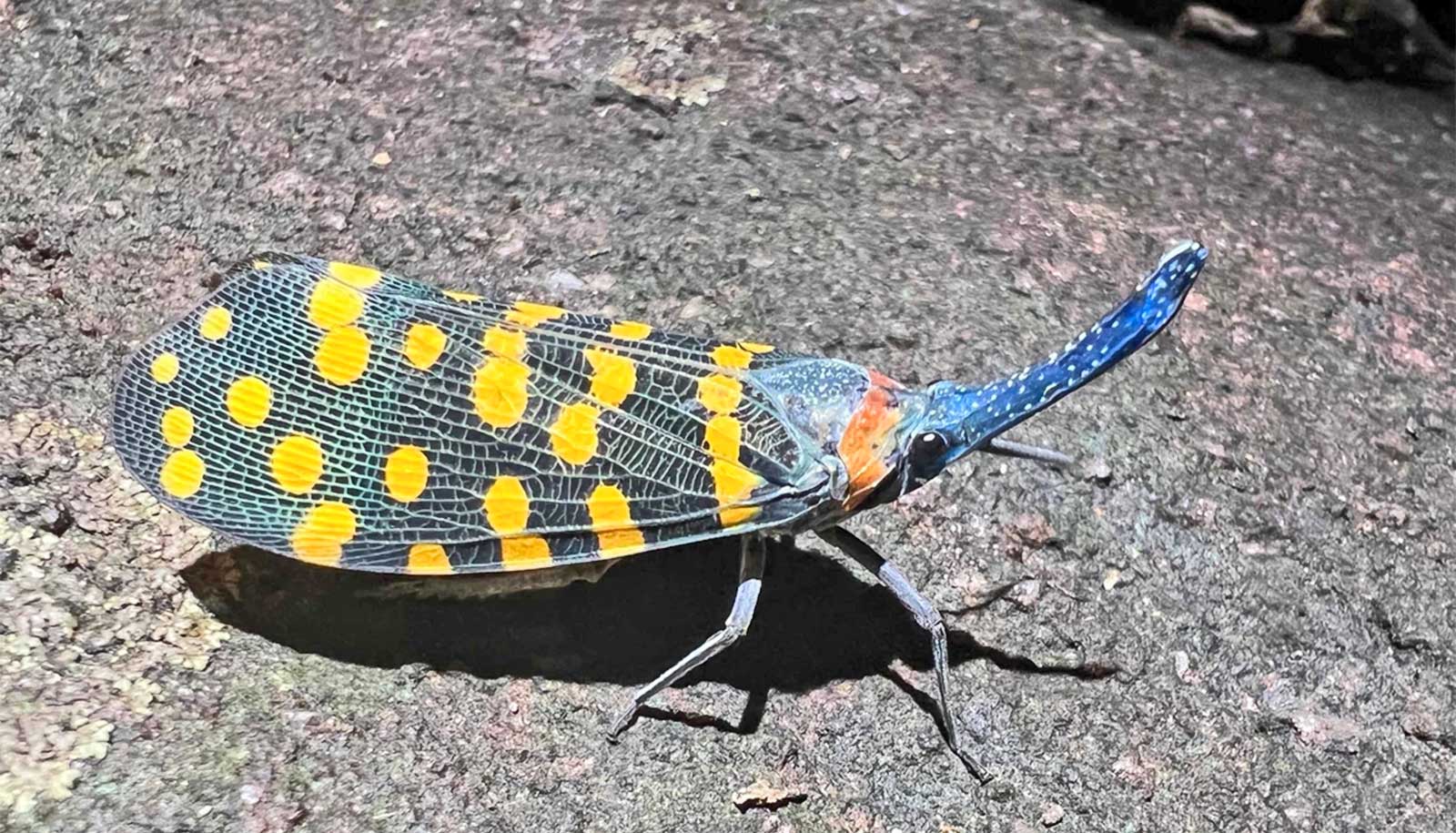
The Accelerating Pace of Revelation: How We’re Unveiling Earth’s Hidden Biodiversity – And Why It Matters
for centuries, scientists have been engaged in a monumental task: cataloging the amazing diversity of life on Earth. Now, a groundbreaking new study reveals this effort is not only ongoing, but accelerating. Researchers are identifying and describing new species at a rate faster than ever before in history, offering a beacon of hope amidst ongoing concerns about global biodiversity loss. This isn’t just about adding names to a list; it’s a basic step towards understanding,protecting,and even benefiting from the planet’s hidden biological wealth.
A Surge in Species discovery: Beyond the Numbers
The study, led by researchers at the University of Arizona and analyzing taxonomic histories of approximately 2 million species across all life forms, paints a compelling picture. Between 2015 and 2020, over 16,000 new species were documented annually. This included a remarkable 10,000+ animals – largely arthropods and insects – alongside 2,500 plants and 2,000 fungi.
But the importance extends far beyond these impressive numbers. Crucially,the rate of discovery substantially outpaces the rate of extinction,currently estimated at around 10 species per year (according to related research led by the same team). This is a vital point often overshadowed by narratives of ecological decline. While extinction remains a critical threat, the ongoing discovery of new life demonstrates the resilience and complexity of the natural world.
Projecting the Unknown: How Many Species Are There?
The research doesn’t stop at documenting what’s been found. By analyzing past discovery rates, the team projected future findings, revealing just how much remains unknown. Current estimates suggest we’ve only described around 42,000 fish species and 9,000 amphibians. Though,projections indicate the true numbers could be as high as 115,000 fish and 41,000 amphibian species. Similarly, the final tally of plant species could exceed a staggering half-million.
These figures echo the sentiment of renowned ecologist Robert May, who famously observed that if extraterrestrials were to ask us how many species inhabit Earth, we’d be unable to provide a definitive answer. Currently, we recognize approximately 2.5 million species, but the actual number could range from tens of millions to potentially billions.
The Power of Modern Tools: Unveiling Cryptic Diversity
The accelerating discovery rate is fueled by several factors, including increased exploration and, importantly, advancements in scientific technology.While customary species identification relies on observable physical characteristics, the rise of molecular tools – DNA sequencing and genetic analysis – is revolutionizing the field.
This is leading to the identification of “cryptic species” - organisms that appear identical but are genetically distinct. This is particularly promising for uncovering hidden diversity within bacteria and fungi, groups often overlooked in traditional biodiversity assessments. Currently, around 1.1 million insect species have been identified, but many experts believe the true number is closer to 6 million, with some estimates reaching as high as 20 million.
Why Does Discovery Matter? Conservation, Medicine, and Innovation.
The importance of identifying new species extends far beyond academic curiosity. It’s a foundational step in conservation efforts.As Dr. John Wiens, lead author of the study, emphasizes, “These species can’t be protected until they’re scientifically described. Documentation is the first step in conservation-we can’t safeguard a species from extinction if we don’t know it exists.”
But the benefits don’t end there. New species are a treasure trove of potential for human advancement:
* Medicine: Nature has long been a source of medicinal compounds. Recent examples include GLP-1 receptor agonists, a new class of weight-loss drugs inspired by hormones found in Gila monster venom. Spider and snake venoms, along with countless plants and fungi, hold promise for developing treatments for pain, cancer, and othre diseases.
* Biomimicry & Innovation: The natural world is a masterclass in engineering. Species have evolved ingenious adaptations that can inspire human inventions. Consider the “super-clinging” feet of geckos, which are being studied to create new adhesives and climbing technologies.
* Understanding Ecosystems: Each new species discovered adds another piece to the puzzle of how ecosystems function, allowing for more effective conservation strategies.
Looking Ahead: Mapping Biodiversity and Democratizing Discovery
The researchers are now focusing on mapping geographic hotspots of undis





![Nigeria Mosque Blast: Deaths & Latest Updates | [Year]](https://i0.wp.com/s.france24.com/media/display/edad9848-e0fb-11f0-aa07-005056bf30b7/w%3A1280/p%3A16x9/AP25077805366921.jpg?resize=150%2C100&ssl=1 "Nigeria Mosque Blast: Deaths & Latest Updates | [Year]")


