
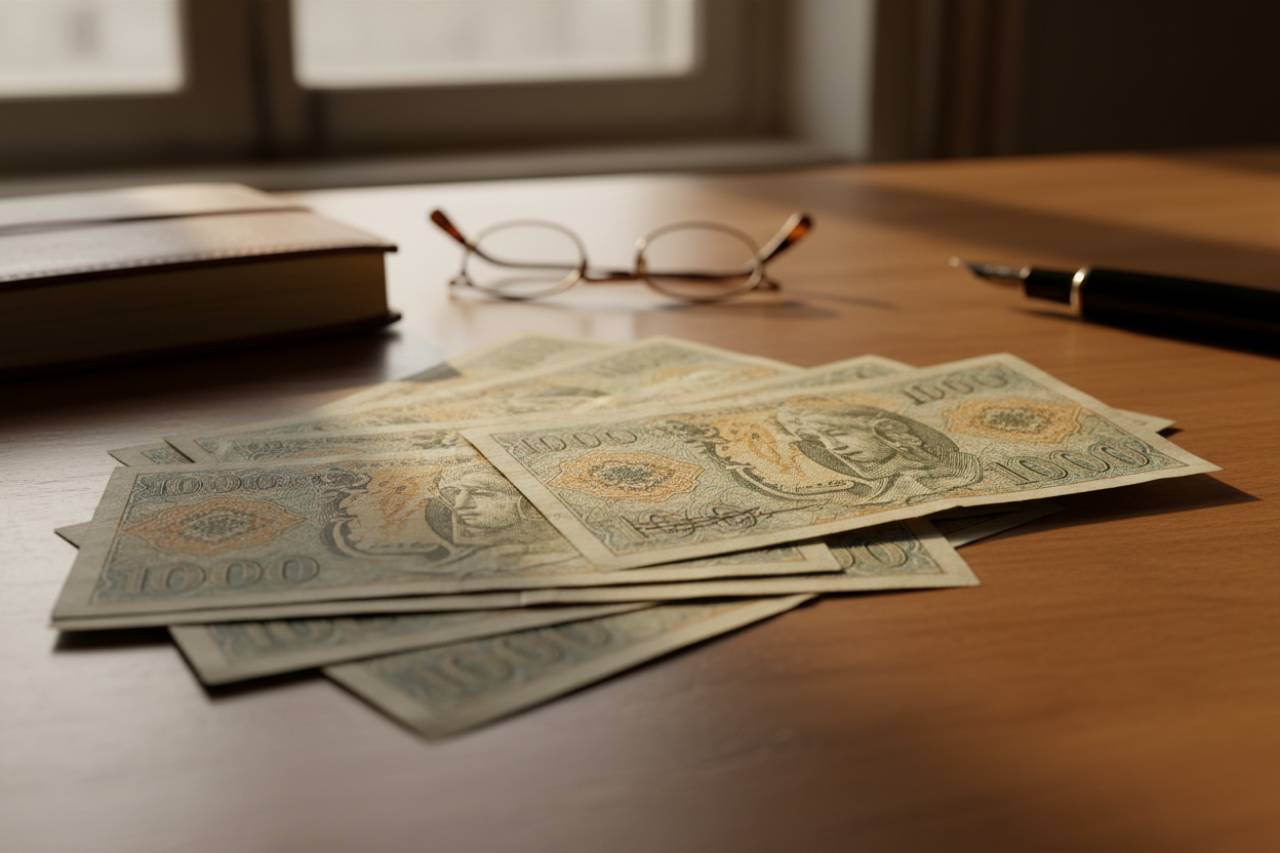
For many families across Italy and the diaspora, old drawers, dusty jewelry boxes, and forgotten purses often hold more than just nostalgia. While the Italian Lira was replaced by the Euro decades ago, certain rare Italian Lira coins have transitioned from simple currency to high-value assets for numismatists. In an era of volatile markets, these physical remnants of Italy’s monetary history are increasingly viewed as tangible investments.
The value of these coins is rarely determined by their face value, but rather by their rarity, the year of minting, and their state of preservation. From limited “prova” (test) strikes to commemorative issues marking national milestones, the disparity in value can be staggering. While most Lira coins hold little more than sentimental value, a few specific specimens can fetch thousands of euros at auction.
Beyond individual coins, the quest for “hidden” Lira wealth extends to forgotten banking documents. Recent cases have highlighted how dormant savings accounts from the Lira era, when adjusted for interest and monetary revaluation, can transform a modest sum of old currency into a significant modern windfall.
The Most Valuable Italian Lira Coins for Collectors
Identifying a high-value coin requires a keen eye for detail, as a single word or a specific year can change a coin’s value from a few cents to several thousand euros. According to market data, the most sought-after piece is the 500 lire of 1957, known as the “Caravelle,” specifically the version with the “prova” inscription. Due to its limited production for internal testing, this silver coin can be valued between 5,000 to 8,000 euros.

Other significant pieces from the early and mid-20th century also command high premiums. The 10 lire of 1947, when found in impeccable condition, can exceed a value of 4,500 euros. Similarly, the 5 lire of 1911, minted to commemorate the 50th anniversary of the Unification of Italy, can reach 1,500 euros, as can the 1 lira of 1947 up to 1,500 euros.
Collectors also keep a close watch on the “uva” (grape) 5 lire from 1946, which were among the first coins minted by the Republic and can be worth up to 1,200 euros. For those finding mid-century coins, the 100 lire of 1955 in perfect condition can reach 1,300 euros, while the 2 lire of 1949 may be worth up to 300 euros.
Quick Reference: High-Value Lira Coins
| Coin Description | Year/Type | Potential Value |
|---|---|---|
| 500 Lire “Caravelle” (Prova) | 1957 | €5,000 – €8,000 |
| 10 Lire | 1947 | Over €4,500 |
| 5 Lire (Unity of Italy) | 1911 | Up to €1,500 |
| 1 Lira | 1947 | Up to €1,500 |
| 100 Lire | 1955 | Up to €1,300 |
| 5 Lire “Uva” | 1946 | Up to €1,200 |
The “Forgotten Fortune”: Lira Savings Books
While individual coins are the primary focus for numismatists, the broader category of “old lire” includes legacy financial instruments. A recent case in Veneto demonstrates the potential of forgotten bank documents. Giorgio Di Fede, a resident of Padova, discovered a savings book (libretto di risparmio) from 1967 in his parents’ former home. The original balance was a modest 2,000 lire.
Through a technical evaluation that accounted for accrued interest, monetary revaluation, and capitalization over six decades, the current estimated value of that balance has risen to nearly 43,000 euros. The document was originally issued by the Cassa di Risparmio di Civitavecchia, a bank that was later absorbed through successive mergers into Intesa Sanpaolo.
This case highlights a complex legal intersection between banking law and the statute of limitations (prescrizione). Legal representatives from the Associazione Italia are currently arguing that the time limit for claiming the funds should start from the date the document was rediscovered, rather than the date of issue, as the holder was unaware of the credit’s existence tviweb.it.
Expanding the Search: Other Rare Finds
For those auditing their family collections, it is worth looking beyond standard Lira coins. The world of Italian numismatics is vast, including specialized issues and errors that can significantly drive up value. For instance, the Vatican City has issued various bimetallic 500 lire coins, with approximately 20 different versions available for collection.
Other areas of interest for collectors include:
- Silver Coins: The 500 lire in silver from the Italian Republic are frequently sought after for both their metal content and rarity moneterare.net.
- Euro Rarities: Even the newer currency has rare specimens. Certain Euro cents can be worth thousands due to minting errors, and commemorative 2 Euro coins can reach high market quotations moneterare.net.
- Historical Currencies: Beyond the Lira, collectors often look for the silver Tallero or ancient Roman and Greek coins.
- Non-Currency Tokens: Old telephone tokens (gettoni telefonici) once used in public booths are also collected and can vary in value based on rarity moneterare.net.
How to Evaluate and Preserve Your Finds
For those who believe they have found rare Italian Lira coins, the most critical factor is preservation. The difference between a “Good” and “Fleur de Coin” (perfect) condition can be the difference between a few euros and several thousand. Collectors are advised never to clean old coins with chemicals or abrasive materials, as this can destroy the original patina and significantly reduce the numismatic value.
Professional appraisal is the only reliable way to determine the true market value. This typically involves verifying the mint mark, checking for specific “prova” inscriptions, and assessing the wear on the coin’s relief. For banking documents like the savings book found in Padova, legal and technical expertise is required to navigate the process of recovery from successor banks and the Bank of Italy.
The next significant development in the recovery of forgotten Lira assets will be the legal proceedings initiated by Giorgio Di Fede against Intesa Sanpaolo and the Bank of Italy to determine if the 1967 savings book is still eligible for reimbursement despite the passage of time.
Do you have old Italian Lira or forgotten family documents in your possession? Share your findings or questions in the comments below.