Congresswoman Rashida Tlaib Exposes Double Standards in Foreign Policy & Demands Accountability in Epstein Case
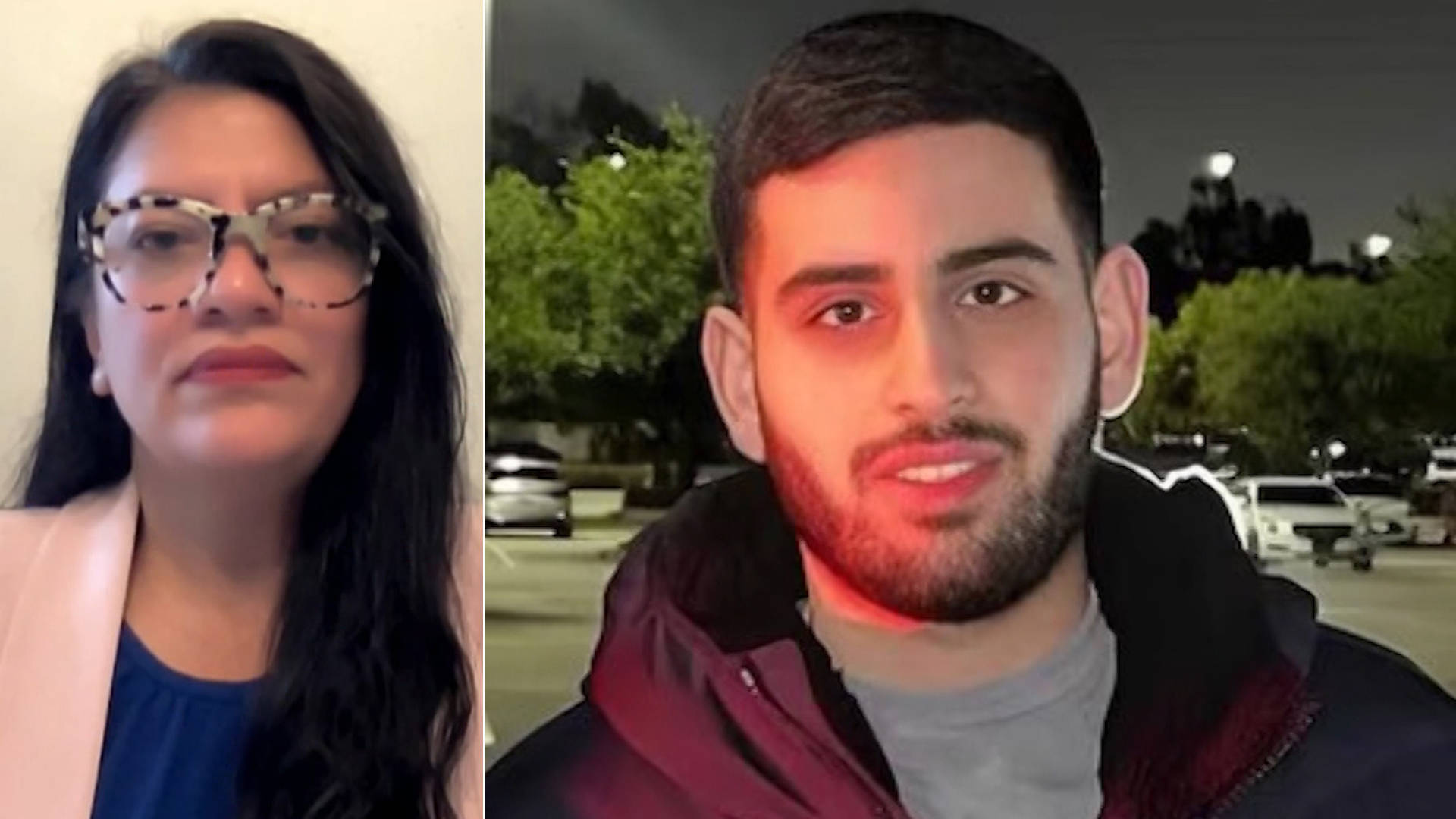
In a powerful interview with Democracy Now!’s Amy Goodman, Congresswoman Rashida Tlaib (D-MI) delivered a scathing critique of U.S. foreign policy regarding Israel and Palestine, alongside a stark warning about financial institutions‘ complicity in the jeffrey Epstein sex trafficking scandal. The interview,a compelling display of Tlaib’s unwavering commitment to human rights and accountability,highlights a growing frustration within Congress regarding perceived double standards and a lack of genuine action.
The Palestinian question: A Racialized Disparity in U.S. Policy
Congresswoman Tlaib’s core argument centered on what she describes as a deeply ingrained racial bias influencing U.S. policy towards the Israeli-Palestinian conflict. She expressed dismay at the tepid response from colleagues – both Democrats and Republicans – to the escalating humanitarian crisis in Gaza. While acknowledging expressions of concern (“That’s terrible,” “I don’t like Netanyahu”), she argued these sentiments are consistently overshadowed by a reluctance to leverage U.S. aid as a means of enforcing human rights standards.
“Use it as leverage to uphold human rights,” tlaib implored, advocating for a shift in strategy. “No one should be forced to starve. No one should be pushed out of their land, again, illegally, to violate international laws.”
This isn’t simply a matter of policy disagreement, Tlaib contends, but a systemic failure to apply the same standards applied in other global conflicts.She recounted a recent committee hearing focused on the brutal killing of an American in Syria, where calls for sanctions were swift and decisive. However,when similar atrocities occur involving Palestinians,a conspicuous exception emerges.
“There’s always an exception when it comes to the Palestinian people,” she stated, characterizing the disparity as “entirely racialized.” Tlaib powerfully articulated the thoght experiment she often employs in her speeches: “If you need to close your eyes and pretend they’re not Palestinian, they’re not Brown, they’re not Muslim… I wonder if my colleagues would act differently.” She believes the answer is a resounding yes.
The congresswoman further pointed to the subtle, yet insidious, racism embedded even within seemingly well-intentioned gestures, like letters from colleagues. She noted the presence of “racist tropes” and language that “erase… the brutality” experienced by Palestinians, including individuals like Saif and Mohammad, whose stories have brought the crisis into sharp focus. Tlaib emphasized that the situation is deteriorating, even as the world witnesses the unfolding tragedy in real-time through social media.
Unmasking Financial Complicity in the Epstein scandal
The interview then shifted to a separate, yet equally critical, issue: the ongoing effort to expose the financial networks that enabled Jeffrey Epstein’s horrific crimes. Tlaib expressed frustration that a proposed amendment to release Epstein’s financial files was blocked by Republican members of the Financial Services Committee.
She highlighted the bipartisan support for clarity, referencing a measure co-sponsored by Representatives Thomas Massie (R-KY) and Ro Khanna (D-CA) demanding the release of these files. The urgency stems from recent revelations detailing billions of dollars in payments made by Epstein to numerous individuals, including those in Belarus and Russia.
Tlaib revealed a disturbing pattern of negligence by major financial institutions. “Three banks - JPMorgan Chase, Bank of America, and mellon – did not… report those transactions within 60 days, as required by regulations,” she explained. Instead, they waited until Epstein’s arrest in 2019, concealing over 4,000 transactions totaling $1.5 billion.
“It is indeed vital and critical to understand who was involved directly in the human trafficking of young women - who, again, enabled it,” Tlaib asserted in the closing seconds of the interview. This underscores the need to hold these institutions accountable for their failures to comply with anti-money laundering regulations and possibly aiding and abetting Epstein’s criminal enterprise.
A Call for Consistent Principles and Accountability
Congresswoman Tlaib’s interview serves as a powerful indictment of the inconsistencies and biases that plague U.S. foreign policy and the lack of accountability within the financial system.Her willingness to speak truth to power, even in the face of opposition, positions her as a leading voice for human rights and a champion for those whose stories are often marginalized.The issues she raises – the plight of the Palestinian people and the need for transparency in the Epstein case –