
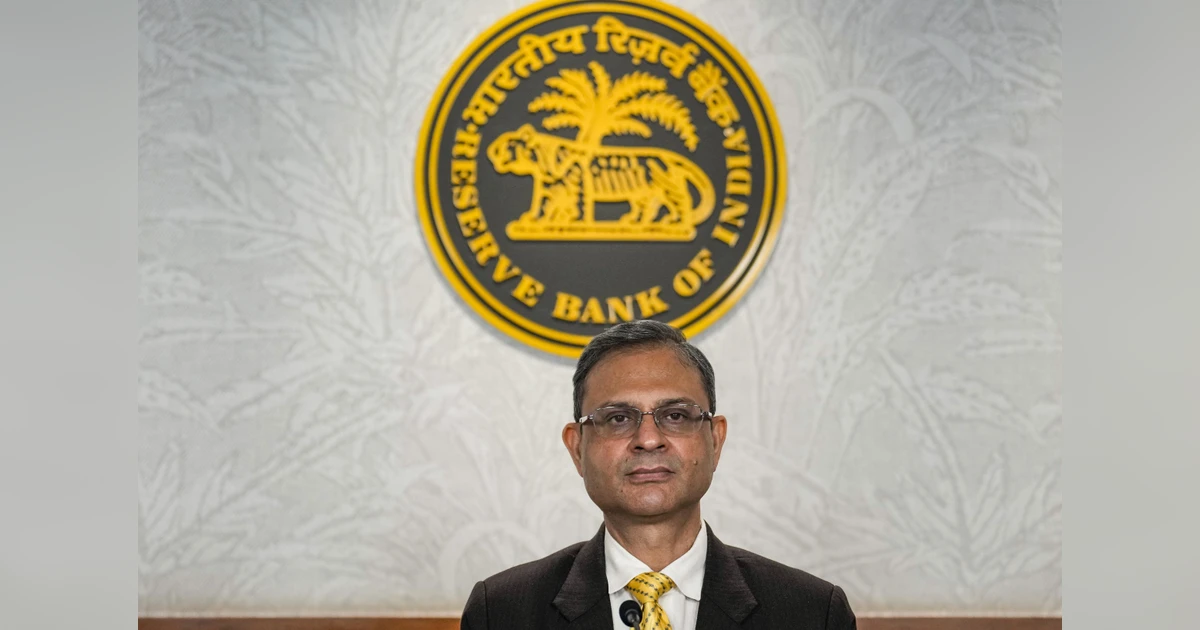
RBI Maintains Status Quo on Repo Rate, addresses UPI Costs & Economic Outlook
The Reserve bank of India (RBI) recently concluded its Monetary Policy Commitee (MPC) meeting, leaving the repo rate unchanged at 5.5%. Governor Sanjay Malhotra addressed key economic concerns, including inflation, growth forecasts, the future of UPI transaction fees, and strategies for strengthening the banking sector. Hear’s a detailed breakdown of the key takeaways and what they mean for you.
Inflation Cooling, Growth Slightly Revised
Inflation has demonstrably decreased since June, falling by a full percentage point. While economic growth surprised to the upside in the first quarter, the RBI anticipates a slight downward revision in the third and fourth quarters of this fiscal year, and into the next. This adjustment is largely attributed to the 50% tariffs recently imposed by the US President.
Despite this revision, the central bank remains optimistic about sustaining a robust growth trajectory while together maintaining price stability.
The Future of Zero-Cost UPI Transactions
Governor Malhotra reiterated previous statements regarding the long-term sustainability of the current zero-fee structure for Unified Payments Interface (UPI) transactions. He emphasized that while the government currently subsidizes UPI to keep it free for users, there are inherent costs associated with the system.
“I never said that UPI can stay free forever,” Malhotra clarified. “What I said was there are costs…and they need to be paid for by someone.” He acknowledged the benefits of the current free access, stating it has “borne good fruits,” but highlighted the need for a lasting financial model.
Banking sector Stability & Growth
The RBI is committed to bolstering the banking sector through ongoing consultations with stakeholders. The focus will be on promoting stability,improving commitments,and fostering economic growth.
Malhotra assured that measures taken will be “balanced,calibrated,and well-thought-out.” The overarching goal is to enhance the system’s stability while simultaneously driving economic expansion.
Reducing Reliance on Cross-Currencies
The RBI is actively working to reduce India’s dependence on cross-currency transactions. Currently, the central bank is exploring partnerships with countries like Indonesia (Rupiah) and the UAE (Dirham), with plans to gradually expand this network. This move aims to streamline international trade and reduce transaction costs.
Monetary Policy Stance: Neutral for Now
The MPC considered a shift from a neutral to an accommodative monetary policy stance, with two members advocating for the change. Though, the committee ultimately decided to maintain the neutral stance. Malhotra clarified this is primarily a signal of future guidance and doesn’t directly impact current liquidity levels.
Key Takeaways for You:
* Repo Rate Remains Steady: Your borrowing costs from banks are unlikely to change immediately.
* UPI Fees – A Potential Shift: While UPI remains free now,be prepared for potential changes in the future as the RBI seeks a sustainable funding model.
* Economic Outlook – Cautiously Optimistic: The Indian economy is expected to continue growing, but global factors like US tariffs could influence the pace.
* Stronger Banking system: Expect continued efforts to strengthen the banking sector, ensuring a more stable and reliable financial system.
FY26 GDP Growth Forecast: 6.8%
Resources:
* RBI Monetary policy Committee Meeting
* Understanding Unified Payments interface (UPI)
This facts is for general knowledge and informational purposes only, and does not constitute financial advice. Always consult with a qualified financial advisor before making any investment decisions.





