
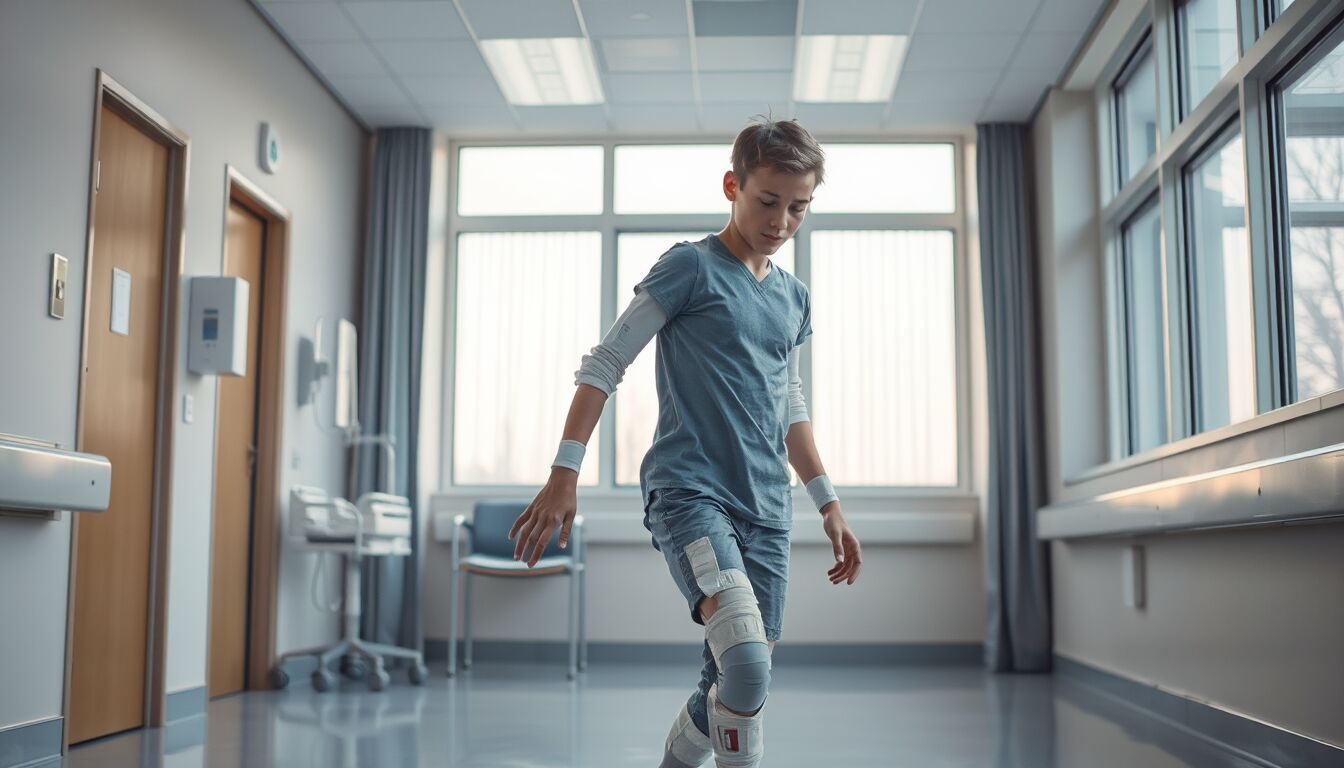
The road to recovery following severe injury is rarely a straight line; it is a grueling process of incremental gains, measured in millimeters and modest breakthroughs. In Crans-Montana, a group of injured youth are currently navigating this arduous journey, where the focus has shifted from acute survival to the long-term challenge of rehabilitation. Their progress is described as slow, yet steady, underpinned by a comprehensive strategy of intensive medical care, physical rehabilitation, and critical psychological support.
For young patients facing significant trauma, the recovery phase is not merely about the healing of physical wounds but the restoration of cognitive and emotional equilibrium. The integration of a “dense network” of support—comprising medical professionals, therapists, and family—is essential in managing the complexities of such injuries. This multidisciplinary approach ensures that every facet of a patient’s well-being is addressed, acknowledging that physical mobility and mental health are inextricably linked.
As an internist and health journalist, I have seen how the synergy between different therapeutic disciplines can determine the trajectory of a patient’s life. In cases of severe injury, the goal is not just the absence of disease or injury, but the reclamation of a functional, fulfilling life. The current efforts in Crans-Montana reflect a modern medical standard where the patient is treated as a whole person rather than a set of symptoms.
The Role of Intensive Neuropsychological Rehabilitation
A cornerstone of the recovery process for youth with severe injuries is neuropsychological rehabilitation. This specialized field focuses on the evaluation and treatment of cognitive deficits that often accompany traumatic brain injuries or neurological trauma. The objective is to implement personalized cognitive stimulation paths that help patients regain essential functions such as memory, attention, and executive processing.
According to clinical standards in neuropsychology, such as those practiced by Neuropsicologia Pini, these interventions are tailored to the individual’s specific cognitive profile. For injured youth, this may involve structured exercises designed to “re-wire” neural pathways or develop compensatory strategies to navigate the world despite permanent deficits. These “daily progresses” are often invisible to the casual observer but represent monumental shifts in the patient’s ability to interact with their environment.
The process typically begins with a rigorous neuropsychological evaluation to map the extent of the cognitive impairment. Once a baseline is established, therapists introduce stimulation activities that challenge the brain to adapt. This phase of rehabilitation is often the most taxing, requiring immense patience from both the patient and the clinical team, as improvements occur in small, sometimes frustratingly slow, increments.
Psychological Support and the Management of Trauma
While physical and cognitive milestones are vital, the emotional toll of a life-altering injury cannot be overlooked. The “psychological support” mentioned in the recovery efforts in Crans-Montana is not a secondary luxury but a primary medical necessity. Sudden, traumatic events can lead to what clinicians call “reactive depression”—a clinical condition where the patient’s mood and emotional state are severely impacted by their new physical or cognitive limitations.
As noted by the specialists at Auxologico, cerebrovascular events or progressive diseases—and by extension, severe traumatic injuries—can alter an individual’s behavior and intellectual capacity, which in turn affects their emotional tone. This emotional instability can have a direct negative impact on the recovery of physical deficits. If a patient falls into a deep depression, their motivation to engage in grueling physical therapy diminishes, thereby slowing the overall healing process.
Effective psychological intervention aims to:
- Prevent the onset of chronic psychic distress: Early intervention helps patients process the trauma before it crystallizes into long-term psychiatric disorders.
- Facilitate psychological restructuring: Helping the youth adapt to a “new normal” and rebuild their identity around their current capabilities.
- Support the relational context: Recovery does not happen in a vacuum. Support must extend to families, friends, and colleagues to manage the shared experience of illness and disability.
Reactivating Resources through Individualized Care
The transition from intensive hospital care to active rehabilitation involves a shift in strategy. The focus moves from stabilization to the “re-activation of resources.” This means identifying the strengths the patient still possesses and leveraging them to overcome the deficits.
Individualized care paths, such as those detailed by KOS – Santo Stefano Riabilitazione, utilize diagnostic investigations—including clinical interviews and psychodiagnostic tests—to define the specific problem and create a roadmap for recovery. For the youth in Crans-Montana, this likely involves a combination of motor rehabilitation to regain “first steps” and psychological strategies to manage stress.
Stress management is particularly critical because chronic stress can trigger organic pathologies, including cardiovascular issues, which could further complicate the recovery of an already fragile patient. By learning to recognize dysfunctional approaches to their new reality, patients can improve their overall psychophysical well-being and reduce the risk of stress-correlated complications.
Key Components of the Recovery Framework
| Therapeutic Pillar | Primary Goal | Expected Outcome |
|---|---|---|
| Neuropsychological | Cognitive stimulation and evaluation | Restoration of memory and executive functions |
| Psychological | Emotional support and trauma processing | Prevention of reactive depression; mental resilience |
| Physical/Motor | Intensive physical therapy | Regaining mobility and independence (e.g., first steps) |
| Relational | Family and network support | Stable environment for long-term adaptation |
The Long Road Ahead: What “Slow Improvement” Means
In the context of severe youth injuries, “slow improvement” is often a victory. The biological reality of neural and tissue repair is that it takes time. When a patient makes their “first steps” or recovers a specific cognitive function, it is the result of hundreds of hours of repetitive, often painful, effort.
The success of the Crans-Montana rehabilitation depends on the persistence of the “fitta rete” (dense network) of support. This network ensures that when a patient hits a plateau—a common occurrence in long-term rehab—there is a psychological and medical safety net to prevent them from giving up. The goal is a gradual return to autonomy, where the youth can once again participate in the activities of daily living, however modified those activities may be.
The journey from the initial trauma to full integration back into society is measured not in days, but in months and years. The current progress observed in these young patients is a testament to the efficacy of combining intensive medical intervention with a deep commitment to the patient’s mental and emotional health.
As official updates on the progress of the injured youth in Crans-Montana become available, the medical community will continue to monitor the long-term outcomes of this intensive rehabilitative approach. We encourage readers to share their thoughts on the importance of integrated mental health care in physical recovery in the comments below.