the Urgent Need for Red Line Modernization: Securing the Future of Washington D.C.’s Metro System
The Washington Metropolitan Area Transit Authority (WMATA), commonly known as Metro, faces a critical juncture. The aging infrastructure powering the Red Line – a vital artery for commuters and visitors alike – requires considerable modernization to avert future service disruptions and maintain the reliability of the region’s public transportation. this isn’t simply about replacing old parts; it’s a fundamental shift from outdated technology to a sustainable, future-proof system. the core issue revolves around the Metro Red Line upgrade, a project poised to impact thousands of daily riders and the overall economic vitality of the nation’s capital.
Did You Know? The control systems currently operating the Red Line date back to 1973, predating the widespread use of personal computers!
The Anatomy of an Aging System: A Deep Dive
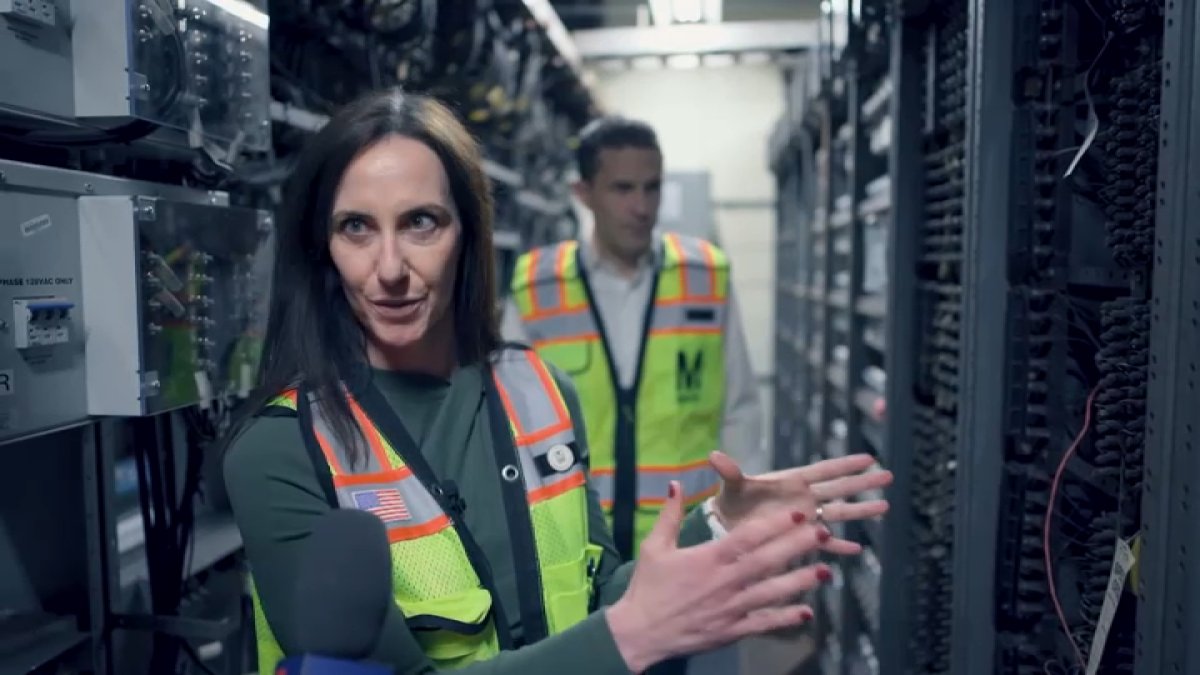
The current control technology governing the Red Line’s operations is, frankly, archaic. Metro General Manager Randy Clarke has emphasized the potential for “major reliability problems” if proactive steps aren’t taken.The system’s age isn’t just a matter of aesthetics; it presents significant operational challenges. Finding qualified personnel to maintain these legacy systems is becoming increasingly difficult. As Metro Chief Infrastructure officer Theresa Impastato pointed out, the skills required to work with this technology are no longer taught in schools. This necessitates extensive, and costly, on-the-job training for new employees, essentially teaching them “the old way” of maintaining assets.
This situation highlights a broader trend in infrastructure management: the growing need to address deferred maintenance and invest in preventative upgrades.The reliance on outdated components creates a single point of failure, increasing the risk of cascading disruptions. consider the implications: stalled trains, stranded passengers, and a loss of confidence in the Metro system. The potential economic impact of such disruptions is substantial, affecting productivity, tourism, and the overall quality of life for residents.
Pro Tip: Understanding the lifecycle of critical infrastructure is key. Proactive investment in modernization is far more cost-effective than reactive repairs following a major failure.
From Eight-Track to Streaming: The Scale of the Challenge
Metro’s comparison of the necessary renovations to switching from an eight-track tape to a streaming service is apt. It illustrates the magnitude of the technological leap required.The current system relies on discrete components and manual processes, while a modern system would leverage digital technology, automation, and real-time data analysis.
This modernization isn’t limited to the control room. It encompasses:
* Signal Systems: Replacing outdated Automatic Train Control (ATC) systems with Communications-Based Train Control (CBTC) – a modern signaling technology that allows for closer headways and increased capacity.
* Power Infrastructure: Upgrading substations and power distribution systems to ensure reliable power delivery.
* Track and tunnel Maintenance: Addressing deferred maintenance on tracks, tunnels, and other critical infrastructure components.
* Control Center Technology: implementing a modern, integrated control center with advanced monitoring and diagnostic capabilities.
These upgrades require significant capital investment, estimated to be in the billions of dollars.However, the cost of inaction is arguably higher, considering the potential for service disruptions, safety concerns, and long-term economic consequences.
Funding the Future: Navigating the Financial Landscape
Securing funding for the Red Line modernization is a complex undertaking. Discussions are underway regarding the potential allocation of sales tax revenue directly to Metro upgrades and renovations.Clarke suggests a phased approach,securing “size pieces” of funding – perhaps $200 million annually - to build a sustainable modernization program.
This funding model raises important questions:
* What is the optimal balance between dedicated funding streams and general budget allocations?
* How can metro ensure clarity and accountability in the use of public funds?
* What role should federal grants and private sector partnerships play in financing the modernization effort?
Exploring innovative funding mechanisms, such as value capture financing (leveraging the increased property values resulting from improved transit access), could also be beneficial.
| Feature | Current Red Line System | modernized Red Line system (CBTC) |
|---|---|---|
| Signaling Technology |