
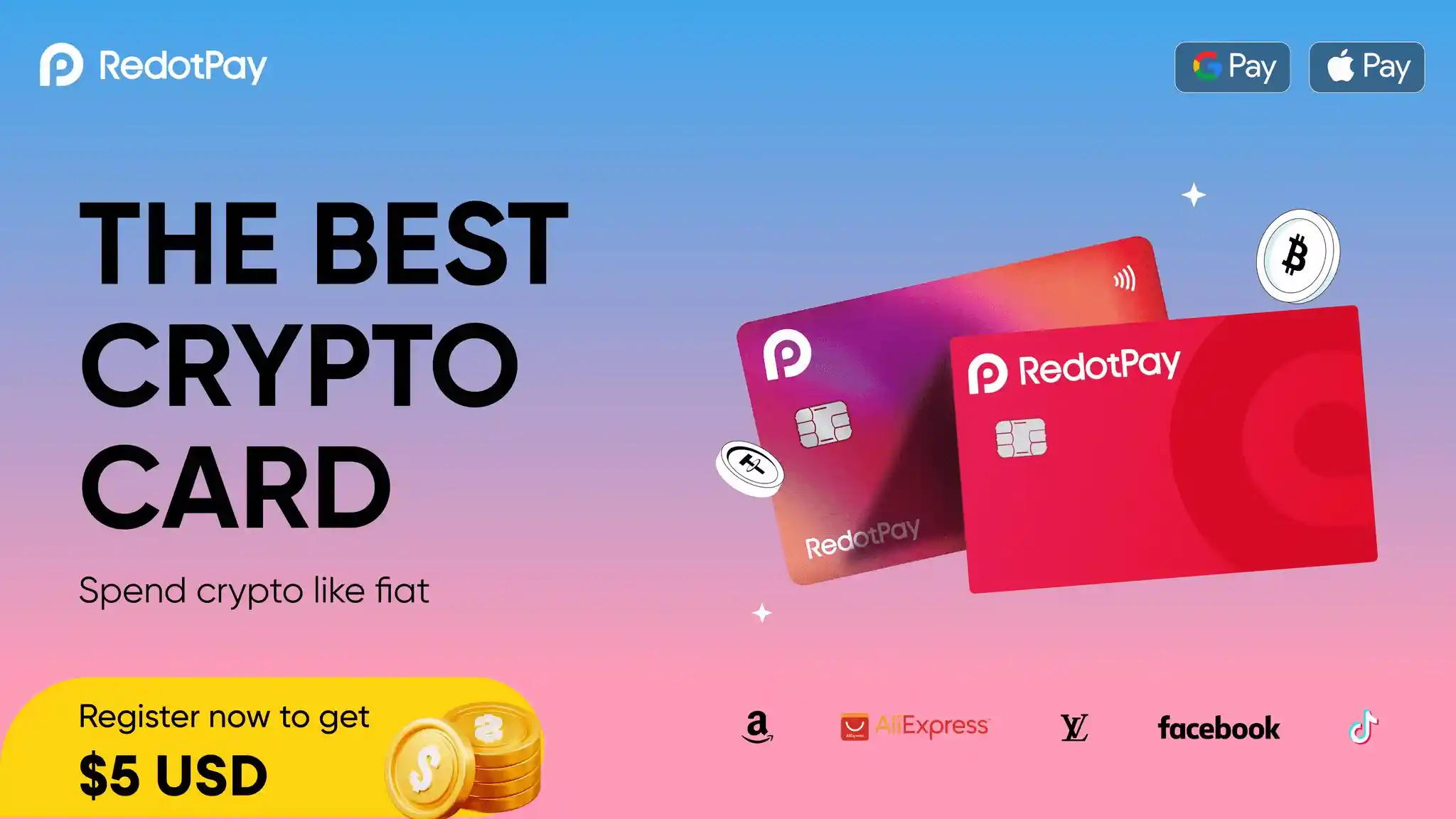
For years, the primary challenge for cryptocurrency holders has been the “last mile” of utility: moving digital assets from a secure wallet into a real-world transaction without a cumbersome series of exchanges and bank transfers. While Bitcoin and stablecoins like USDT have seen massive growth in value and adoption, spending them at a local coffee shop or an online retailer has remained a friction-filled process.
Enter RedotPay, a solution designed to bridge the gap between decentralized finance and traditional commerce. By leveraging the global Visa payment network, RedotPay allows users to convert their cryptocurrency holdings into spendable currency in real-time, effectively turning a digital wallet into a functional debit card for daily apply.
Based in Hong Kong, this fintech initiative provides a streamlined pathway for users to utilize major assets—including Bitcoin, Ethereum, USDT, and USDC—for both online and offline purchases. By integrating with mobile payment systems like Apple Pay and Google Pay, the service aims to make crypto-spending as seamless as using a traditional bank account.
Understanding the RedotPay Ecosystem
RedotPay operates as a crypto-based prepaid card service. Unlike traditional bank accounts that require extensive credit checks, RedotPay focuses on the liquidity of the user’s cryptocurrency holdings. Because it utilizes the Visa payment network, the card is accepted at millions of merchants worldwide, regardless of whether the merchant specifically “accepts” cryptocurrency.
The service supports a variety of widely recognized digital assets, ensuring that users are not locked into a single ecosystem. Primary supported coins include Bitcoin (BTC), Ethereum (ETH), and stablecoins such as USDT, and USDC. This versatility is particularly useful for those who wish to maintain the stability of their spending power via stablecoins while keeping their long-term investments in volatile assets like Bitcoin.
Virtual vs. Physical Cards: Choosing the Right Option
RedotPay offers two distinct tiers of card issuance to cater to different user needs. The primary difference lies in the cost, the method of payment, and the ability to withdraw physical cash.
The Virtual Card
The virtual card is designed for the digital-first consumer. It’s issued almost immediately upon the completion of identity verification and is primarily intended for online shopping and mobile wallet integration. According to detailed issuance guides, the standard cost for a virtual card is $10, though promotional discounts sometimes lower this fee to $8 or $5.
The primary advantage of the virtual card is its compatibility with Apple Pay and Google Pay. Once linked to a smartphone, users can make contactless payments at physical terminals, eliminating the need for a piece of plastic in their wallet.
The Physical Card
For users who require traditional payment methods or cash access, the physical card is the necessary choice. This card is shipped from Hong Kong and typically takes between three to four weeks to arrive. The issuance fee is significantly higher, priced at $100, though promotional codes may reduce this to $80.
The physical card provides two critical advantages over the virtual version: it can be used at point-of-sale terminals that do not support mobile payments, and it allows for direct cash withdrawals from ATMs. This makes the physical card an essential tool for travelers or those living in regions where mobile payment adoption is lower.
| Feature | Virtual Card | Physical Card |
|---|---|---|
| Issuance Cost | $10 (Standard) | $100 (Standard) |
| Issuance Time | Immediate (post-KYC) | 3–4 Weeks (Shipping) |
| Online Payments | Supported | Supported |
| Mobile Pay Integration | Supported | Supported |
| ATM Cash Withdrawal | Not Supported | Supported |
Step-by-Step: From Registration to First Purchase
The onboarding process for RedotPay is designed to be rapid, mirroring the experience of modern digital banking apps. The entire process, from account creation to card issuance, can often be completed in a short window, provided the user has the necessary identification ready.
1. Account Creation and KYC
Users initiate by downloading the official RedotPay app on iOS or Android. Registration requires a basic email address or phone number. Following registration, users must undergo a mandatory KYC (Know Your Customer) process to comply with financial regulations. This involves:
- Linking a verified phone number.
- Uploading a photo of a government-issued ID (such as a passport or national ID card).
- Completing a “selfie” facial recognition scan to verify identity.
While some users report very fast turnaround times, the verification process can generally capture between 3 to 5 days for full approval.
2. Card Issuance
Once the KYC status is approved, users can select their preferred card type. After paying the issuance fee in USDT (or other supported coins), the virtual card is generated instantly within the app. Physical card requests trigger the shipping process from Hong Kong.
3. Funding the Wallet
To use the card, users must transfer cryptocurrency from an external source—such as a personal hardware wallet or a centralized exchange—to their RedotPay app wallet. Reports indicate that transfers typically take approximately 3 to 4 minutes to be credited to the account. Direct transfers from certain regional exchanges, such as South Korea’s Upbit or Bithumb, are not supported; users must use an intermediary wallet or a compatible exchange.
Practical Considerations and Limitations
While RedotPay simplifies the spending of digital assets, users should be aware of the operational realities of crypto-debit services. The conversion from cryptocurrency to fiat currency happens at the moment of transaction, meaning the amount of crypto deducted from the wallet will fluctuate based on the current market exchange rate.
the reliance on the Visa network ensures broad acceptance, but users should remain mindful of potential transaction fees or currency conversion costs associated with spending in different fiat currencies. The security of the account is tied to the user’s mobile device and KYC credentials, making the use of strong passwords and two-factor authentication essential.
Key Takeaways for New Users
- Immediate Utility: The virtual card is the fastest way to start spending crypto via Apple/Google Pay.
- Cash Access: Only the physical card allows for ATM withdrawals.
- Verification: Have a valid passport or ID ready for the KYC process to avoid delays.
- Funding: Ensure you are using a compatible wallet for transfers, as some local exchanges may not support direct deposits to RedotPay.
As the digital asset landscape continues to evolve, services like RedotPay represent a significant shift toward the normalization of cryptocurrency. By removing the need to manually sell assets for cash before every purchase, the barrier between “holding” and “using” is effectively dissolved.
For those interested in the latest updates on crypto-payment integration and fintech regulations, we will continue to monitor official announcements from Visa and major fintech regulators. Stay tuned for further analysis on the intersection of blockchain and consumer finance.
Do you use cryptocurrency for your daily expenses, or do you prefer to hold your assets long-term? Share your experiences and questions in the comments below.