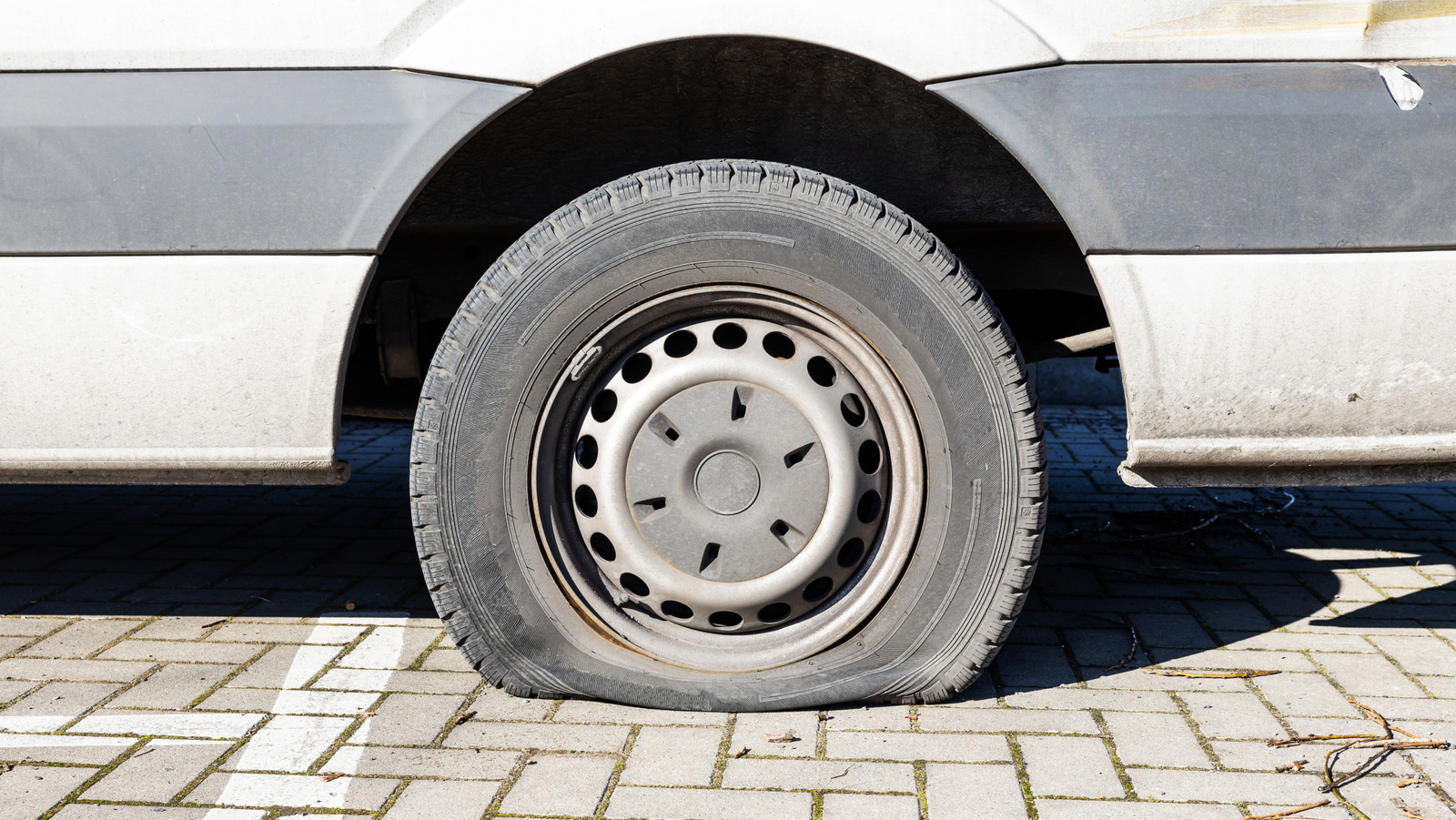
Tire Plugs vs. Patches: Understanding Your Repair Options
A flat tire is never fun, and understanding your repair options can save you time and money. you might be wondering whether a simple plug or a more involved patch is the right solution. Let’s break down the differences and help you make an informed decision.
What’s the Deal with Tire Repairs?
Essentially, tire repairs aim to seal punctures and restore air pressure. However, not all punctures are created equal, and different methods address varying degrees of damage. I’ve found that knowing these distinctions is key to a safe and lasting fix.
Tire Plugs: A Quick Fix
A tire plug is a quick and relatively inexpensive way to seal a small puncture. It involves inserting a rubber cord into the hole to block air leakage. This is a good temporary solution, especially if your on the road.
Here’s what you should know about plugs:
Speed: Thay offer a fast return to driving.
Cost: Plugs are generally the most affordable repair option.
Limitations: They aren’t considered a permanent fix,and are best suited for smaller punctures.
Tire Patches: A more Durable Solution
A tire patch is applied to the inside of the tire, covering the puncture from within. This method involves removing the tire from the wheel, preparing the inner liner, and bonding the patch using a special adhesive.
Here’s why patches are often preferred:
Longevity: Patches provide a more durable and long-lasting repair.
Security: They create a stronger seal, reducing the risk of future leaks.
Professional Request: Patches require specialized tools and expertise for proper installation.
The Best of Both worlds: Plug-Patch combinations
Some shops offer a hybrid repair - a plug-patch combination. This method utilizes a plug to seal the puncture from the outside and a patch on the inner liner. It aims to combine the speed of a plug with the durability of a patch.
Here’s what makes this a good option:
Combined Benefits: You get a quick seal and a more robust, lasting repair.
specific Criteria: This method is only suitable for certain punctures.
When Does a Plug-Patch Work?
For a plug-patch repair to be effective, the puncture must meet specific criteria. these include:
size: Less than a quarter of an inch in diameter.
Location: Within the central tread area, at least half an inch from the steel belt.
Condition: Free from overlapping previous repairs.
When is a Tire Replacement Necessary?
Unluckily, not all tire damage can be repaired. Here’s what necessitates a full tire replacement:
Sidewall Damage: Any puncture or damage to the sidewall is unsafe to repair.
Large Punctures: Holes too large to effectively seal.
Irregular Damage: Tears, cuts, or complex punctures.
* previous Repairs: Multiple or overlapping repairs can compromise the tire’s integrity.
Here’s what works best: repairs with a plug can get you back on the road fastest, but repairs with a patch (or plug-patch) will last the longest. Ultimately, prioritizing safety and a lasting repair is crucial. Don’t hesitate to consult a qualified tire professional to assess the damage and recommend the best course of action for your vehicle.