CDC Appoints Louisiana Surgeon General as Principal Deputy Director Amidst Controversy
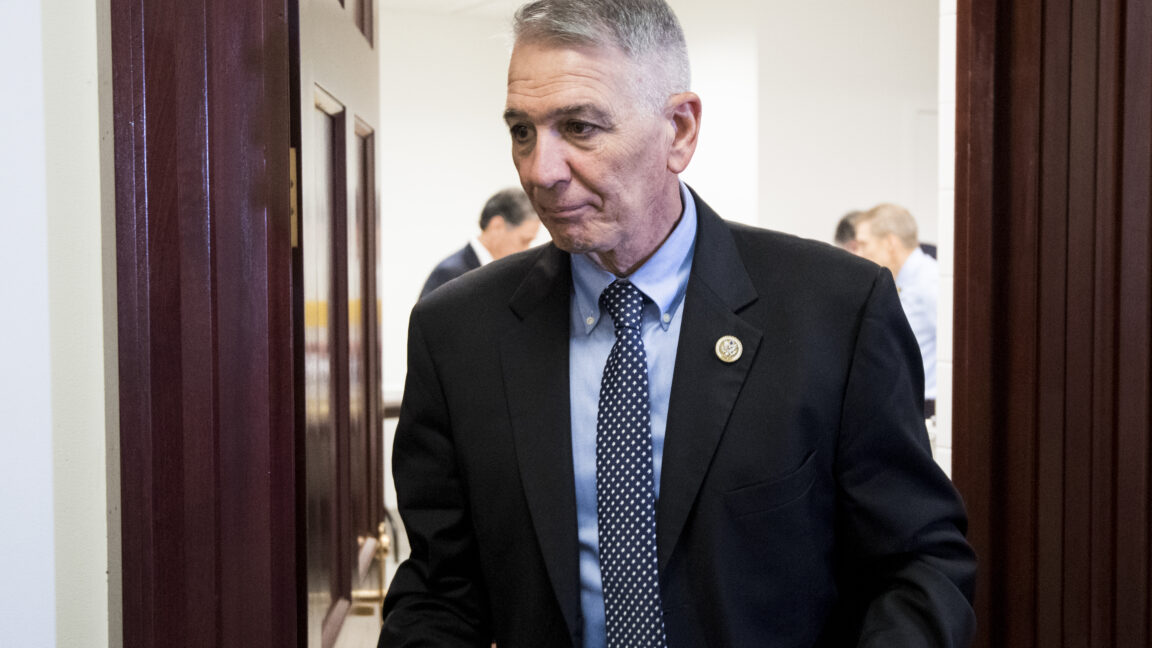
The Centers for Disease Control and Prevention (CDC) has appointed Louisiana Surgeon General Ralph Abraham as its new principal deputy director. This decision, made under the leadership of Health Secretary Robert F. Kennedy Jr., has sparked immediate and meaningful concern among public health experts. Many are voicing alarm, though some acknowledge the appointment could have been far more problematic.
Physician Jeremy Faust first reported the appointment, and it has since been confirmed by multiple news sources. Sources within the CDC indicated that while Abraham’s views are likely concerning, his experience leading a public health system offers a degree of qualification absent in other recent agency leadership choices.
However, Abraham’s tenure as Louisiana’s surgeon general has been marked by decisions that directly contradict established public health practices. His leadership has raised serious questions about his commitment to evidence-based medicine and proactive public health interventions.
A Troubling Record in Louisiana
Several key incidents during Abraham’s time in Louisiana demonstrate a pattern of questionable judgment and a disregard for established public health protocols. Consider these examples:
* Delayed Whooping Cough Response: The Louisiana health department, under Abraham’s direction, significantly delayed informing residents about a deadly whooping cough (pertussis) outbreak. This delay potentially contributed to increased illness and infant deaths.
* Anti-Vaccine Sentiment: Abraham has publicly expressed skepticism towards vaccines. He stated he “prefers natural immunity” over COVID-19 vaccination, a position unsupported by scientific consensus.
* Vaccination Campaign Halt: In February, Abraham ordered a halt to mass vaccination promotion within the state. This included seasonal campaigns for influenza and other preventable diseases, effectively limiting access to crucial preventative care.
These actions represent a departure from standard public health practice, which prioritizes rapid response to outbreaks and widespread vaccination to protect community health.
Implications for the CDC and Public Health
You may be wondering what this appointment means for the future of the CDC and public health initiatives.The selection of a leader with a demonstrated history of downplaying vaccine importance and delaying critical public health responses raises several concerns.
* Erosion of Trust: This decision could further erode public trust in the CDC, particularly among those already hesitant about vaccines or public health recommendations.
* policy Shifts: Abraham’s appointment may signal a shift in CDC policy away from proactive vaccination campaigns and towards approaches prioritizing “natural immunity,” despite the risks associated with this strategy.
* Impact on Future responses: His past actions suggest a potential reluctance to swiftly address future public health emergencies, potentially leading to preventable illness and death.
It’s crucial to remember that vaccines are among the most effective tools we have for preventing infectious diseases. Public health agencies like the CDC play a vital role in ensuring access to these life-saving interventions. The appointment of a leader with a history of undermining these efforts warrants careful scrutiny and ongoing vigilance.