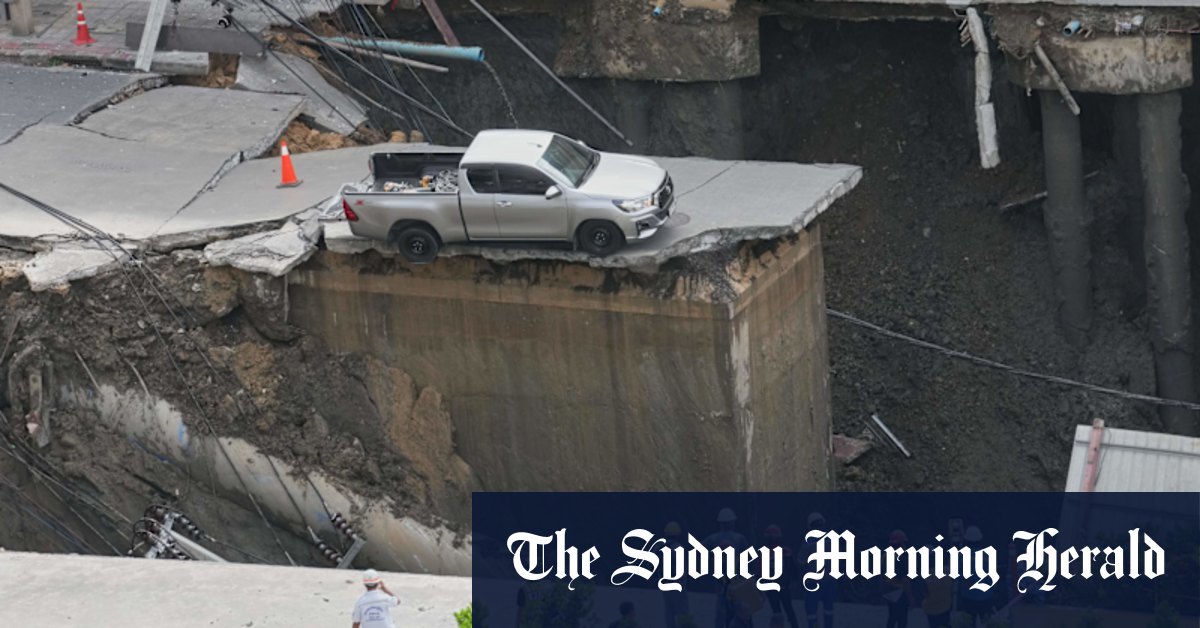
bangkok Sinkhole: A Deep Dive into Causes, Impacts, and Infrastructure Resilience
The dramatic collapse of a major Bangkok thoroughfare on September 24, 2025, creating a significant sinkhole, served as a stark reminder of the vulnerabilities inherent in urban infrastructure, notably during periods of rapid growth. This incident, occurring near Vajira Hospital on Samsen Road in the Dusit district, disrupted traffic, damaged utilities, and prompted evacuations, but thankfully resulted in no casualties. This article provides an in-depth analysis of the event, exploring the likely causes, immediate impacts, long-term implications, and crucial lessons for urban planning and infrastructure management. we’ll delve into the complexities of ground subsidence, construction-related risks, and the importance of proactive monitoring and mitigation strategies.
Understanding the Immediate impact & Response
The sinkhole, which initially appeared as a slow sinking of the road surface, quickly escalated, severing a four-lane road and bringing down electricity poles and damaging water pipes. Videos circulating online vividly captured the event, showcasing the alarming speed of the collapse. Three vehicles sustained damage, and authorities swiftly initiated evacuation procedures for nearby buildings, including the adjacent police station and Vajira Hospital.
Did You Know? Bangkok is built on a soft clay layer, making it particularly susceptible to ground subsidence. This natural phenomenon is exacerbated by groundwater extraction and the weight of extensive urban development.
Bangkok Governor Chadchart Sittipunt attributed the collapse to ongoing construction work for an underground railway station.Immediate actions taken included shutting down electricity and water supplies to the affected area to prevent further hazards. city officials are prioritizing repairs, acknowledging the heightened risk of additional damage due to the ongoing monsoon season. Vajira Hospital temporarily suspended outpatient services for two days as a precautionary measure, even though the hospital building itself remained structurally sound.
The Role of Underground Construction & Ground Instability
The primary suspect in this incident is the construction of an underground railway station. Large-scale underground projects inevitably alter the subsurface stress distribution, potentially leading to soil liquefaction or increased susceptibility to ground movement. Several factors contribute to this risk:
* Soil Composition: Bangkok’s geological foundation consists largely of soft marine clay, which has low bearing capacity and is prone to consolidation and subsidence.
* Groundwater Levels: Extensive groundwater extraction for urban use further weakens the soil structure, increasing the risk of ground settlement.
* Excavation techniques: The methods used for excavation, such as cut-and-cover or tunneling, can significantly impact surrounding soil stability. Improper shoring, inadequate dewatering, or insufficient ground betterment techniques can all contribute to instability.
* Vibration & Dynamic Loads: Construction activities generate vibrations that can propagate through the soil,potentially triggering localized failures.
Pro Tip: Before commencing any large-scale underground construction in areas with unstable ground conditions,a complete geotechnical inquiry is crucial. This should include detailed soil profiling, groundwater monitoring, and advanced modeling to predict potential ground movements.
recent research from the Asian Institute of Technology (AIT) highlights that bangkok has been sinking at an average rate of 1-3 cm per year over the past few decades, with some areas experiencing even faster rates of subsidence. This pre-existing condition significantly increases the vulnerability of infrastructure to sudden collapses. https://www.ait.ac.th/
Long-Term Implications & Infrastructure Resilience
The Bangkok sinkhole underscores the urgent need for a more holistic approach to urban planning and infrastructure development. Beyond the immediate repairs, several long-term considerations are critical:
* Enhanced Geotechnical Monitoring: Implementing a robust network of sensors to monitor ground movement, groundwater levels, and soil pressure in areas undergoing construction.
* Advanced Ground Improvement Techniques: Utilizing techniques such as deep soil mixing, jet grouting, or pre-consolidation to strengthen the soil foundation before construction begins.
* Revised Construction Protocols: Developing stricter regulations and guidelines for underground construction, emphasizing the importance of proper shoring, dewatering, and vibration control.
* Integrated Infrastructure Planning: Coordinating infrastructure projects to minimize cumulative impacts on ground stability. This includes considering the combined effects of railway construction, road building, and utility installations.
* Climate Change Adaptation: Addressing the increasing risk of extreme whether events, such as heavy rainfall, which can exacerbate ground instability and accelerate subsidence.
| Factor | Risk Level (1-5, 5=Highest) | Mitigation Strategy |
|---|