
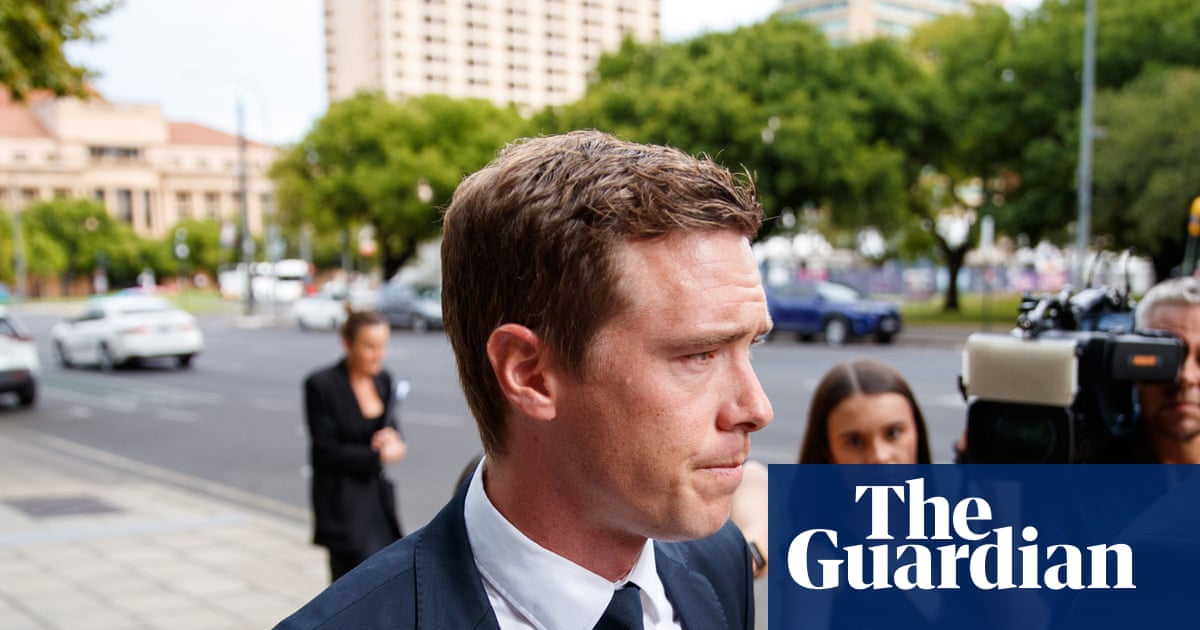
Olympic cyclist Rohan Dennis has broken his silence regarding the death of his wife, Melissa Hoskins, accusing the media of constructing a “false narrative” following the tragedy. In a series of social media posts, Dennis claimed that journalists sought to portray him as an abusive partner, a characterization he vehemently denies.
The dispute centers on the 2023 incident in which Dennis’s car fatally struck Hoskins. While the event has been the subject of intense public and media scrutiny, Dennis is now pushing back against the framing of the coverage, stating he never intended to cause harm to his wife.
Writing on Instagram late Monday night, the cyclist addressed the public directly, asserting that the media’s approach was designed to make him “look like the husband who abused his wife.” He further emphasized his personal convictions, stating, “I have ALWAYS been against any sort of abuse against women.”
This public defense comes as Dennis seeks to clear his name and challenge the perceptions created by reporting on the case. The tension between the athlete’s account of the event and the media’s interpretation has highlighted the complexities of reporting on high-profile tragedies involving public figures.
Addressing the ‘False Narrative’
Dennis has been vocal about the “clear twisting” of his words by various media outlets. He argues that the reporting did not accurately reflect the circumstances of the accident or his character, instead leaning into a narrative of domestic strife. By labeling the media’s portrayal as a “false narrative,” Dennis is attempting to shift the public conversation back to the accidental nature of the event.
In statements aimed at the Australian media, Dennis has maintained that Melissa Hoskins’ death was “an accident” via IDLprocycling.com. This insistence on the accidental nature of the crash stands in direct opposition to the “chilling” interpretations some media reports have suggested.
The cyclist’s frustration is evident in his accusations that journalists ignored the facts in favor of a more sensationalized story. By taking to Instagram, Dennis bypassed traditional press channels to speak directly to his followers and the global cycling community, hoping to correct the record regarding his relationship with Hoskins.
Legal Outcomes and Public Perception
The fallout from the tragedy has been compounded by the legal proceedings that followed. Reports indicate that Dennis avoided jail time following the incident via MSN. For some, this legal outcome reinforced the view that the event was a tragic accident. for others, it fueled the “false narrative” Dennis now claims to be fighting.
The intersection of professional sports, personal tragedy, and legal resolution often creates a vacuum that media outlets fill with speculation. In this case, Dennis believes that the vacuum was filled with unfounded claims of abuse. His insistence that he “never wanted to hurt” his wife is a direct response to these implications.
Key Points of the Dispute
- Dennis’s Position: The death of Melissa Hoskins was an accident; media reports of abuse are a “false narrative.”
- Media Portrayal: Certain reports suggested a more sinister context to the tragedy, which Dennis claims twisted his words.
- Legal Status: Dennis did not face imprisonment following the 2023 incident.
- Public Statement: Dennis used social media to explicitly state his lifelong opposition to abuse against women.
The Impact on the Cycling Community
Both Rohan Dennis and Melissa Hoskins were prominent figures in the world of professional cycling. The loss of Hoskins was a significant blow to the sport, and the subsequent controversy surrounding the cause of her death has kept the tragedy in the spotlight long after the initial event.

For Dennis, the struggle is now twofold: grieving the loss of his wife and battling a public image he believes has been unfairly tarnished. The “clear twisting” of words he describes suggests a breakdown in communication between the athlete and the journalists covering the story via cyclinguptodate.com.
As the story continues to evolve, the focus remains on the tension between private grief and public accountability. Dennis’s decision to lash out at journalists reflects a desire to reclaim his identity from the “husband who abused his wife” trope that he claims the media attempted to impose upon him.
While no further court dates have been announced, Dennis’s public statements mark a definitive attempt to close the chapter on the “false narrative” and establish a record of his innocence regarding any intentional harm or abuse.
We encourage our readers to share their thoughts on the balance between media reporting and personal privacy in the comments below.