
Unearthing a Roman Battlefield: Mass Grave Reveals Brutality of the Third century Crisis
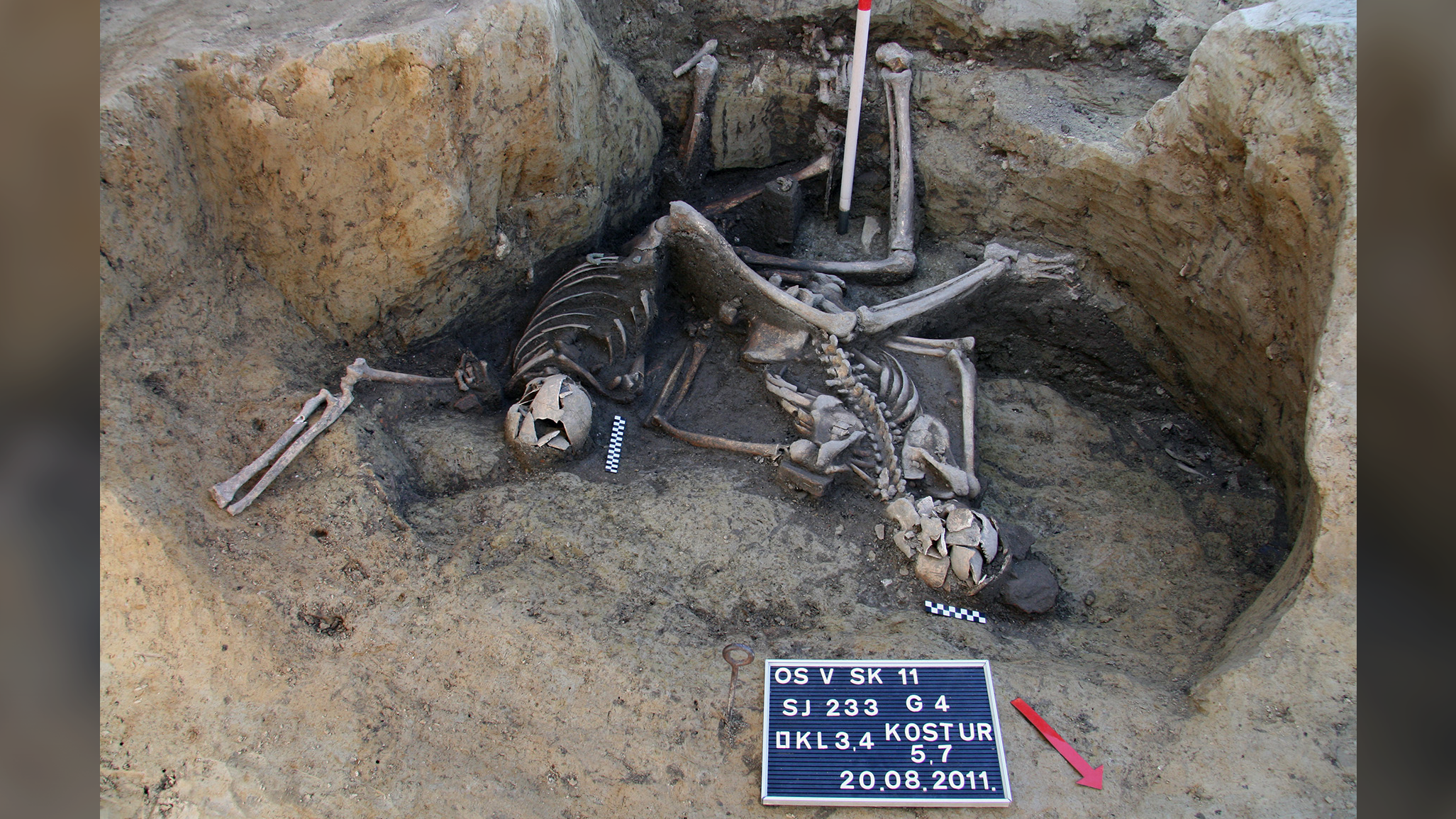
The sands of time have yielded a chilling discovery in modern-day Croatia: a mass grave linked to a pivotal, yet brutal, clash in Roman history. Archaeological investigations at Mursa (present-day Osijek) have uncovered the remains of dozens of soldiers, likely victims of the Battle of Mursa fought in A.D. 260.This finding offers a stark glimpse into the chaos and violence that defined the Crisis of the Third Century, a period of intense civil war and political instability within the Roman Empire.
A Violent Struggle for Power
During the crisis of the Third Century (A.D. 235 to 284), numerous contenders vied for control of the vast roman territories. The Battle of Mursa pitted Emperor Gallienus against Ingenuus, a Roman military commander who dared to challenge Gallienus’ authority. Historical accounts suggest Gallienus displayed little mercy towards those who opposed him, and the newly discovered well appears to hold evidence of that ruthlessness.
Researchers believe the individuals found within the well were likely supporters of Ingenuus,executed following their defeat. This interpretation aligns with historical records detailing Gallienus’ harsh treatment of the defeated army.
DNA Reveals a Diverse Roman Army
Further scientific analysis of the skeletal remains has provided fascinating insights into the composition of the Roman military. DNA testing revealed “high genetic diversity” among the individuals, a finding that corroborates historical understanding of Late Roman armies.
These forces weren’t solely comprised of Roman citizens. They frequently incorporated soldiers from diverse ethnic backgrounds, including Sarmatians, Saxons, and Gauls. This diversity underscores the expansive reach and multicultural nature of the Roman Empire, even during times of internal conflict.
What the Remains Tell Us
The sheer number of individuals discovered in the well, combined with the evidence of violent trauma, strongly suggests a mass execution following the battle. You can imagine the scene: soldiers, defeated and likely disarmed, thrown into the well as a display of power and a warning to others.
This discovery isn’t just about identifying a battlefield. It’s about understanding the human cost of political instability and the brutal realities faced by those who lived through this tumultuous period.
Implications for Understanding Roman History
Experts in bioarchaeology emphasize the significance of this find.It provides concrete evidence of the direct and violent consequences of the Crisis of the Third Century. this research illuminates how this instability impacted populations within the provinces and along the Roman frontiers.
Ongoing investigations are focused on a second, similar mass burial site discovered in another well at Mursa. researchers presume this site also contains the remains of soldiers who perished during the Battle of Mursa in A.D. 260. These continued efforts promise to further refine our understanding of this critical moment in roman history.
Key Takeaways:
* The mass grave at Mursa provides compelling evidence of the brutality of the Battle of Mursa in A.D. 260.
* DNA analysis confirms the diverse ethnic composition of the Roman army during the Third century crisis.
* This discovery highlights the human cost of political instability within the Roman Empire.
* Further research at a second burial site promises to reveal even more about this pivotal battle and its aftermath.
This archaeological work isn’t just about uncovering the past; it’s about connecting with the individuals who lived through it and understanding the forces that shaped their world. It’s a powerful reminder that history is not just a collection of dates and names, but a story of human experiences, struggles, and resilience.





