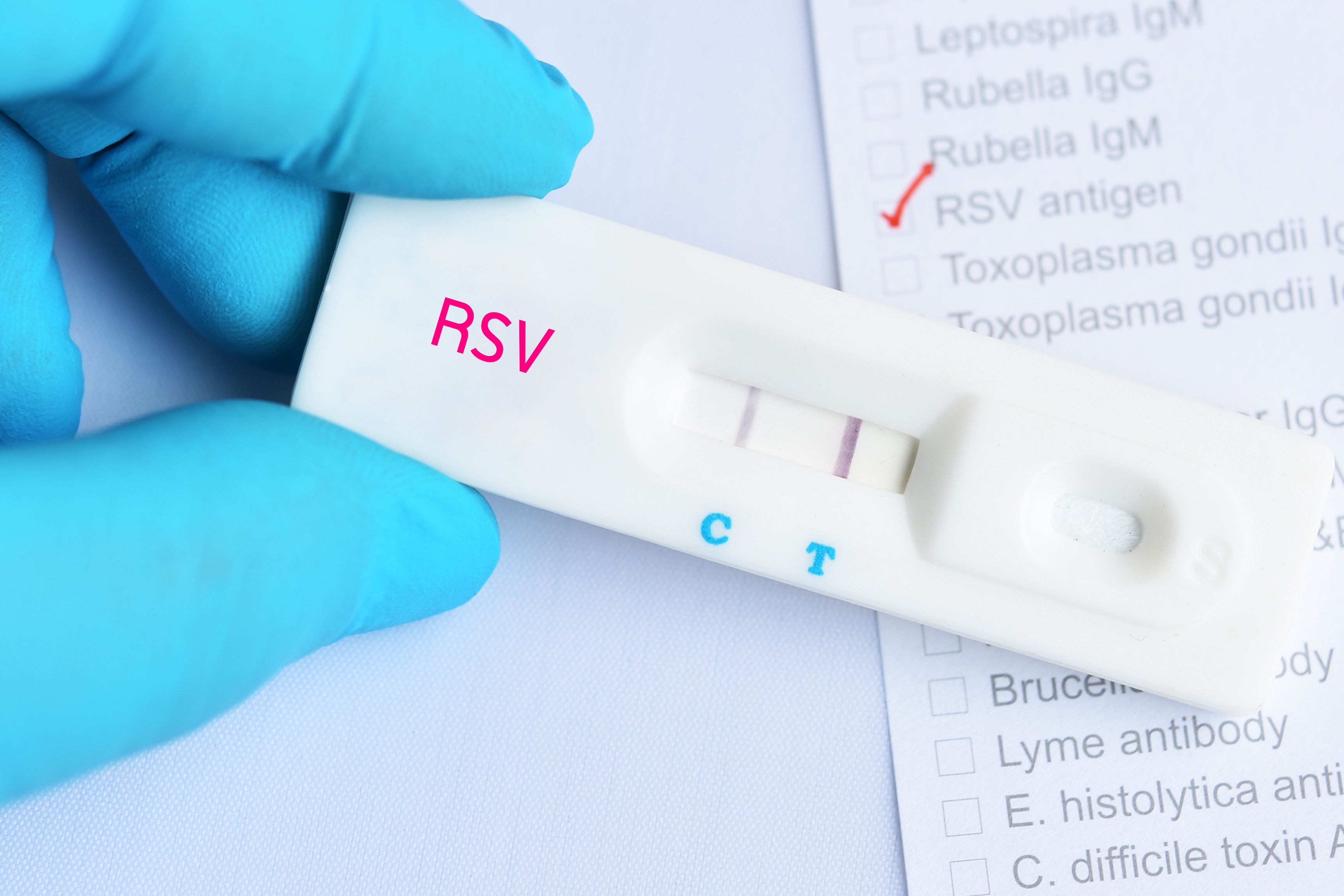
Navigating RSV in Long-Term Care: Lessons from a recent outbreak & New Vaccine Guidance
Respiratory Syncytial Virus (RSV) is a common respiratory virus, but it can pose a notable threat to vulnerable populations, particularly those residing in long-term care facilities. Historically, managing RSV outbreaks relied heavily on stringent infection control. Now, with the advent of adult RSV vaccines, we have a new tool in our arsenal. This article will delve into a recent outbreak inquiry, explore current recommendations, and provide practical strategies for protecting your residents.
Understanding the Rising Concern of RSV in Adults
For years, RSV was primarily considered a pediatric illness. However, we now recognize that RSV can cause severe illness in older adults, leading to bronchiolitis and pneumonia, and even hospitalization or, tragically, fatal outcomes.2 The impact is particularly pronounced in those with underlying health conditions.
Currently, the Centers for Disease Control and Prevention (CDC) recommends a single dose of an FDA-approved RSV vaccine for all adults 75 years and older. Moreover, individuals aged 60-74 who are at increased risk of severe illness should also consider vaccination.3 This is a significant step forward in protecting our aging population.
Before 2023, without a vaccine, infection control was the primary defense. This meant meticulous adherence to protocols like personal protective equipment (PPE), rigorous hand hygiene, isolation of infected individuals, and thorough disinfection of surfaces.1
A Real-World Look: RSV Outbreak in a Memory Care Unit
Researchers recently analyzed an RSV outbreak that occurred in a 230-bed long-term care facility in 2022. Their goal? To identify effective strategies that other facilities can implement to prevent and manage similar situations.1
The outbreak was concentrated in a 30-bed unit dedicated to male residents with cognitive impairment or dementia. Thes residents had unrestricted movement within the unit, but sadly, limited understanding of preventative measures like hand hygiene.
Outbreak Details & Resident Impact
The outbreak lasted 21 days,resulting in 20 confirmed RSV cases among 29 residents on the affected unit. Here’s a breakdown of the impact:
8 residents were asymptomatic: They carried the virus without showing symptoms.
12 residents experienced respiratory symptoms: These ranged in severity.
2 residents required hospitalization:
One was admitted with pneumonia and discharged after 6 days.
The second was hospitalized for 4 days following a fall, presenting with malaise, wheezing, and hypoxia.
One resident died: A mildly symptomatic resident passed away from a stroke 23 days post-diagnosis. The connection between the RSV infection and the stroke remains unclear.
Interestingly, a case-control study to pinpoint specific risk factors for infection yielded no significant findings. This likely stems from the relatively small sample size.1
Proactive Strategies for RSV Mitigation
While vaccination is now a key component, a multi-faceted approach remains crucial. Here’s what the study authors recommend, and what you can implement in your facility:
Rapid RSV Testing: Early detection is paramount. Utilize rapid tests to quickly identify positive cases and initiate appropriate measures.
Enhanced Cleaning & Disinfection: Increase the frequency and thoroughness of cleaning, focusing on high-touch surfaces.
Reinforced Hand Hygiene: Continue to emphasize hand hygiene for both staff and residents (with assistance for those who require it).
Single Room Isolation: Isolate residents who test positive for RSV in single rooms whenever possible to limit transmission.
* Vaccination Promotion: Actively encourage and facilitate RSV vaccination for eligible residents and staff. educate residents and their families about the benefits.
Looking Ahead: Building a Stronger Defense
the introduction of RSV vaccines represents a major advancement in protecting vulnerable adults. However, it’s not a silver bullet. Combining vaccination with robust infection control practices is the most effective strategy.
By learning from outbreaks like the one analyzed, and staying informed about the latest recommendations, you can considerably reduce the risk of RSV and safeguard the health of your residents.REFERENCES
- Ritter AS, Manderville D, Netardus L, Vittor AY. Management of a respiratory syncytial virus outbreak in a