
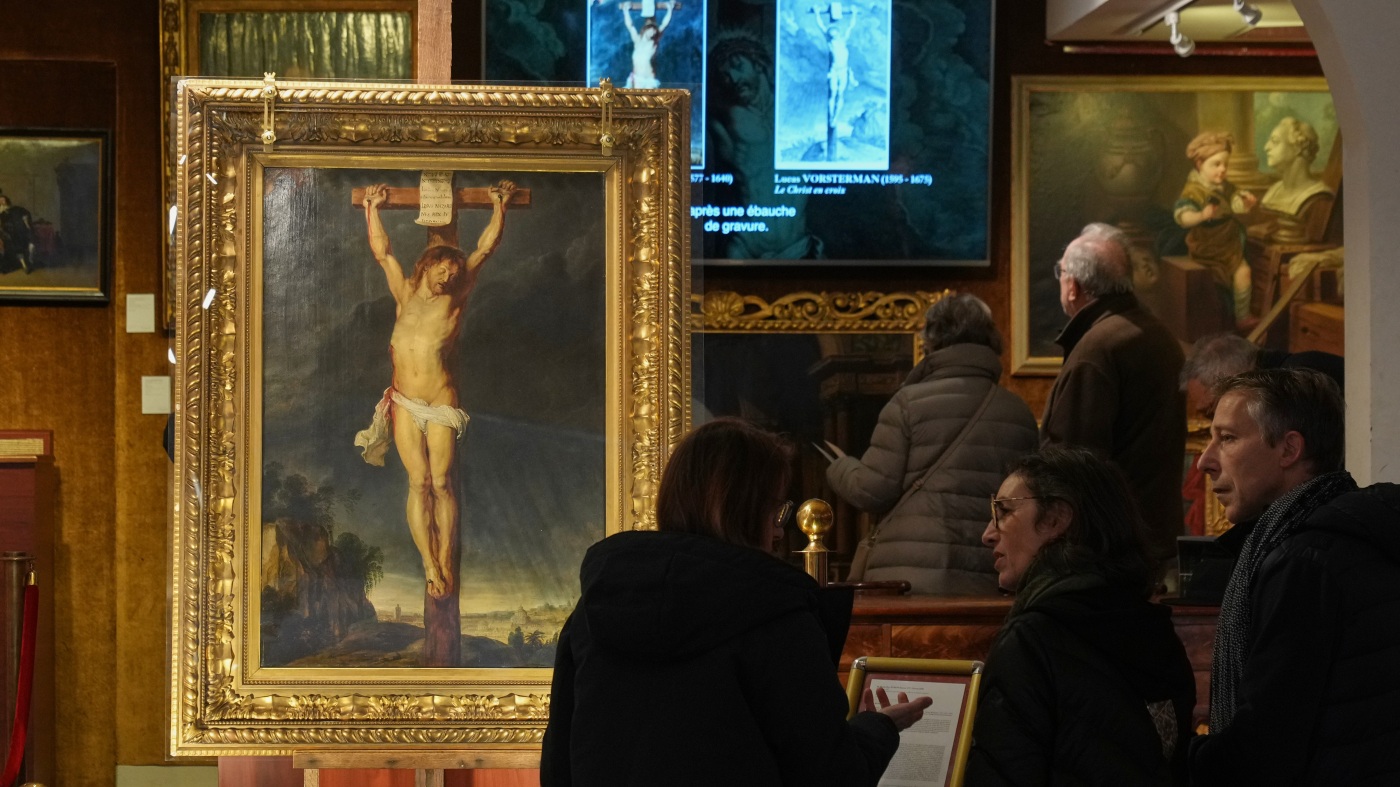
Lost Rubens masterpiece Rediscovered in Parisian Mansion
A remarkable revelation has shaken the art world: a previously unknown painting by the celebrated Baroque master, Peter Paul Rubens, was recently unearthed in a private Parisian mansion. the artwork, a testament to Rubens’ skill and artistry, was initially dismissed as a workshop piece, but meticulous analysis has revealed its true origins.
A Fortuitous Find
The story begins with Jean-Pierre Osenat, a French auctioneer who stumbled upon the painting while appraising the contents of a Parisian home. Initially, he suspected the work originated from one of Rubens’ bustling workshops. Rubens famously operated a large studio, collaborating with assistants on numerous projects.
However, Osenat harbored a persistent feeling that this particular piece was exceptional. He embarked on a dedicated quest for authentication,determined to uncover the painting’s true history.
The Road to Authentication
Osenat’s pursuit led him to the Centrum Rubenianum, the leading Rubens research center in Antwerp, Belgium. There,the painting underwent rigorous scientific scrutiny.
German art historian and Rubens expert, Nils Büttner, spearheaded the analysis. He confirmed the painting’s authenticity, delivering the exciting news to Osenat. “Jean-pierre,we have a new Rubens!” Büttner reportedly exclaimed.
unveiling the Details
The authentication process involved a microscopic examination of the paint layers. This revealed the presence of distinctive blue and green pigments – hallmarks of Rubens’ unique approach to rendering human skin. These subtle details proved crucial in establishing the painting’s provenance.
Interestingly, the painting’s last known owner was William bouguereau, a prominent 19th-century French academic painter. It remained within his family’s collection for generations, quietly awaiting rediscovery.
Rubens and the Flemish Baroque
Peter Paul Rubens,born in 1577,stands as a towering figure in the history of art.He is widely regarded as the master of the Flemish Baroque tradition. This influential style, flourishing in the 17th century, is characterized by:
* Dramatic lighting
* Lifelike realism
* Intricate detail
* Dynamic compositions
Rubens’ works are celebrated for their vibrant energy, emotional depth, and technical brilliance. This newly discovered painting is a welcome addition to his already remarkable legacy.
What This Means for You
Discoveries like this remind us that the art world still holds secrets. They highlight the importance of careful observation, diligent research, and expert analysis. You can appreciate the enduring power of art and the thrill of uncovering hidden treasures. This painting will soon be available for public viewing, offering a rare prospect to experience the genius of Rubens firsthand.





