
Russia Confirms Continued Oil Trade with India Despite U.S. Pressure
Despite claims from former U.S. President Donald Trump regarding assurances from India to halt Russian oil purchases, Russia is reaffirming its commitment to ongoing energy cooperation with New Delhi. This comes as India continues to navigate a complex global energy landscape, prioritizing its national interests.
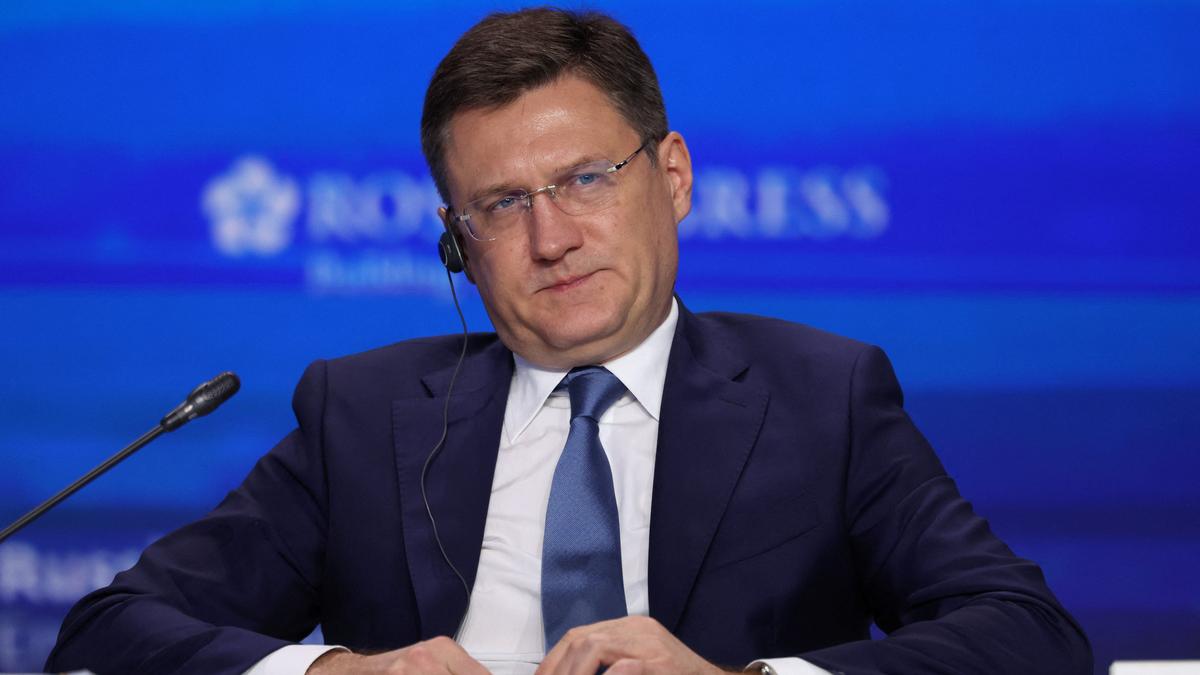
Deputy Prime Minister Alexander Novak, overseeing Russia’s energy sector, stated on Thursday that cooperation will “continue” with partners. He emphasized the economic viability of Russian energy resources and expressed confidence in continued collaboration.
This response directly addresses Trump’s assertion that Prime Minister Narendra Modi had pledged to cease buying Russian crude,potentially starting immediately.While Trump suggested a process had begun, Russian officials are signaling buisness as usual.
India’s Position: Diversification and National Interest
India has officially responded to Trump’s claims by stating it is actively ”broad-basing and diversifying” its energy sourcing. This strategy aims to meet evolving market conditions and is firmly rooted in the country’s national interest.
You’ll recall that India has considerably increased its reliance on Russian oil since February 2022, following Russia’s invasion of Ukraine. Western sanctions and reduced demand from Europe created an prospect to secure oil at discounted rates – a crucial factor for a rapidly growing economy like India’s.
* Historically: India primarily sourced oil from the Middle East.
* Post-2022: Russian oil became a major component of India’s energy mix, offering economic advantages.
* Currently: Russia accounts for approximately 36.4% of India’s total crude oil imports (based on the first seven months of 2025 data). This equates to 87.5 million tonnes.
Payment Dynamics: Rubles and Yuan
Interestingly, Russia has revealed that India is primarily settling payments for oil in Russian rubles. Though, a shift is underway, with increasing transactions now being conducted in Chinese yuan. This diversification in payment methods reflects a broader trend of de-dollarization among key global players.
Addressing Trade Imbalance
The robust trade relationship isn’t without its challenges.Russian President Vladimir Putin recently acknowledged a trade imbalance with India and has directed his government to explore measures to rectify it. This suggests a proactive approach to ensuring a mutually beneficial economic partnership.
Why This Matters to You
This situation highlights several key takeaways:
- Energy Security: India is prioritizing its energy security and affordability, even amidst geopolitical pressures.
- Strategic Autonomy: New Delhi is demonstrating a commitment to self-reliant decision-making, refusing to be dictated to by external powers.
- Shifting Global Order: The increasing use of rubles and yuan in international trade signals a potential shift in the global financial landscape.
- Geopolitical Implications: The continued Russia-India energy partnership has implications for Western efforts to isolate Russia economically.
As you consider the evolving global energy market, understanding these dynamics is crucial. India’s approach serves as a case study in balancing economic needs with geopolitical realities. The situation will undoubtedly continue to unfold,requiring ongoing monitoring and analysis.
Published – October 17, 2025 02:03 am IST


