
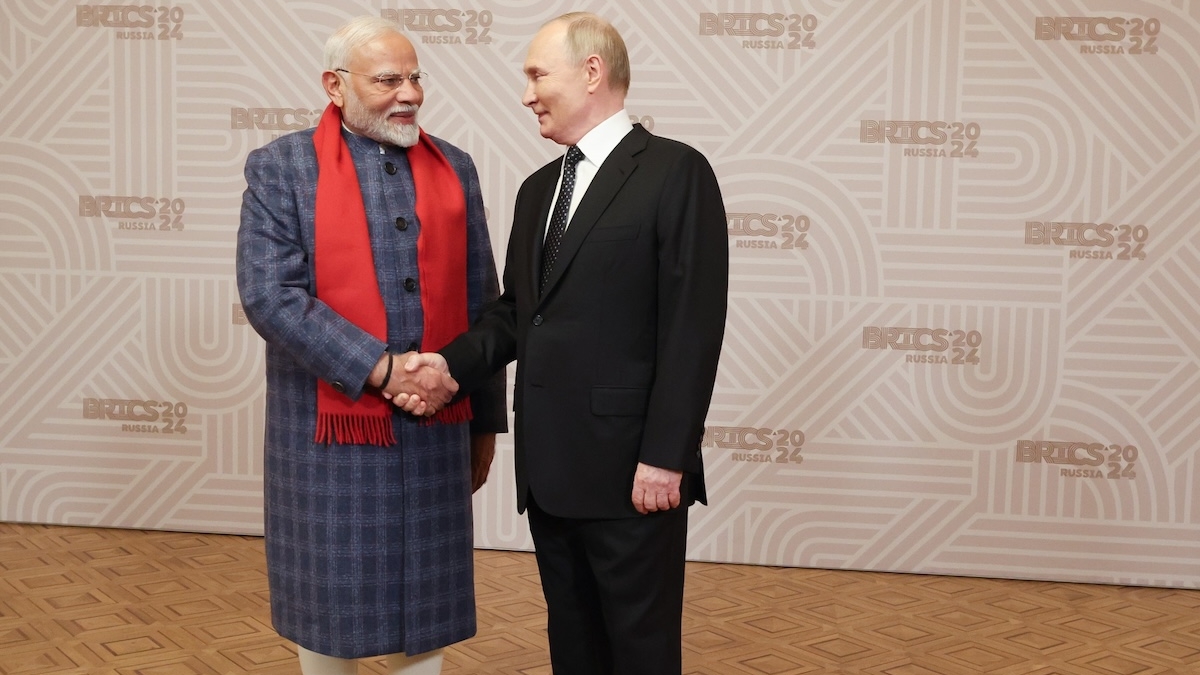
The Enduring Russia-India Partnership: Navigating a Shifting Global Landscape
For decades, Russia and India have maintained a strong strategic partnership. Despite growing Western efforts to recalibrate relationships in light of the Ukraine conflict, this bond demonstrates remarkable resilience. This analysis, drawing on deep expertise in Russian and Indian affairs, explores the current state of this partnership, its likely trajectory, and the implications for U.S. policy.
A Historical Foundation & Current Realities
The relationship isn’t simply transactional; it’s rooted in a shared worldview. Both Moscow and new delhi embrace a multipolar international order, viewing it as a more equitable and stable system than a unipolar one dominated by the United States. This “civilizational framing” provides a comfortable ideological alignment.
However,the partnership is evolving. The war in Ukraine has undeniably reshaped the dynamics, shifting the focus towards increased economic collaboration. While military ties remain critically important, they are unlikely to pose a direct challenge to U.S. interests in the foreseeable future.
The State of Military-Technical cooperation
Historically, Russia has been India’s primary arms supplier. But this is changing.
Decline in Cooperation: Military-technical cooperation is gradually decreasing. This is due to a combination of factors, including Western sanctions, india’s diversification of arms sources, and logistical challenges.
Limited Military Exercises: Bilateral military exercises are becoming less frequent and more basic in scope. Expect a focus on established routines rather than complex, cutting-edge training. Symbolism Over Substance: The symbolic value of the military relationship – demonstrating strategic autonomy – may now outweigh concrete achievements in technology transfer or joint development.
Economic Ties: A Growing Resilience
U.S. sanctions, intended to isolate Russia, have paradoxically strengthened its economic ties with India. Indian firms, while cautious about triggering secondary sanctions, are actively exploring opportunities.
Increased Trade: trade volume is rising, particularly in energy, fertilizers, and other essential commodities. India is securing discounted Russian oil, bolstering its energy security.
Trade Deal Negotiations: Further expansion hinges on finalizing trade agreements that offer more favorable terms for Indian exporters.
Investment Barriers: A lack of a formal investment treaty remains a notable obstacle. both nations face infrastructure investment gaps that hinder deeper economic integration.
Implications for U.S. policy
Washington’s approach to this partnership requires a nuanced understanding of the underlying realities. Attempting to dismantle the relationship is both unrealistic and counterproductive. Accept the Enduring Bond: Recognize that the Russia-India partnership is deeply ingrained and unlikely to be easily influenced by external pressures.
Focus on Strategic Alignment: Prioritize areas of convergence with India, such as shared concerns about regional stability and counterterrorism.
Avoid Coercive Measures: Refrain from policies that pressure India to choose sides, as this will likely backfire and push New Delhi closer to Moscow.
Embrace a Long-Term Viewpoint: Navigate the complex Eurasian geopolitical landscape with clarity and consistency, acknowledging the limits of U.S. leverage.
The Path Forward
The Russia-India partnership is not static. It will continue to adapt to evolving geopolitical circumstances. However, its basic drivers – a shared vision of a multipolar world, mutual economic benefits, and a long history of trust – suggest it will remain a significant feature of the international order for years to come. A pragmatic and understanding U.S. policy is crucial for navigating this complex dynamic effectively.
About the Authors:
Dmitry Gorenburg, PhD: Senior Research Scientist at CNA, editor of Problems of Post-Communism, and Associate at Harvard University’s Davis Center. Expertise in Russian military affairs and foreign policy.
Julian G. Waller, PhD: Research Analyst at CNA and Professorial Lecturer at George Washington University. Specializes in Russian political-military affairs and authoritarian politics.
Jeffrey Edmonds: Senior Research Scientist at CNA, former Director for Russia on the National Security Council. Extensive experience in Eurasian security and intelligence.
Jeff Kucik, PhD: Research Scientist at CNA and Fellow at the Wahba Institute. Expertise in global markets, economic security, and international political economy.Image Source: Government of India Press Facts Bureau ([https://www.pib.gov.in/PMContents/PMVisitRelaese.aspx?VID=3062](https://www.pib.gov.in


![Remembering [Activist’s Name]: A Hungarian Hero’s Legacy
or
[Activist’s Name]: Honoring a Champion of Hungarian Freedom
or
Hungarian Activist [Activist’s Name] – Life, Work & Remembrance](https://i0.wp.com/www.hrw.org/sites/default/files/styles/opengraph/public/media_2025/12/202512eca_hungary_Gyula%20Balog.jpg?resize=330%2C220&ssl=1 "Remembering [Activist’s Name]: A Hungarian Hero’s Legacy
or
[Activist’s Name]: Honoring a Champion of Hungarian Freedom
or
Hungarian Activist [Activist’s Name] – Life, Work & Remembrance")


