
Russia’s Evolving Missile Tactics: How Maneuvering ballistic Missiles Are Challenging Ukrainian Air defenses
Recent reports indicate a significant shift in Russia’s ballistic missile strategy, posing a growing challenge to Ukraine’s air defense capabilities – including the highly-regarded U.S.-supplied Patriot systems. This isn’t simply a matter of increased volume; it’s about how these missiles are being deployed. Understanding these changes is crucial for assessing the evolving dynamics of the conflict adn the future of air defense technology.
The New Threat: Maneuvering Ballistic Missiles
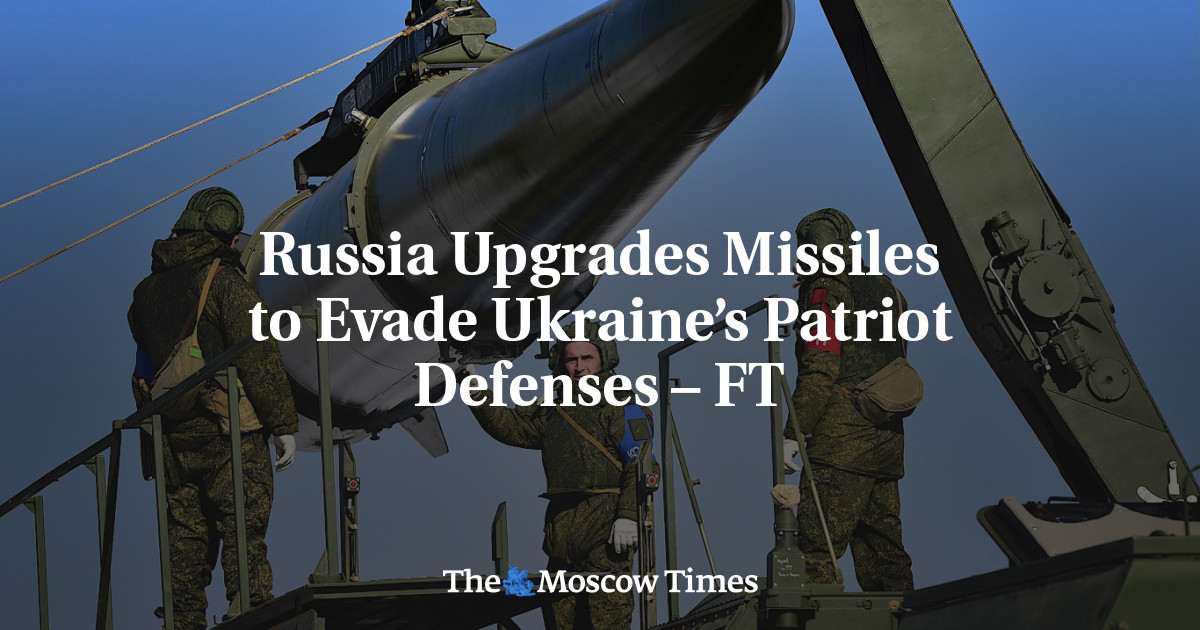
For months, Ukrainian officials have emphasized the critical need for more advanced air defense systems like the Patriot. Now, Russia appears to be directly countering these defenses through modifications to existing missile technology. The Financial Times recently reported that both the Iskander-M short-range ballistic missile and the air-launched kinzhal are now capable of maneuvering in flight.
Instead of following predictable ballistic trajectories,these missiles are now exhibiting erratic behavior near their targets. They’re diving steeply and executing sharp turns, specifically designed to “confuse and avoid” Patriot interceptors. one Ukrainian official described this as a “game-changer” for Russia, and the data supports that assessment.
Declining Interception Rates: Evidence of a Tactical Shift
The effectiveness of Ukraine’s Patriot systems has demonstrably decreased. Ukrainian Air Force data, analyzed by the Center for Data Resilience, reveals a stark decline in interception rates:
* August: 37% interception rate
* September: A dramatic drop to just 6%
This occurred despite a reduction in the number of Russian missile launches during September. A U.S. Defense Intelligence agency report corroborates these findings, attributing the struggle to “recent Russian tactical improvements.” The report specifically highlights enhancements enabling missiles to change trajectory and perform maneuvers, moving away from traditional ballistic flight paths.
Consider these specific instances:
* June 28: Only one of seven missiles was intercepted.
* July 9: Six of thirteen missiles successfully struck their targets.
* Recent Events: On a single day in October, all four Iskander missiles launched evaded Patriot defenses.
These statistics paint a clear picture: Russia’s evolving tactics are having a tangible impact on the battlefield.
What’s Behind the Change? Understanding the Technical Adaptations
While the specifics of the modifications remain largely undisclosed, the core principle is clear. Russia is employing techniques to make its missiles less predictable. This likely involves:
* Advanced Guidance Systems: implementing more elegant guidance systems capable of real-time course correction.
* Aerodynamic Control Surfaces: Utilizing enhanced aerodynamic control surfaces to allow for greater maneuverability during flight.
* ECM (Electronic Countermeasures): Employing electronic countermeasures to disrupt or jam radar tracking.
These changes aren’t simply about speed or power; they’re about deception. By making the missile’s flight path unpredictable,Russia is forcing Ukrainian air defenses to expend resources on targets that are harder to hit.
Impact on Key Infrastructure and Ongoing Concerns
The consequences of these improved Russian tactics are already being felt. Current and former Ukrainian officials report that at least four drone manufacturing plants in and around Kyiv have been hit this summer.
A particularly concerning strike on August 28 targeted a facility developing components for Turkish Bayraktar drones, also damaging nearby offices of the European Union and the British Council. This demonstrates the potential for these attacks to impact not only military capabilities but also international presence and infrastructure.
What Does This Mean for the Future of Air Defense?
Russia’s adaptation highlights a critical lesson: air defense is an ongoing arms race.As defensive systems become more sophisticated, offensive capabilities will inevitably evolve to counter them. This situation necessitates:
* Continuous innovation: Investment in research and development of new air defense technologies capable of tracking and intercepting maneuvering targets.
* Adaptive Strategies: Development of flexible and adaptable air defense strategies that can respond to evolving threats.
* International Cooperation: Continued collaboration between nations to share intelligence and develop effective countermeasures.
Evergreen Section: The Enduring Challenge of Ballistic Missile Defense
The challenge of defending against ballistic missiles isn’t new. Throughout the Cold War, both the United States and the Soviet Union invested heavily in developing systems to intercept incoming warheads. However, the inherent difficulty lies in the speed and trajectory of these weapons.
Traditional ballistic missile defense relies on detecting a launch


