
The Silent Victims of Conflict: Repatriating Ukrainian Children – A Deep Dive
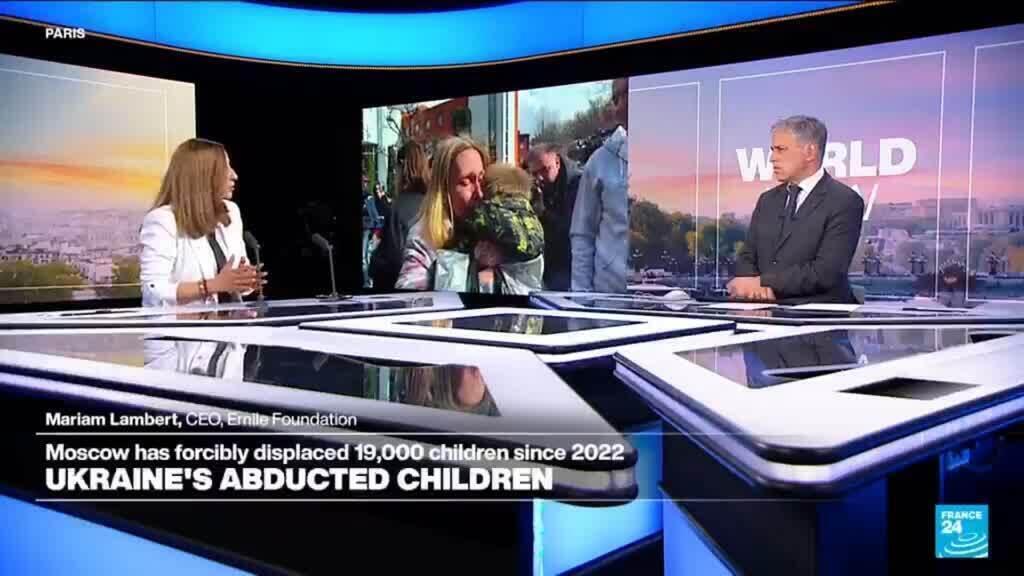
The escalating humanitarian crisis in Ukraine,triggered by the Russian invasion,extends far beyond visible battlefield damage.A especially harrowing and often overlooked result is the systematic removal and deportation of Ukrainian children to Russian territory - a practice increasingly recognized as a purposeful tactic of war.As of September 26,2025,the full scope of this displacement remains unclear,but recent reports from the United Nations Human Rights Monitoring Mission in Ukraine (UNHRMMU) estimate that at least 19,546 children have been deported,with the actual number potentially considerably higher. This article delves into the efforts to identify, repatriate, and reintegrate these vulnerable minors, focusing on the crucial work of organizations like the Emile Foundation and the complex challenges they face.
The Scale of forced Displacement and its Legal Implications
The forced transfer of children from one country to another during armed conflict is a grave violation of international humanitarian law, specifically outlined in the Fourth Geneva Convention. it’s considered a war crime under the Rome Statute of the International Criminal Court (ICC). President Zelenskyy’s recent address to the United Nations, delivered on September 24, 2025, served as a stark reminder of the urgency of this issue, bringing renewed global attention to Russia’s actions. The deliberate disruption of families and the imposition of Russian citizenship on Ukrainian children are viewed as attempts to erase Ukrainian identity and future generations.
Providing a better future for vulnerable children across the globe
is the guiding principle behind organizations dedicated to addressing this crisis.
The situation is further complicated by the lack of comprehensive data and access to occupied territories. Obtaining accurate figures and verifying the identities of deported children is a monumental task. Furthermore, the psychological trauma experienced by these children, separated from their families and placed in unfamiliar environments, presents long-term challenges to their well-being and growth.
Emile Foundation: A Frontline Response to a Humanitarian Crisis
Founded in 2011 as an international charitable association, the Emile Foundation has strategically adapted its mission in 2023 to directly address the escalating crisis in Ukraine. Initially focused on broader child welfare initiatives,the organization now concentrates its resources on the repatriation and reintegration of Ukrainian minors forcibly removed to russia. mariam Lambert, Co-Founder and CEO of the Emile Foundation, has dedicated her career to this cause, leading a team working tirelessly to locate and support these children.
The Foundation’s work encompasses several key areas:
* Identification and verification: Collaborating with Ukrainian authorities, international organizations, and local networks to identify deported children and verify their identities. This often involves painstaking inquiry and cross-referencing of data.
* Legal Assistance: Providing legal support to families seeking to locate and regain custody of their children, navigating the complex legal landscape of international law and Russian jurisdiction.
* Repatriation Efforts: Facilitating the safe return of children to Ukraine, coordinating with relevant authorities and ensuring their safe passage.
* Reintegration Programs: Offering comprehensive reintegration programs, including psychological support, educational assistance, and social services, to help children rebuild their lives and overcome the trauma of displacement.
“Providing a better future for vulnerable children across the globe” is not merely a slogan, but the driving force behind our every action. Our current focus on Ukraine reflects the urgent need to address one of the most devastating and least visible aspects of this conflict.
The Emile Foundation’s approach is holistic,recognizing that repatriation is only the first step in a long and challenging journey. They understand that triumphant reintegration requires addressing the complex emotional, psychological, and social needs of each child.
Challenges and Future Directions in Child Repatriation
Despite the dedicated efforts of organizations like the Emile Foundation, numerous obstacles hinder the repatriation process. These include:
* Limited Access: Restricted access to occupied territories and Russian-controlled areas makes it difficult to locate and verify the identities of deported children.
* Political Obstacles:





![The Odyssey Trailer: First Look & Breakdown | [Year] Release Date](https://i0.wp.com/spotlightreport.net/wp-content/uploads/2025/12/the-odyssey.jpg?resize=150%2C100&ssl=1 "The Odyssey Trailer: First Look & Breakdown | [Year] Release Date")

